Gai Jatra
Festival
Author
Kapil Sainju
Published
21 Jun, 2026
Saparu began under King Pratap Malla in Kathmandu in 1671 after his son's death.
This article covers the Malla era origin of the festival, from the reign of Jayasthiti Malla in the 14th century through its established form under Pratap Malla in the 17th century. It focuses on Kathmandu, Bhaktapur, Patan, Banepa, Panauti etc, the ancient cities/towns where the Newa community marks the day.
The account draws on the Pratap Malla inscription at Rani Pokhari dated Nepal Sambat 790 (1670 CE), the Gopalrajbamsawali chronicle, and recorded Newa oral tradition. Where sources disagree on origin, that disagreement is stated rather than resolved.
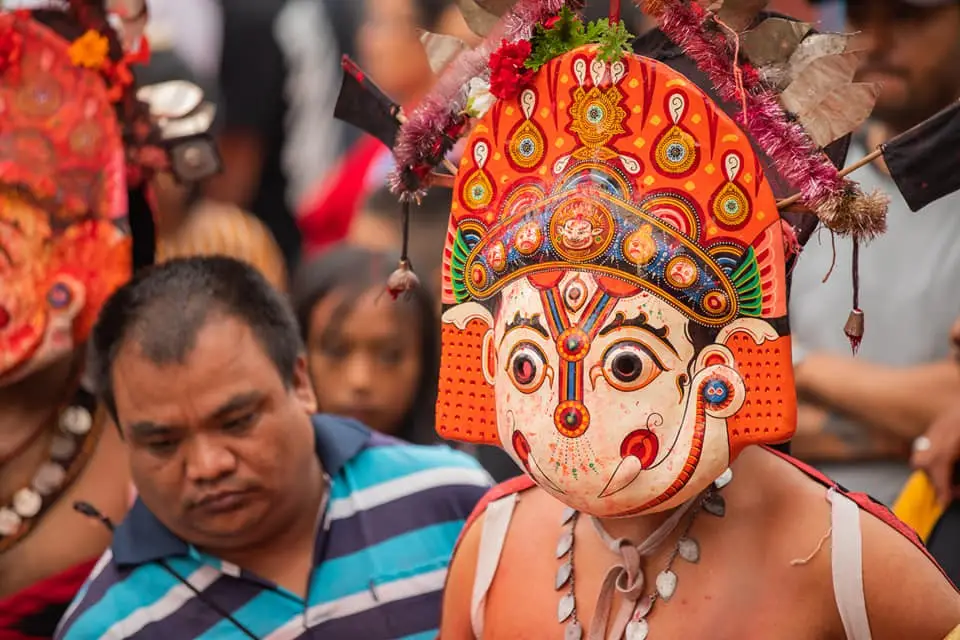
Saparu honors Newa family members who died in the past year.
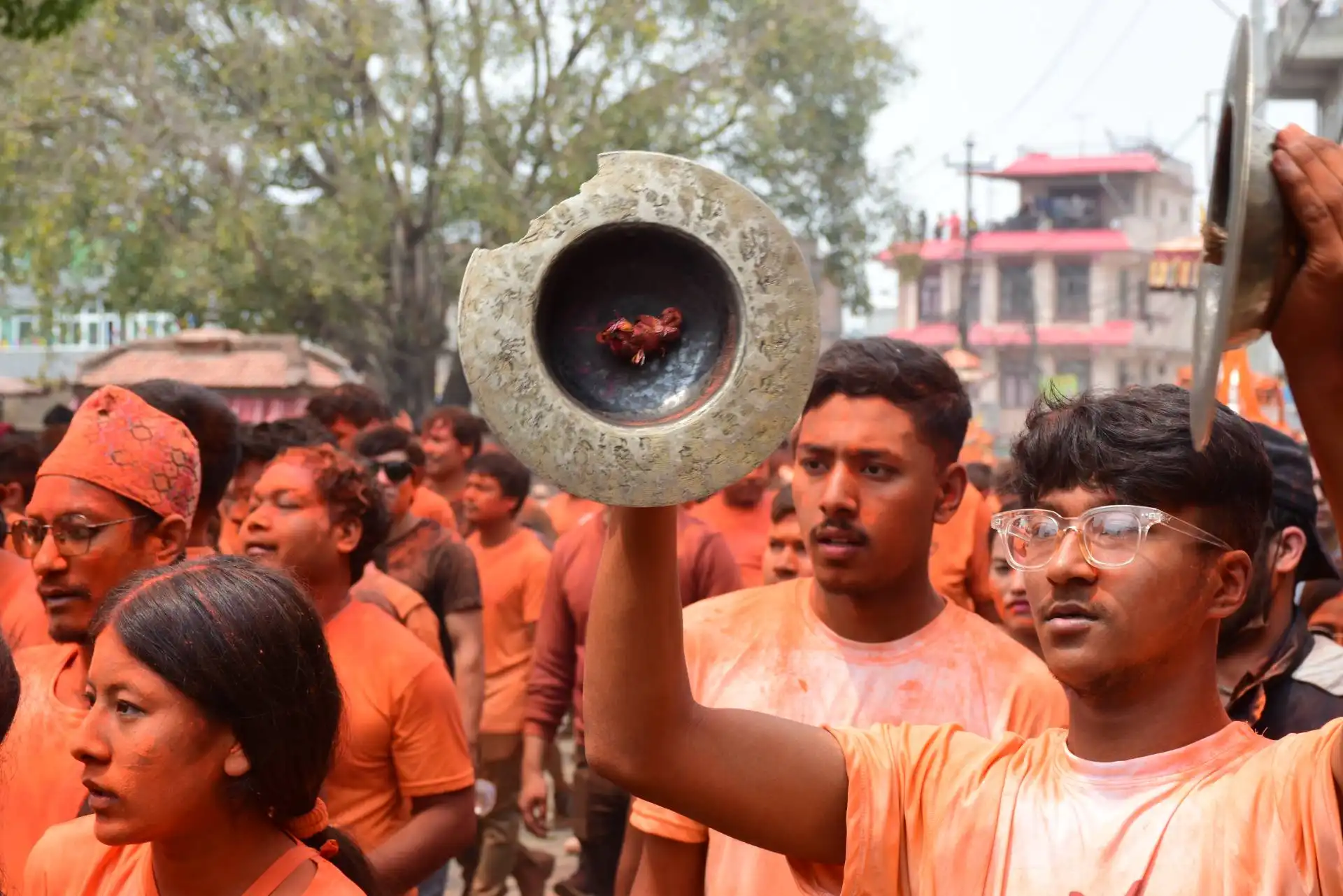
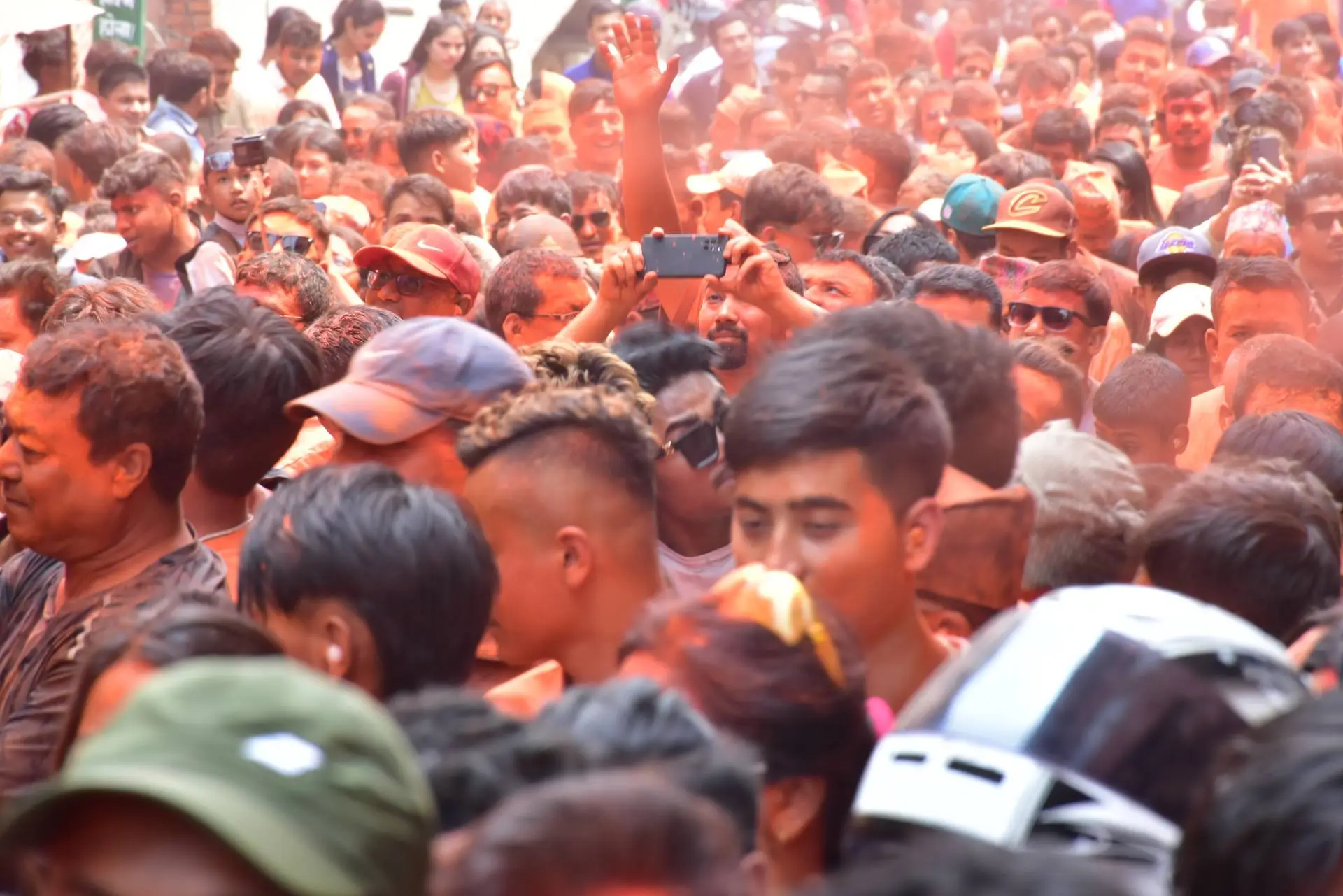
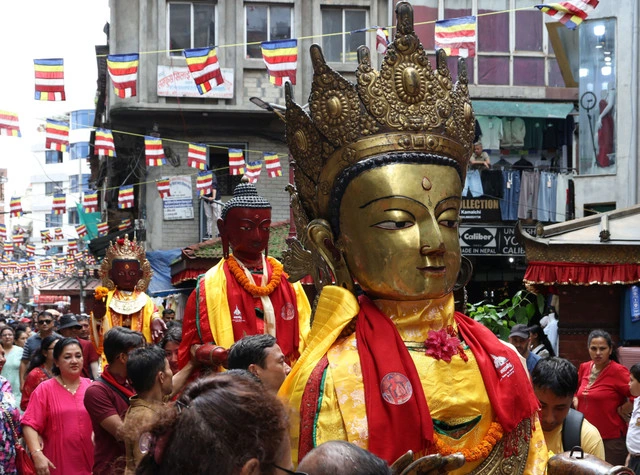
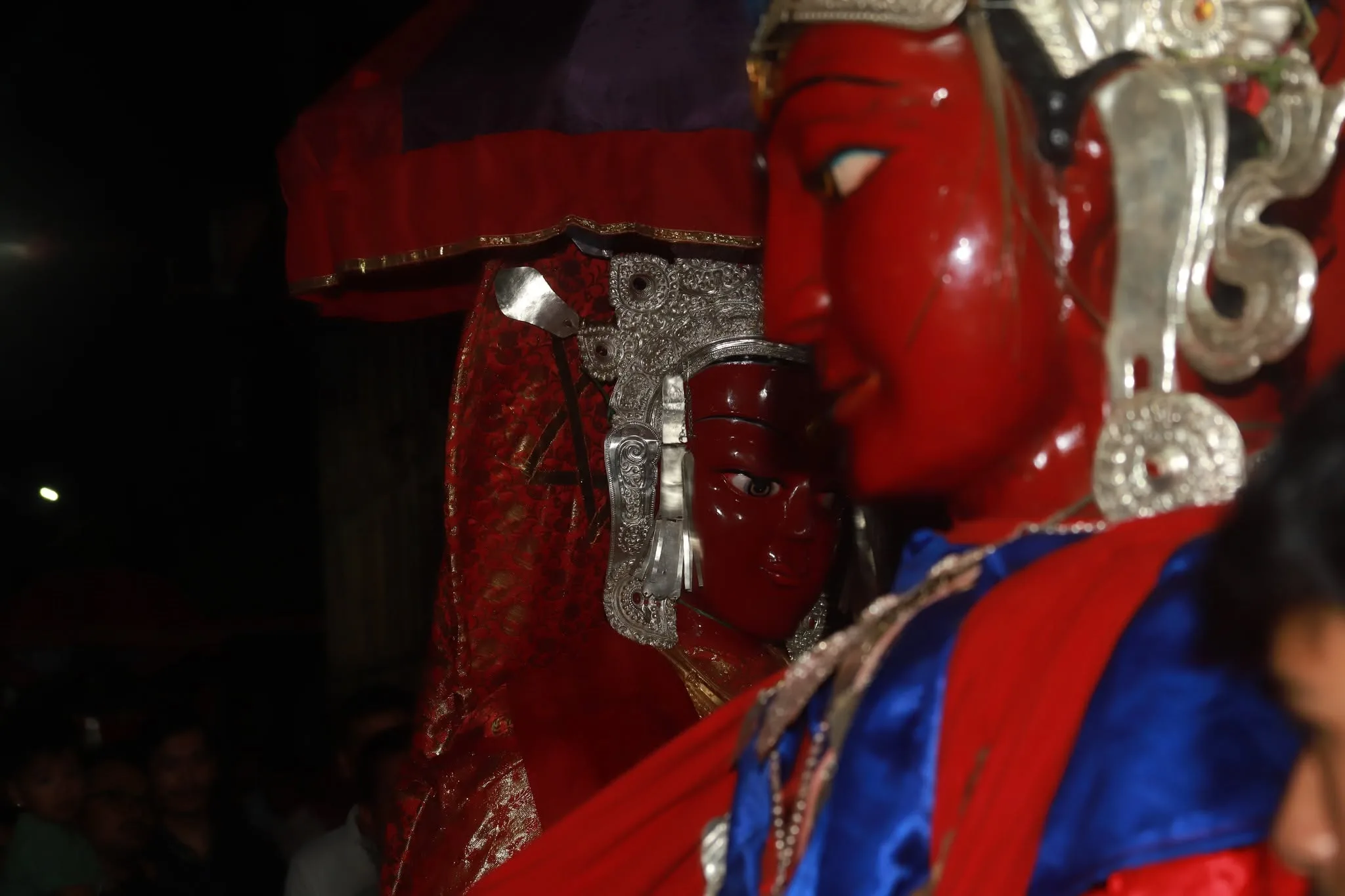
Held in the ancient Newa settlements, the festival falls on the first day of the dark fortnight of Gunla called Gunlaga Paru, set by the Nepal Sambat lunar calendar. Families who lost a relative that year lead a procession through their city.
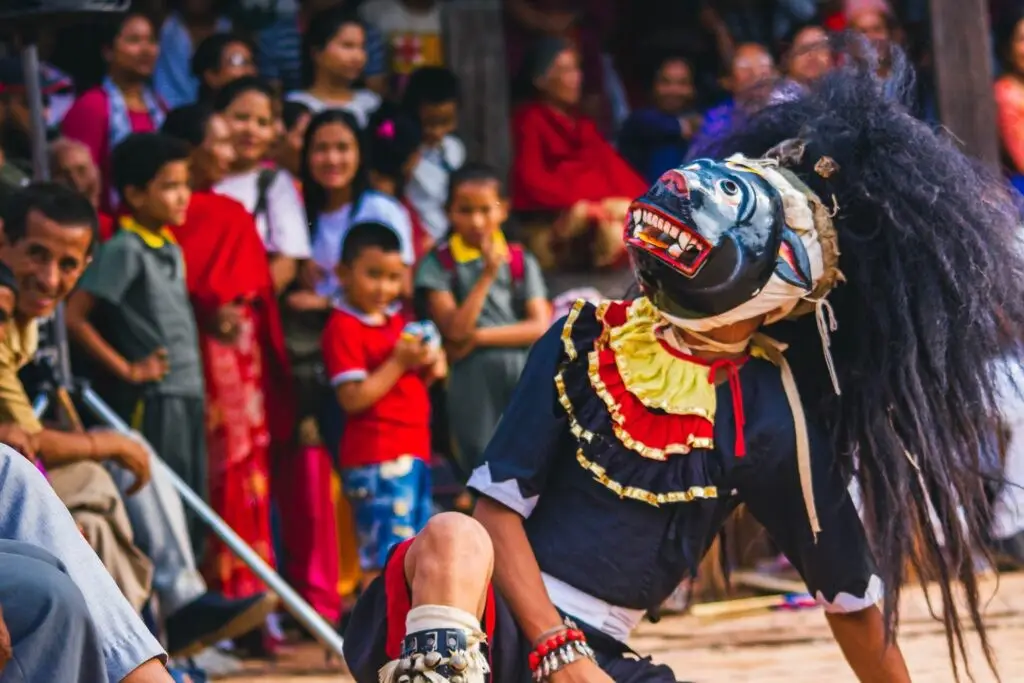
King Pratap Malla is credited with establishing the festival in its current form.
His son Chakravartendra Malla died on the second day of his appointed one-year reign, reportedly trampled by an elephant. Pratap Malla organized a procession of grieving families to ease the queen's mourning, an account recorded in palace history and repeated across Newa oral tradition.
The festival's origin is contested between two Malla-era accounts.
Some historians trace Saparu to King Jayasthiti Malla in 14th century Bhaktapur, citing the Gopalrajbamsawali chronicle's mention of "Sa Paru" during a period of pandemic deaths. Others hold that Pratap Malla originated the tradition in Kathmandu nearly 300 years later. Sources do not agree on which account is correct.
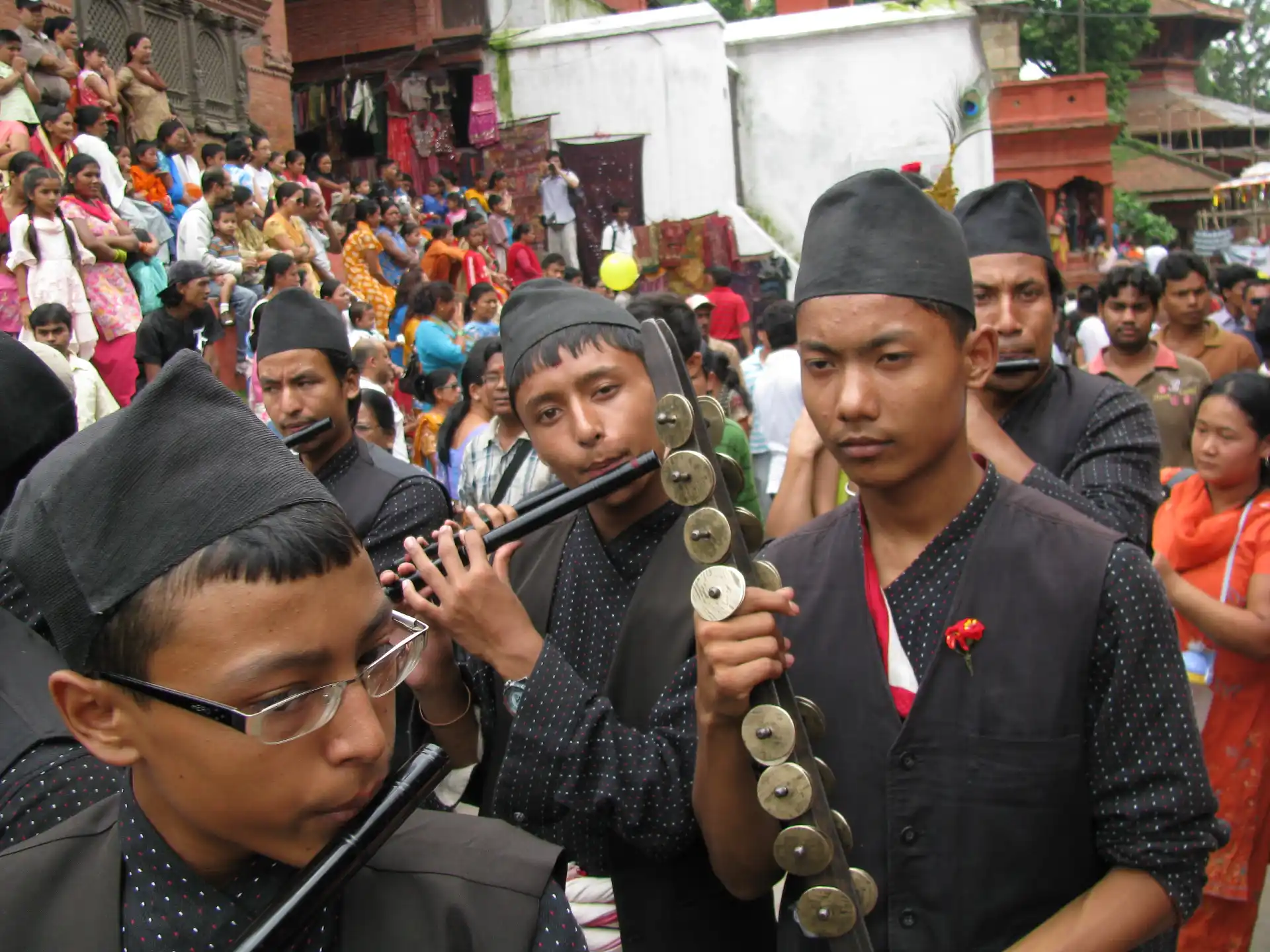
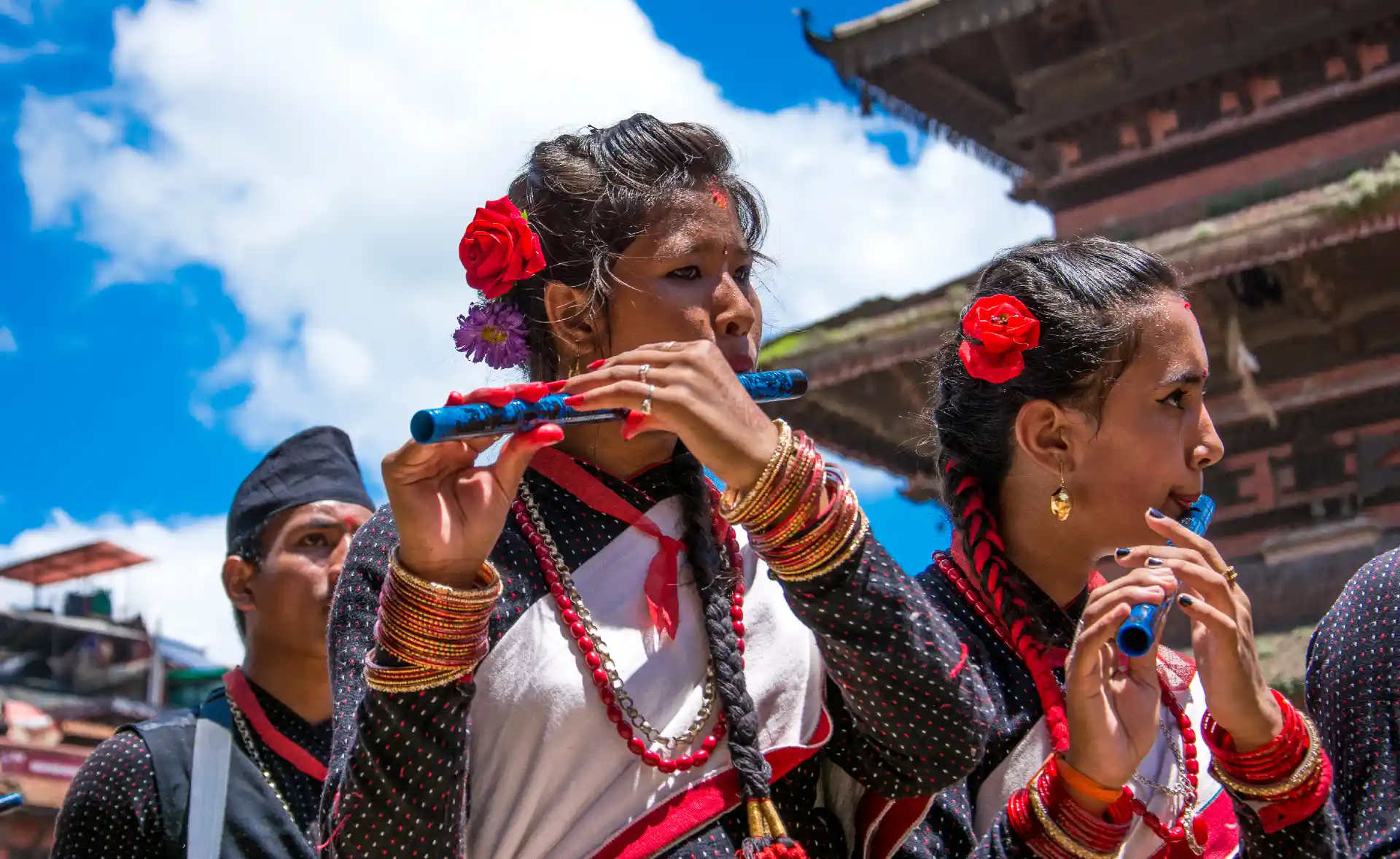
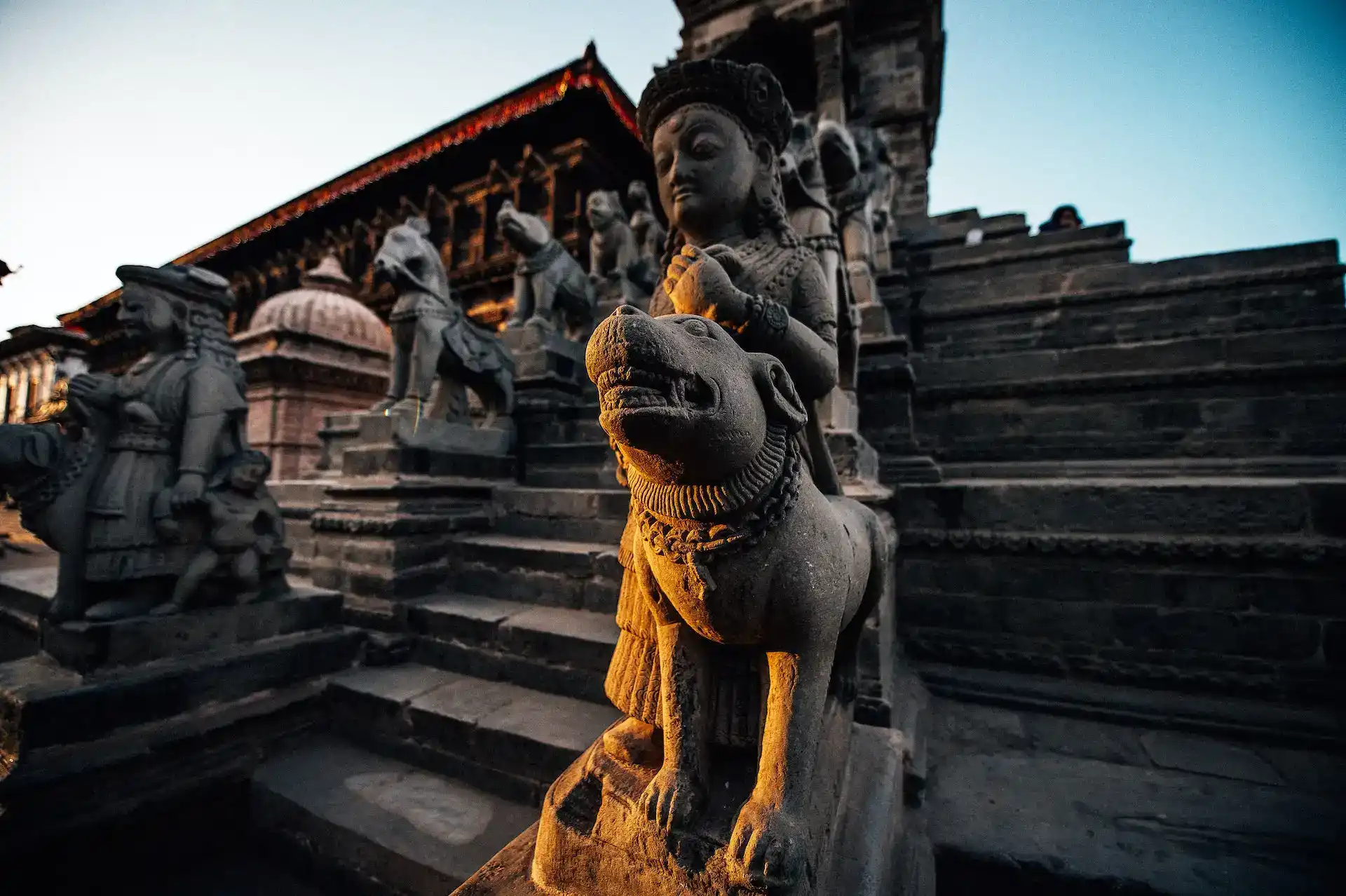
Rani Pokhari in Kathmandu was built in the same period as the festival's spread.
Pratap Malla commissioned the pond in 1670 CE, filling it with water from sacred rivers across Nepal and India to honor Chakravartendra. A stone inscription dated Nepal Sambat 790 records the construction and names witnesses present at the site.
1670 CE
Rani Pokhari built
790 N.S.
Inscription dated
The festival's reach grew beyond the royal court over time.
It spread from Kathmandu to Bhaktapur, Patan, and Kirtipur, each city developing its own form. Bhaktapur centers on the Tahamacha procession, while Kirtipur holds that the march helps the dead reach the gates of heaven.
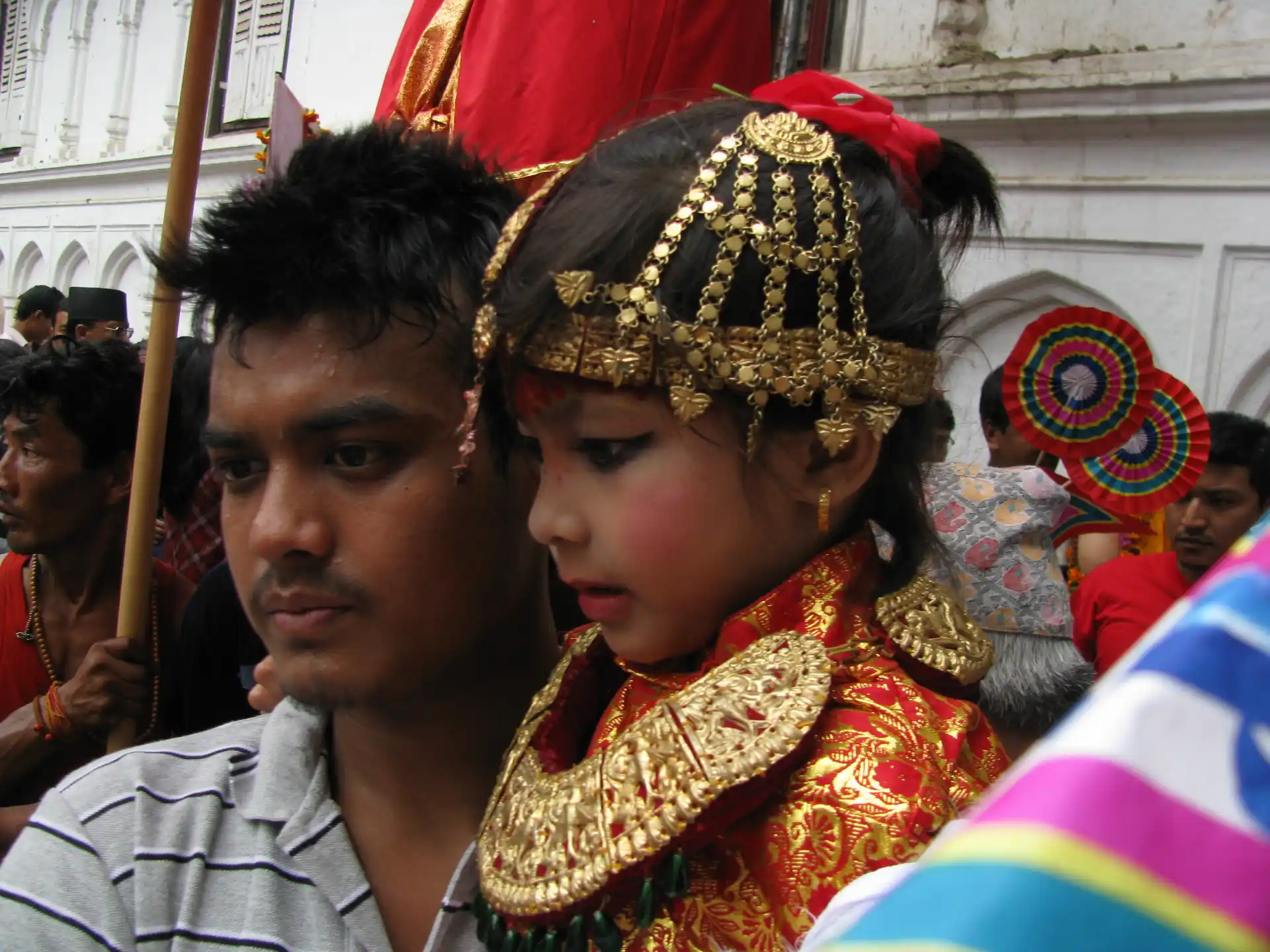
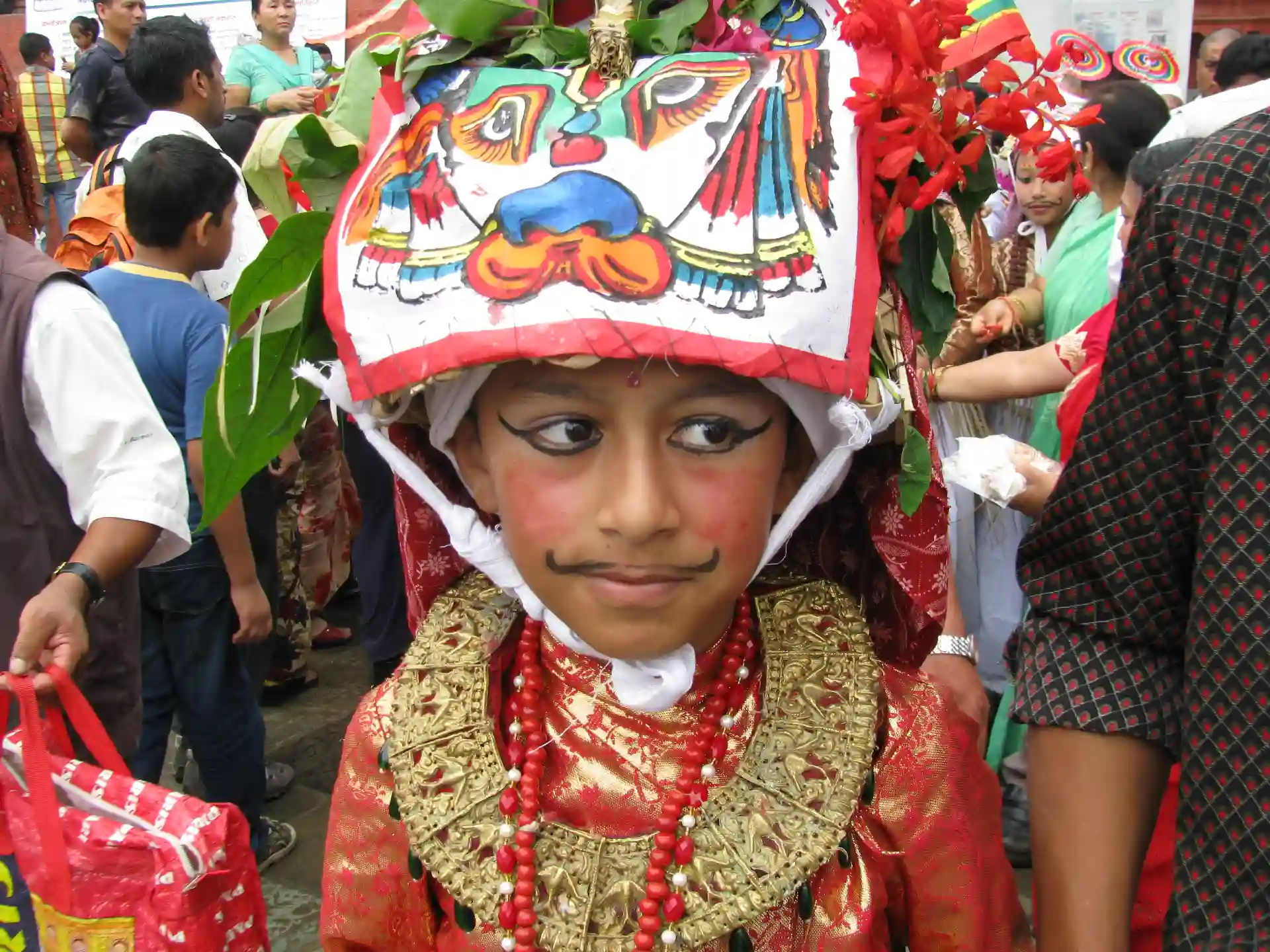
Gai Jatra turned a private family mourning ritual into a public day of satire and shared grief.
Families across the ancient Newa settlements still observe Saparu each Gunlaga Paru.
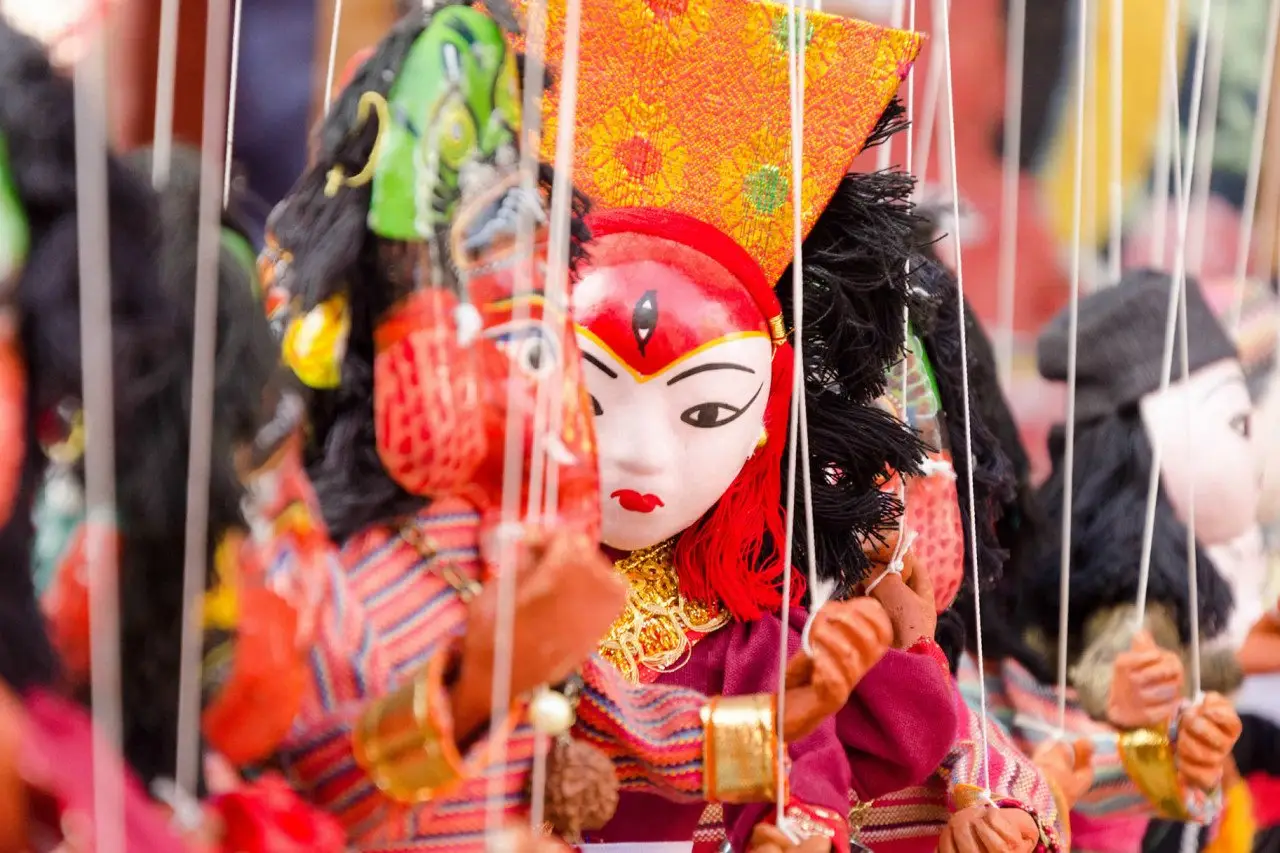
The Ghintang Ghisi stick dance continues from Saparu through Krishna Janmashtami. Satirical performances, once a way to comment on royal authority without punishment, remain a fixture of the day in ancient Newa settlement's streets.