Chatha
Festival
Author
Kapil Sainju
Published
14 Sep, 2026
Newa households worship Ganesh on Bhadra Shukla Chaturthi without viewing the moon.
The scope covers Kathmandu Valley and its surrounding Newa households and neighborhood Chwasa Ganesh shrines during the month of Bhadra. It does not cover Ganesh Chaturthi as celebrated by non-Newa Hindu communities in India or the Nepal's Terai.
The account draws on oral practice recorded from Newa households, cross-checked against Nepali lunar calendar records and published Bhaktapur festival documentation. Where a claim rests on legend rather than a dated record, that distinction is stated directly.
Newa worship Ganesh at home on Bhadra Shukla Chaturthi.
Chatha falls on the fourth day of the bright fortnight of Bhadra, the same date Hindus across South Asia mark as Ganesh Chaturthi. In Nepal Mandal the Newa community observes it as a household ritual, not a public procession. The practice sits inside a wider Newa religious system that blends Tantric, Vedic, and Vajrayana Buddhist elements.
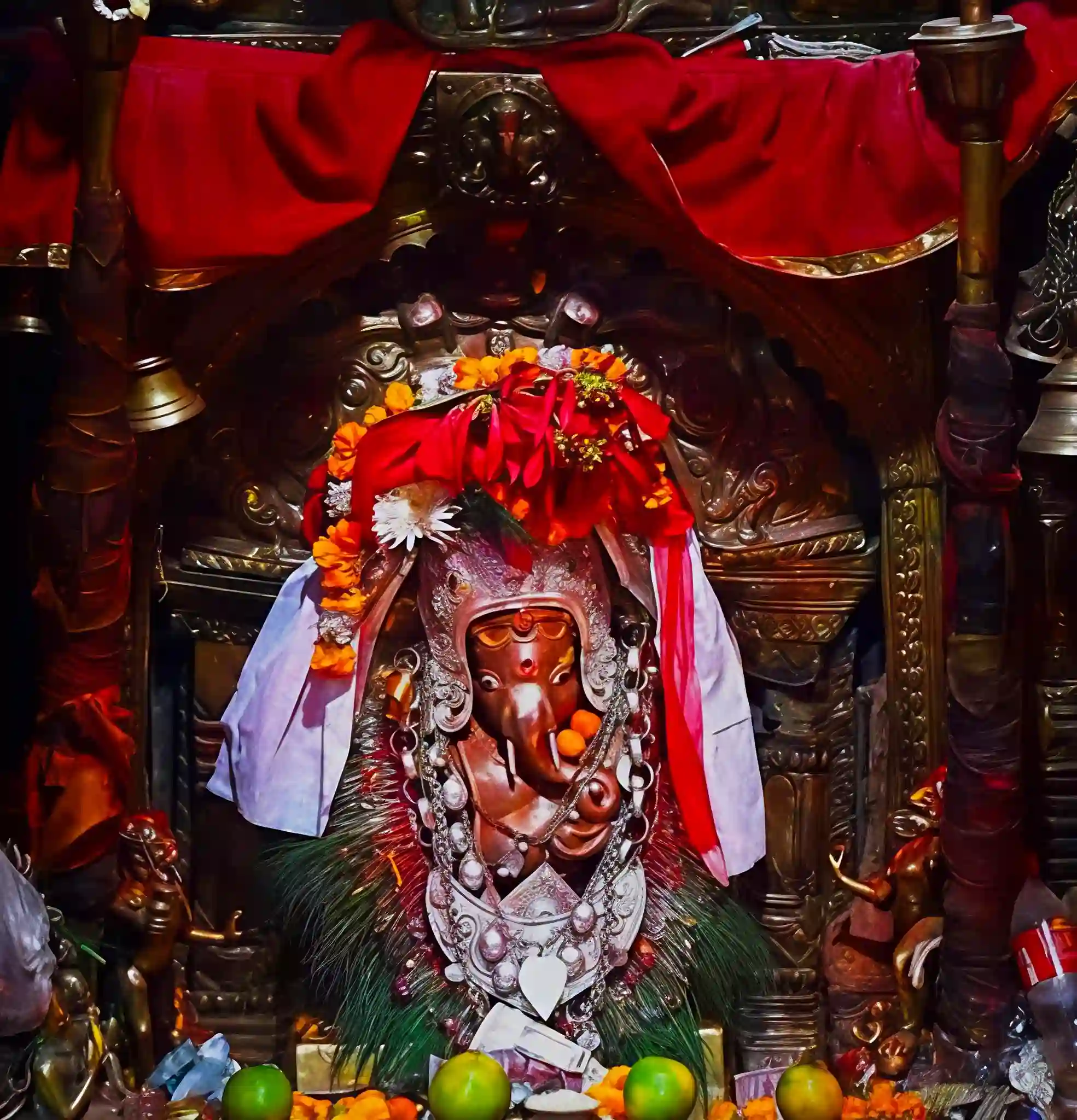
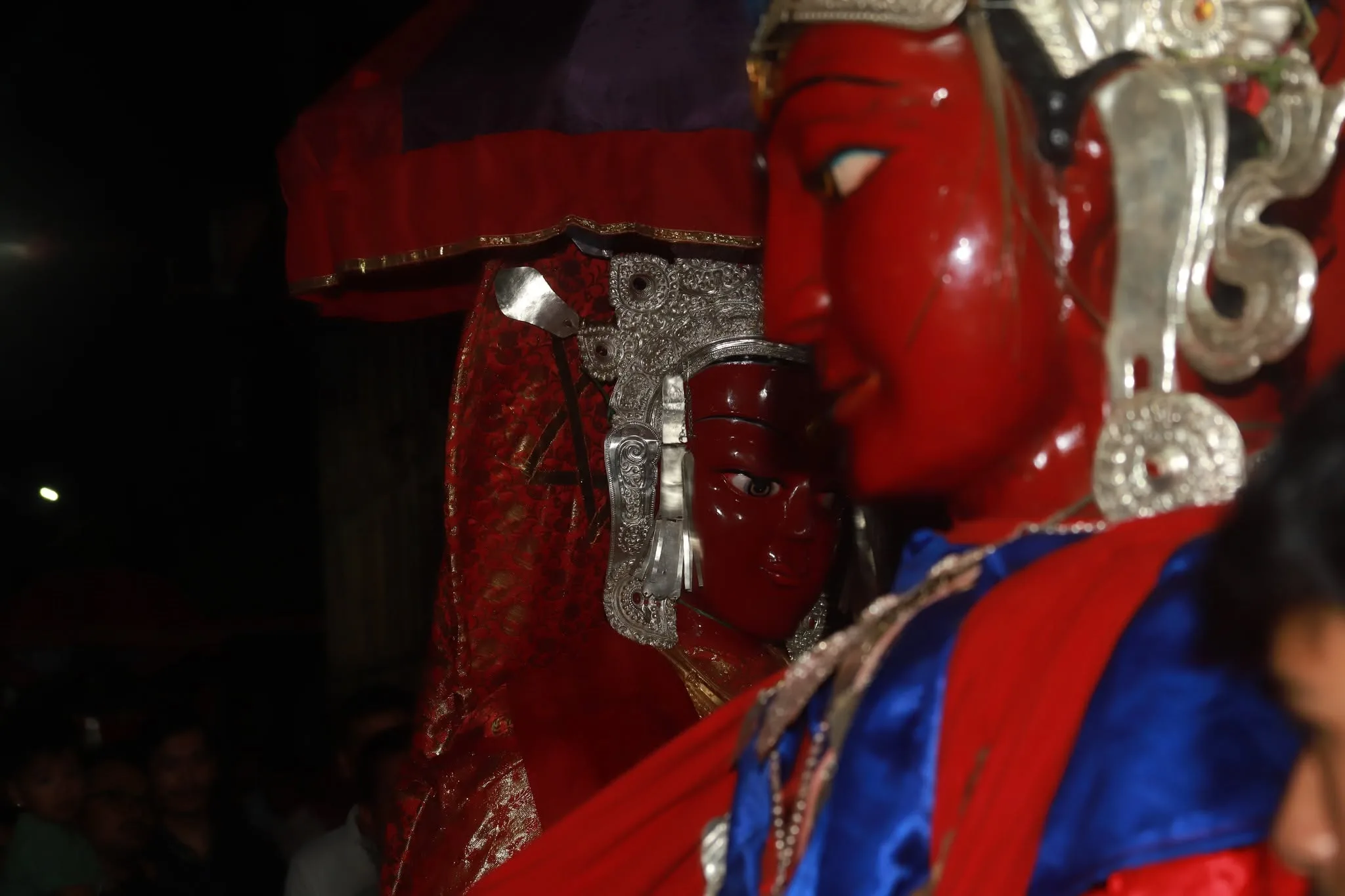
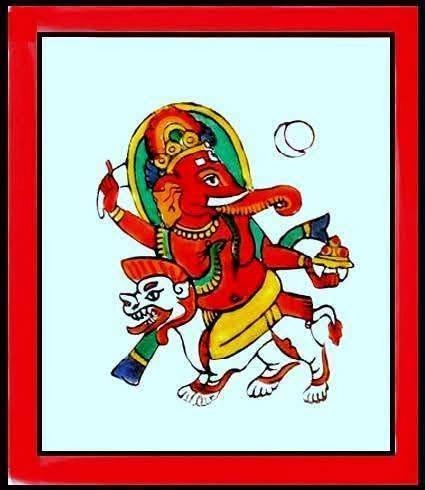
Ganesh is worshipped as Vinayaka, giver of success, in Newa Buddhism.
Newa Vajrayana Buddhist tradition addresses Ganesh as Vinayaka and Siddhi Data, guardian of beginnings, alongside his standing in Hindu practice. Kathmandu Valley neighborhoods keep independent Ganesh shrines called Chwasa Ganesh, treated as local protector deities rather than temple-bound images. Oral accounts collected from Newa households describe the two traditions, Hindu and Buddhist, worshipping on the same Chaturthi date without conflict.
Worship happens at night, timed around the moon.
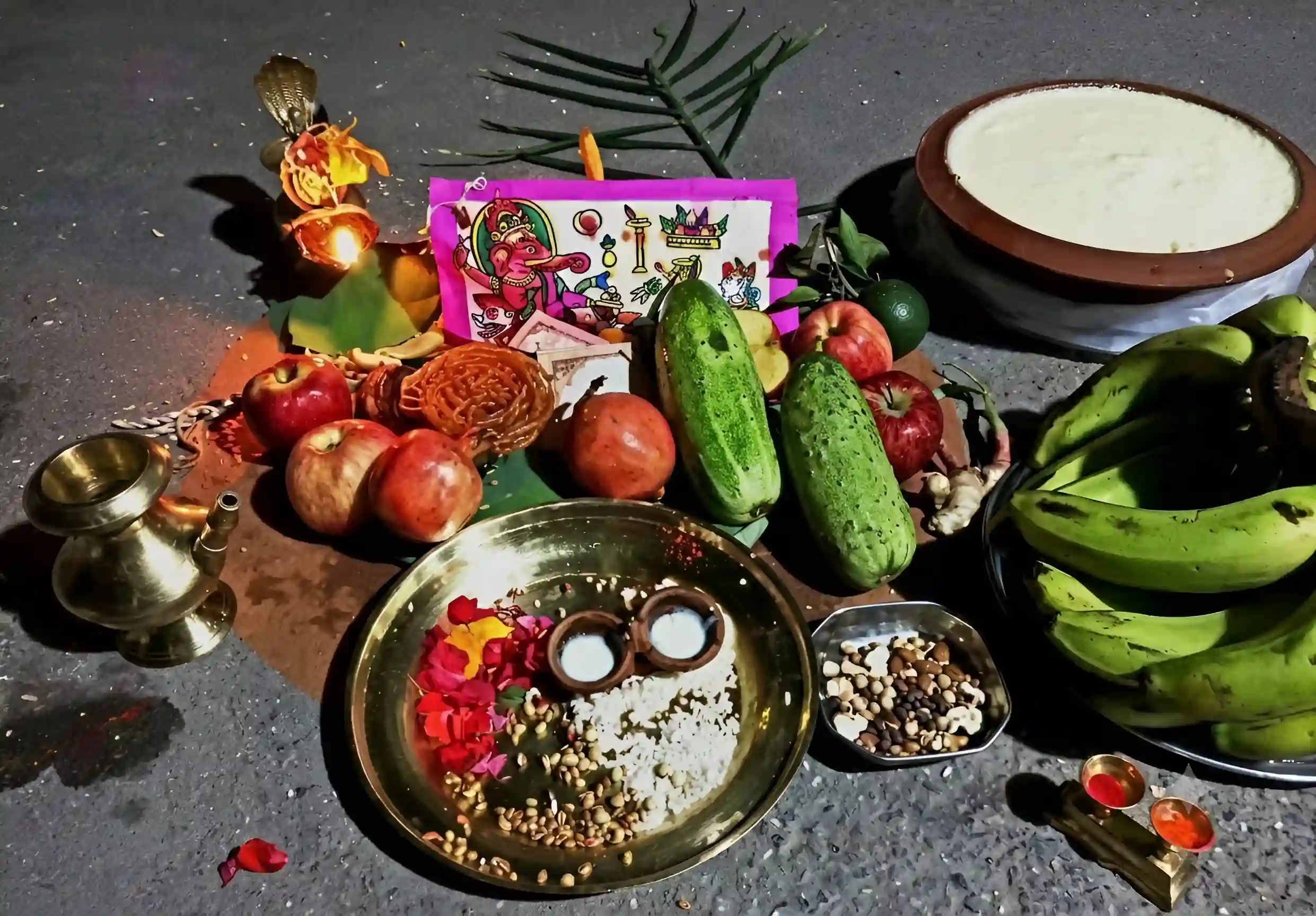
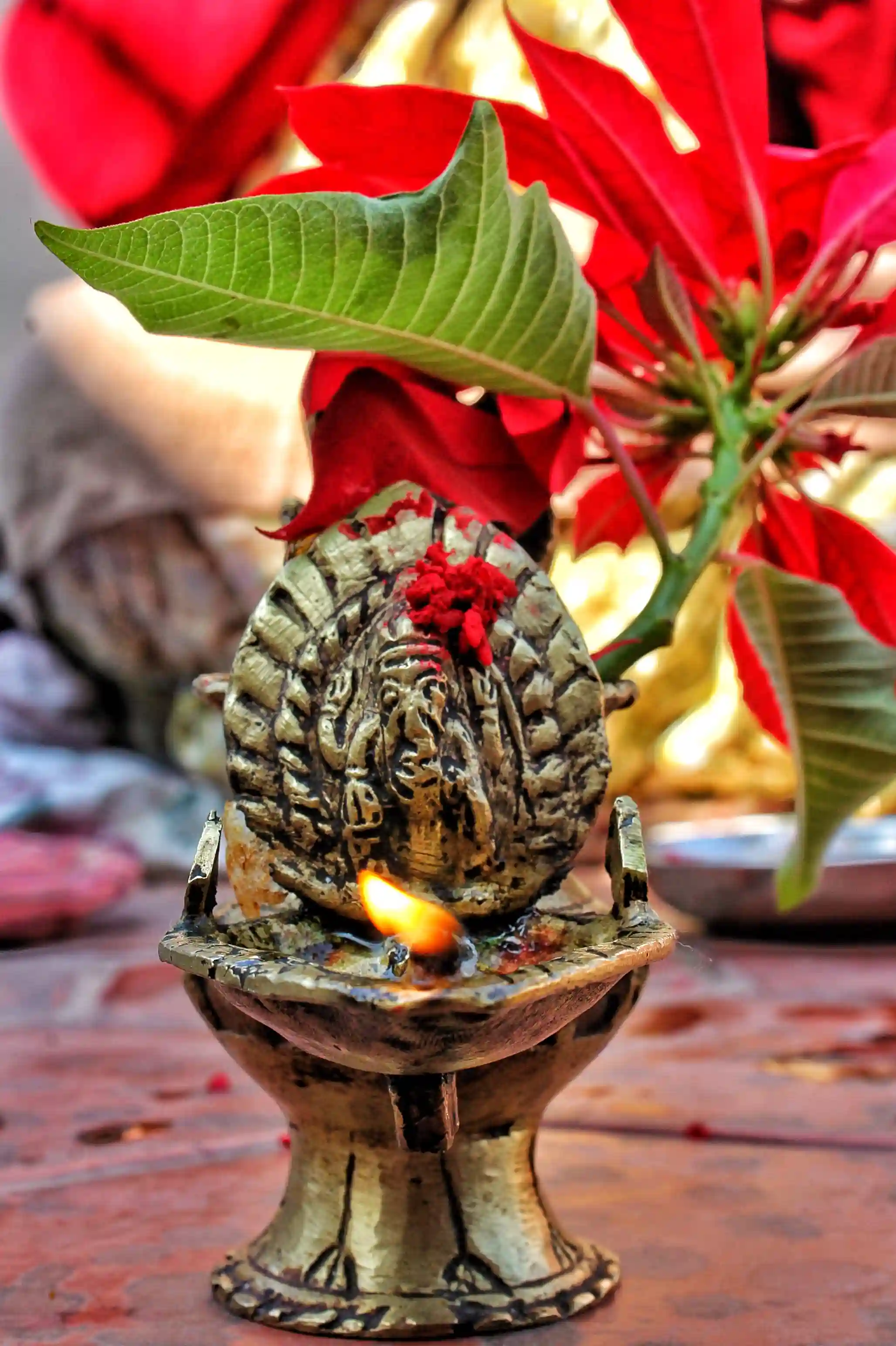
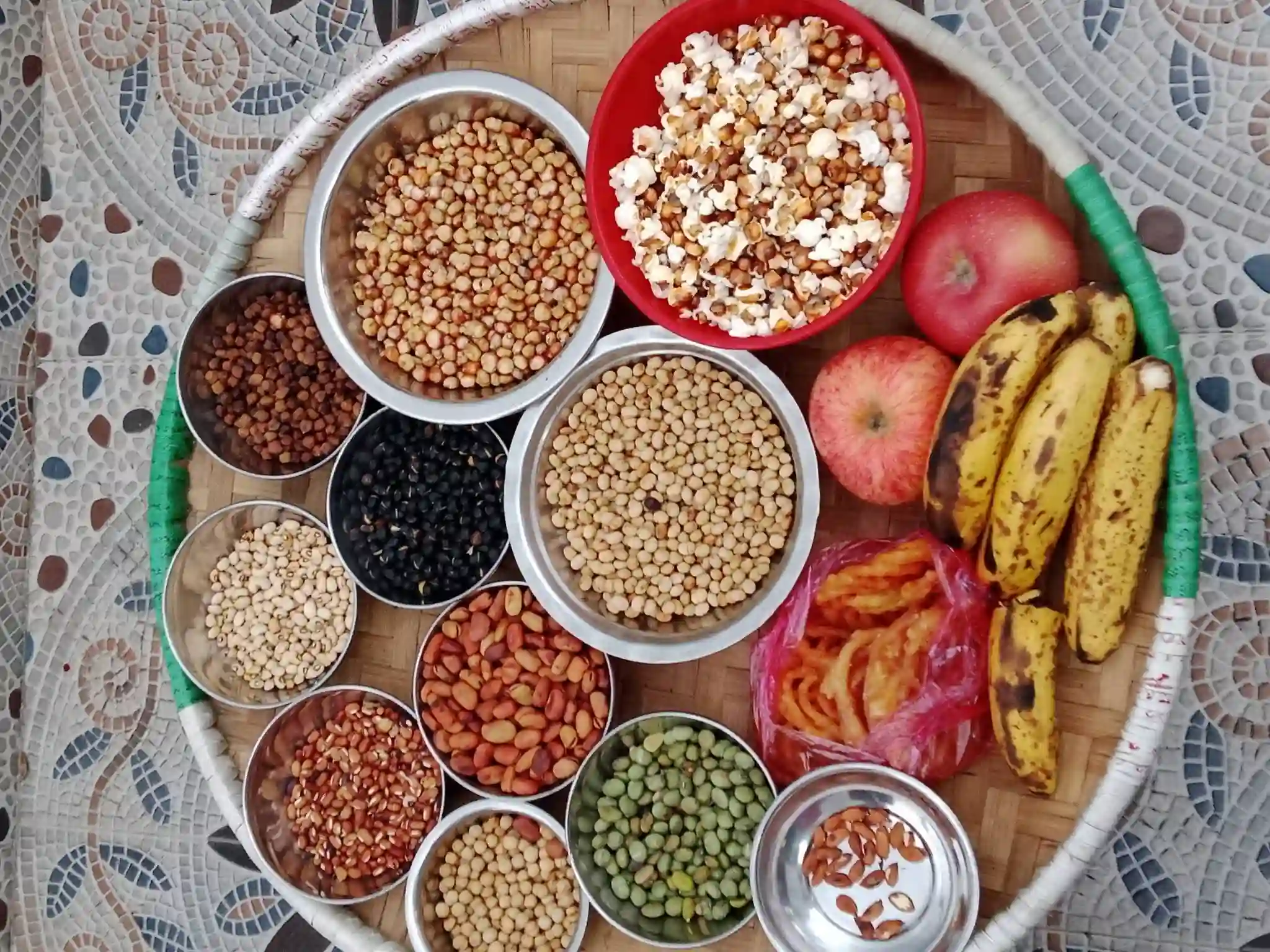
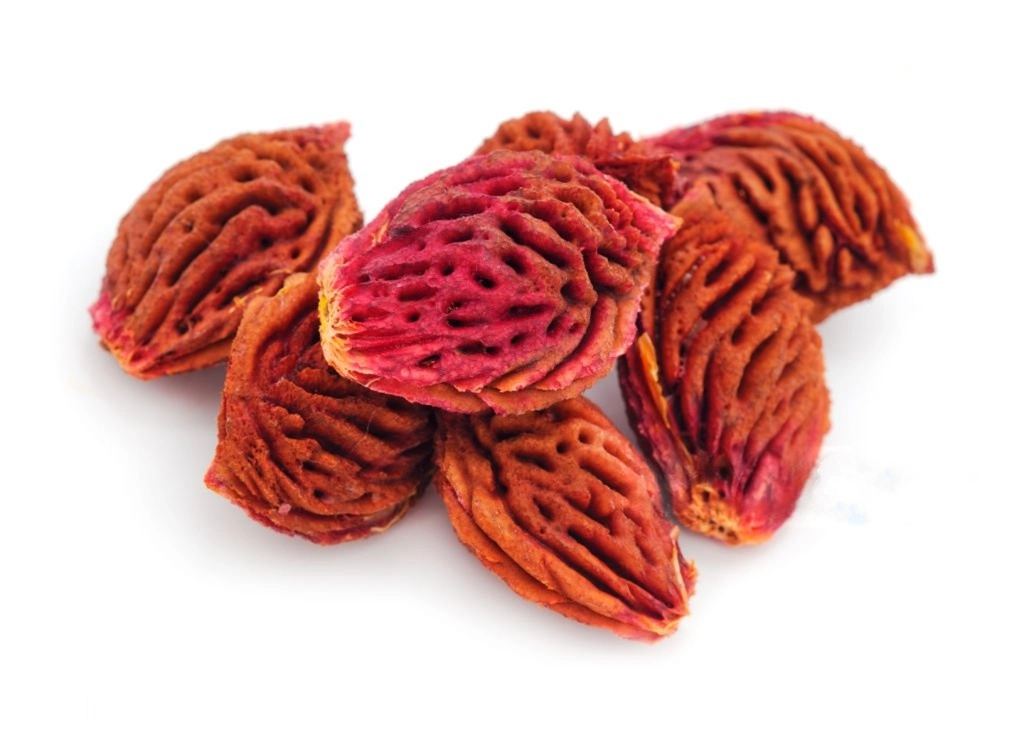
Unlike most Newa pujas performed in the morning, Chatha worship takes place in the evening inside the home. Devotees offer a lotus leaf holding nine types of grain and seed, along with fruit and Karveer and Mohani flowers. Samaybaji, the standard Newa ritual feast, and beaten rice are served as part of the observance.
A legend explains why the moon is avoided that night.
Newa oral tradition holds that Ganesh cursed the moon for mocking his form, risking a false theft accusation for anyone who looks. Worship performed that night is believed to clear Chandra Dosha, the moon's curse, and the stigma of theft. The same night, offerings are also made to Khu: Dyah, the thief god, alongside Ganesh.
In Bhaktapur, Ganesh is said to be born within Navadurga Gana on Chatha.
The home ritual continues largely unchanged in the valley today.
Families in Kathmandu Valley still keep the evening puja, the lotus leaf offering, and the avoidance of the moon. Public processions and idol immersion, common in India's Ganesh Chaturthi, do not feature in Newa practice. What remains is a private household rite tied to a single lunar date each Bhadra.