Sithi Nakha
Festival
Author
Kapil Sainju
Published
22 Jun, 2026
Sithi Nakha, observed on the sixth day of Jestha Shukla Paksha, documents Newa water conservation practice from the Lichhavi era.
This article documents Sithi Nakha as practiced in the Nepal Mandal, covering the Lichhavi era origins of the hiti water infrastructure, the Guthi led maintenance system, the pre-monsoon timing logic, and the Kumar Kartikeya worship that frames the day. The scope covers the Kathmandu Valley and its surrounding communities within the Newa settlement zone.
Sithi Nakha marks the annual water audit of Nepal Mandal before the monsoon.
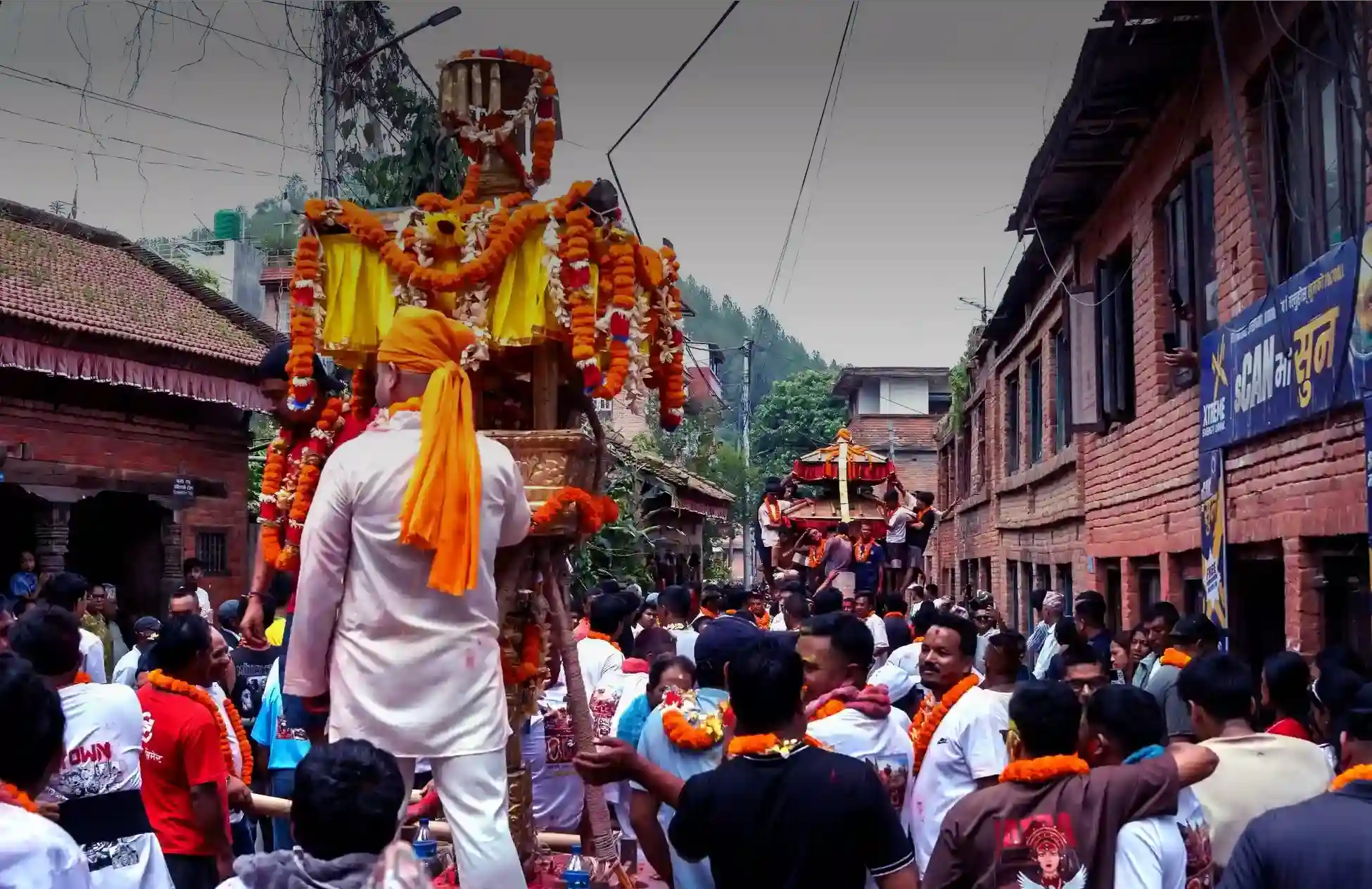
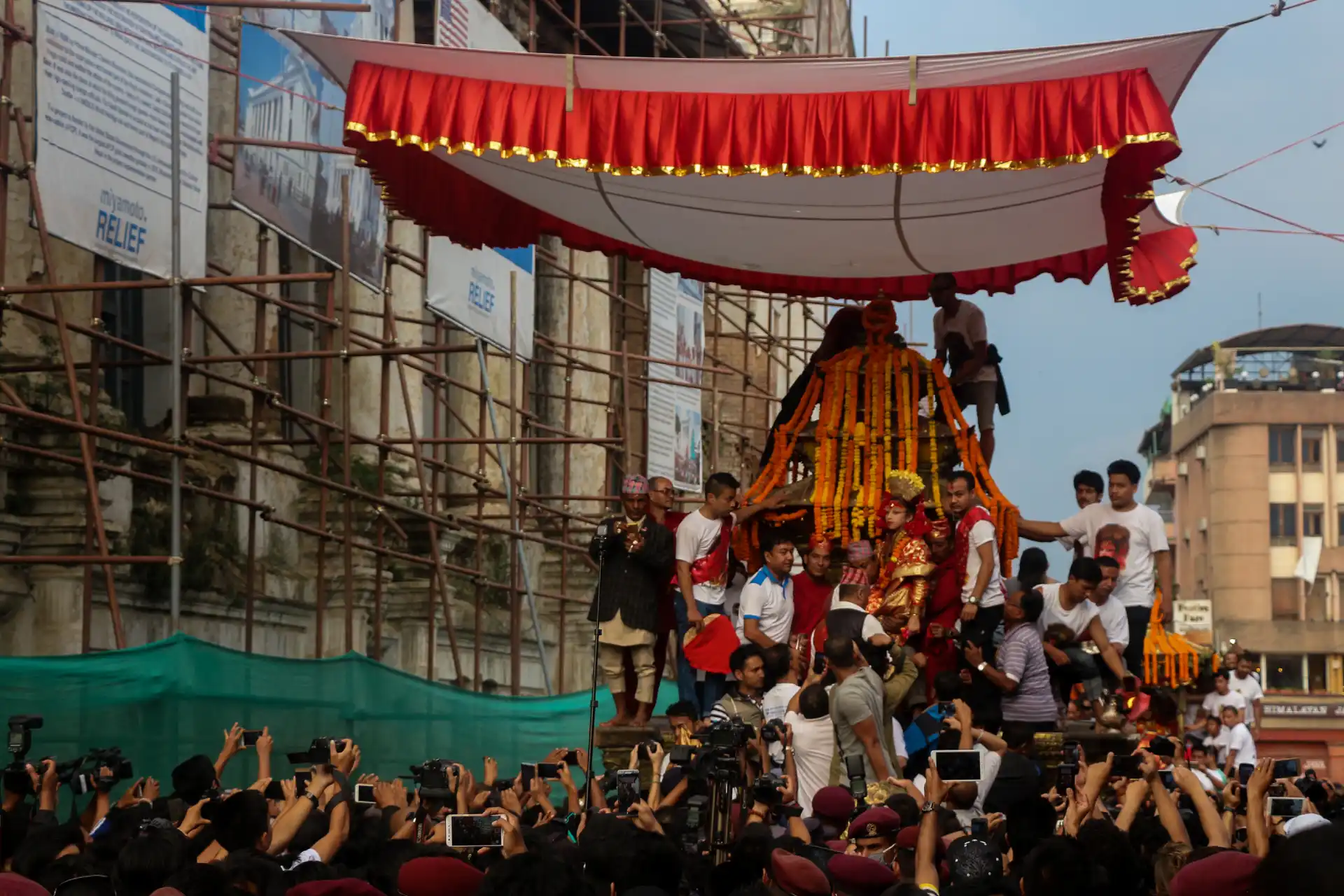
The festival falls on Jestha Shukla Shashthi, the sixth day of the waxing moon in May or June immediately before the monsoon arrives and rice planting begins. The name derives from the Sanskrit Shashthi (sixth) and the Nepal Bhasha Nakha (festival). It is also called Kumar Shashthi, referencing the birth of Kumar Kartikeya, first son of Shiva and Parvati.
Historians place Sithi Nakha's origin in the Lichhavi era, between 400 and 750 CE.
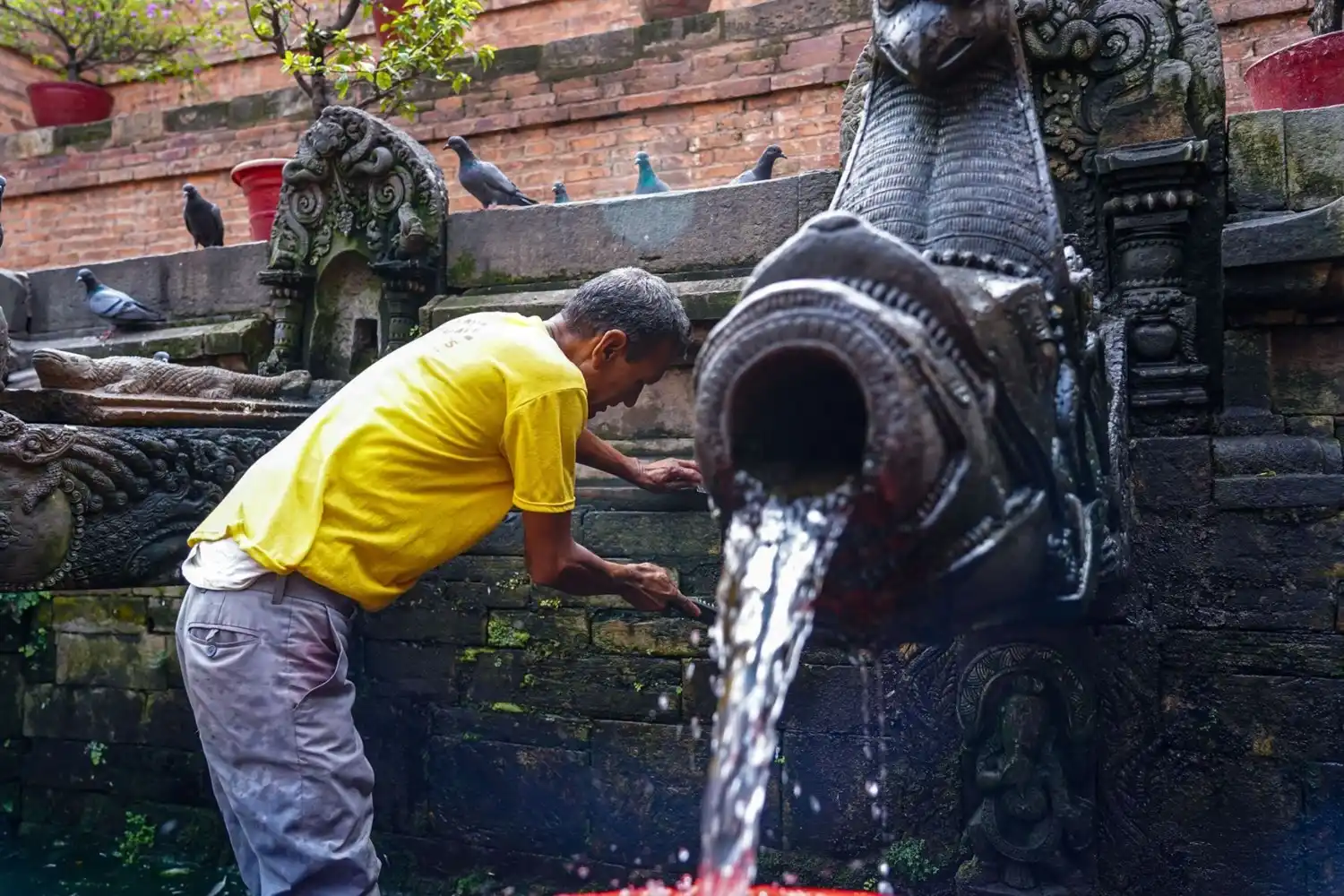
Stone inscriptions from the reign of Yaksha Malla in Bhaktapur document that local communities were legally required to clean water bodies stone spouts, wells, temples, and pathways on Sithi Nakha, as cited by historian Kasi Nath Tamot. A Lichhavi era inscription at Balambu, established by Ganadeva, is submerged in a spring and surfaces only during annual Sithi Nakha cleaning linking the festival directly to the infrastructure it was designed to maintain.
The Lichhavi era produced the hiti system that Sithi Nakha was built to protect.
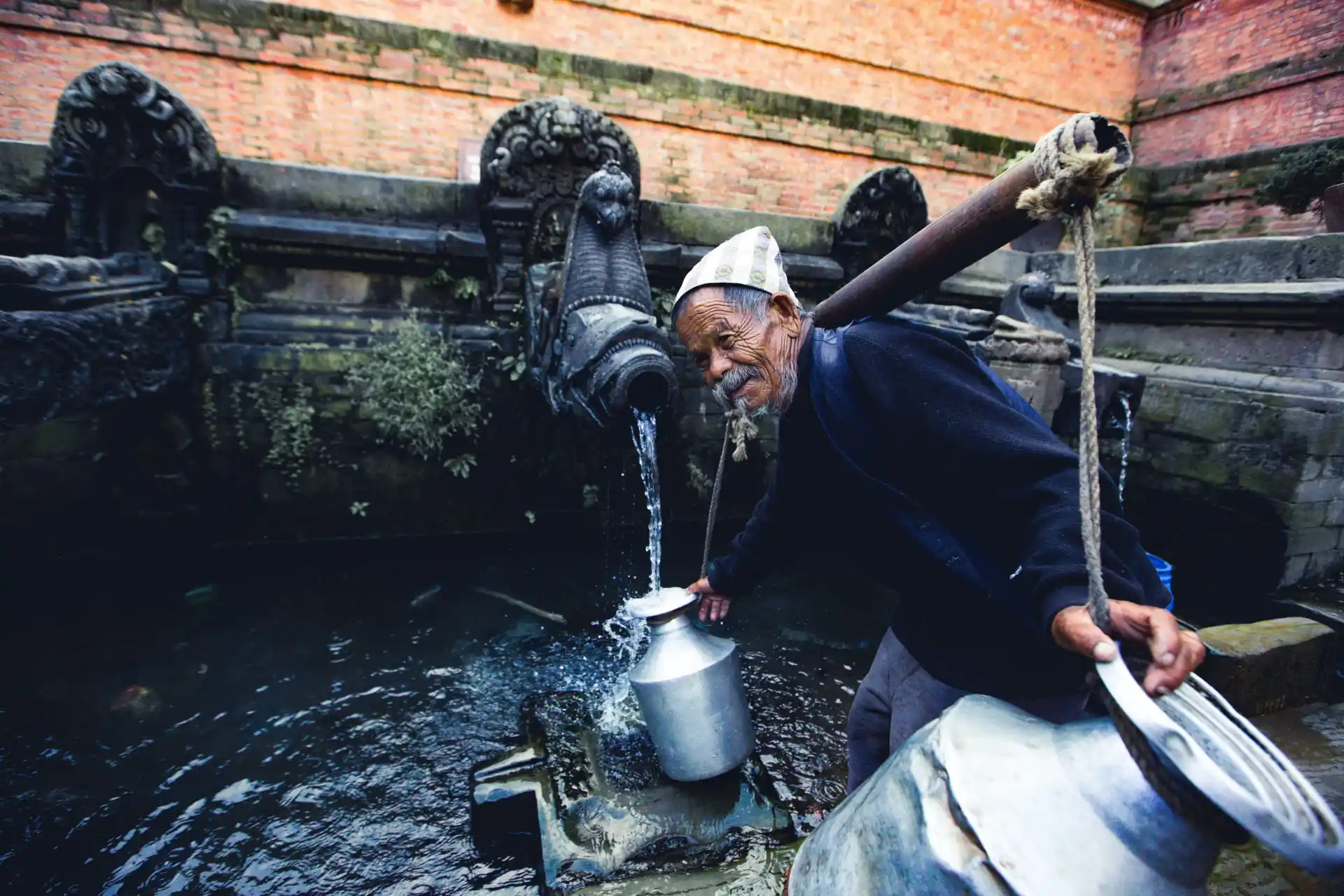
The earliest recorded hiti was built at Hadi Gaun in Kathmandu by a grandson of Lichhavi king Mandev I in 550 CE. Lichhavi records refer to the system as Pranali; the term hiti entered use during the Malla era. The system used gravity-fed underground channels to draw water from aquifers no motors, no external energy source.
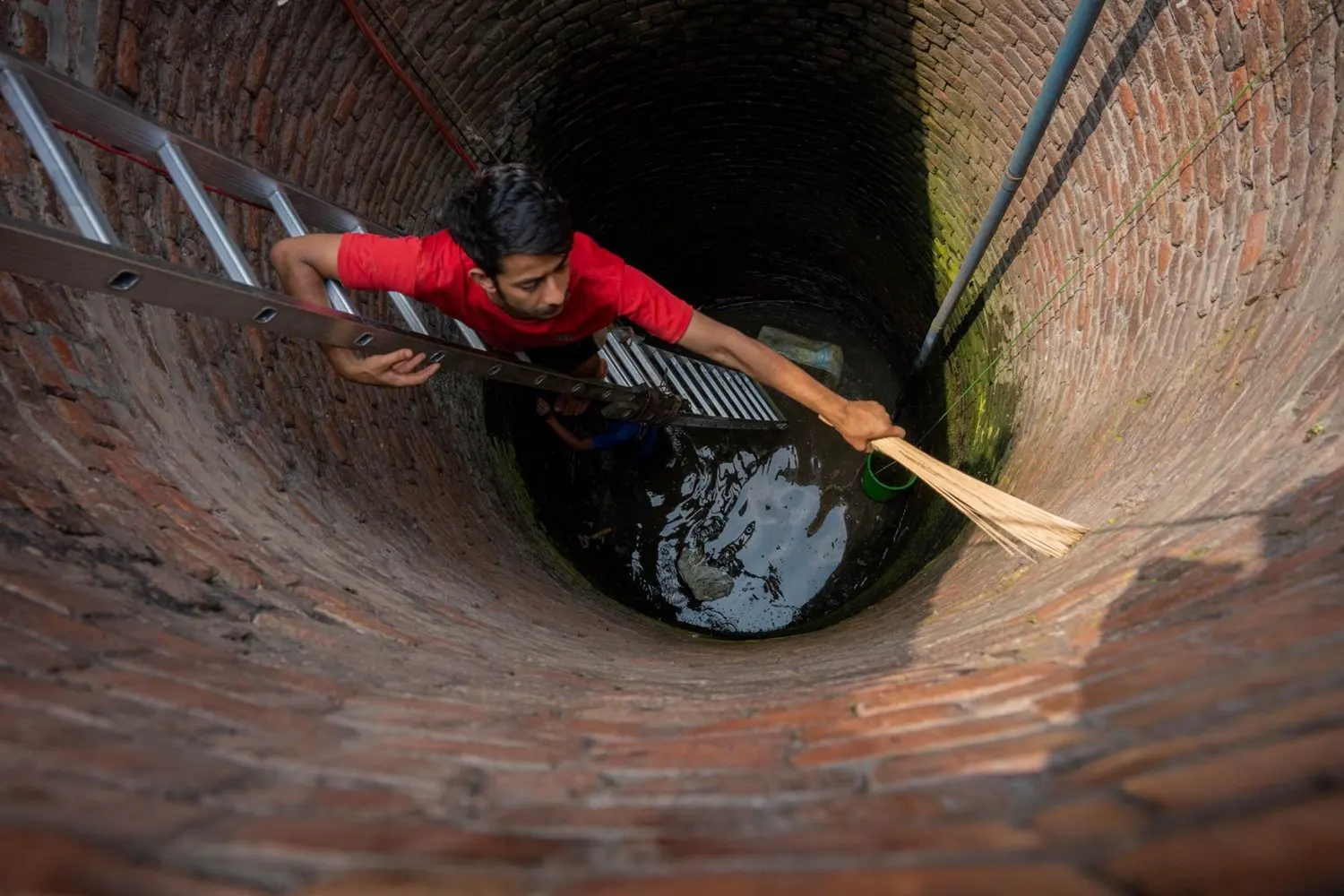
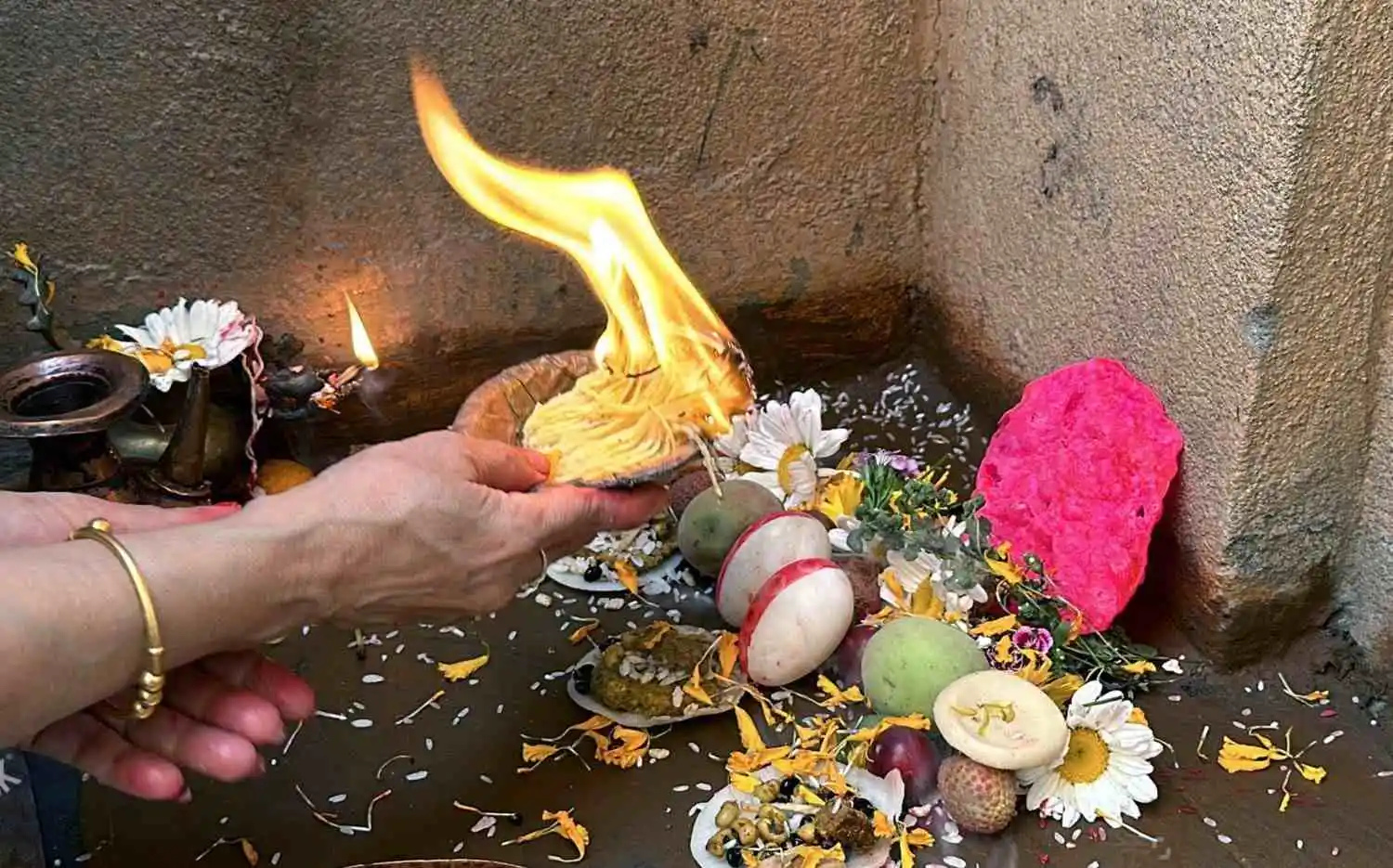

Guthi organizations held legal responsibility for hiti maintenance year round.
Specialized Hiti Guthis:- community trusts endowed with agricultural land maintained stone spouts as a civic and religious obligation. Their revenue funded cleaning, repair, and ritual upkeep. King Jitamitra Malla of Bhaktapur (1663–1696) issued a law mandating that maintenance be performed, indicating the system required institutional enforcement even in the Malla period.
550 CE
First recorded hiti built in Kathmandu
A grandson of Lichhavi king Mandev I built the first documented stone spout at Hadi Gaun, Kathmandu. The system was called Pranali in Lichhavi records.
6 th day
Jestha Shukla Paksha observance date
Sithi Nakha falls on the sixth day of the waxing moon of Jestha each year in the Bikram Sambat calendar.
Sithi Nakha encoded water infrastructure maintenance as a religious obligation, not an optional civic act.
Rapid urbanization in Kathmandu Valley has broken the aquifer recharge that Sithi Nakha depended on.
Cement construction over the valley floor has blocked rainwater from recharging the underground channels that fed the hiti system. Most stone spouts that functioned through the Malla period have reduced or stopped flowing. The Nepal Guthi Corporation's centralization of Guthi management, documented in the stone spouts administrative record, removed the community level accountability that sustained annual cleaning.