Panjaran Dan
Festival
Author
Kapil Sainju
Published
13 Sep, 2026
On Bhadra Krishna Trayodashi, Newa Buddhists donate five essential items to Shakya and Bajracharya priests.
The article covers Panjaran Dan as practiced across the Kathmandu Valley towns of Kathmandu, Patan, Bhaktapur, Kirtipur, Panauti, Banepa and Thimi. It focuses on the priest lineages, Shakya and Bajracharya, who receive the donation in place of the extinct monastic Sangha.
The research draws on festival reporting from Nepali Patro, Republica, Ratopati, and the Himalayan Times, oral legend recorded from Bajracharya priest Yagyaman Pati Bajracharya of Shreenaka Mahabihar in Hanuman Dhoka and a published account of Bhaktapur's Panchadan and Samyakdan Guthis. No single source fixes an exact founding date and the earliest surviving account traces the origin to the legendary reign of King Sarvananda.
Newa Buddhists call this festival Panjaran, meaning virtuous donation, not merely Panchadan.
In Nepal Bhasa, panjaran also names kheer, the rice pudding cooked and offered on this day. The dual meaning ties the festival's charity directly to a shared ritual food, offered to Buddha and given to guests alike. This naming sets the Newa practice apart from the general Sanskrit term pancha daan used elsewhere in South Asia.
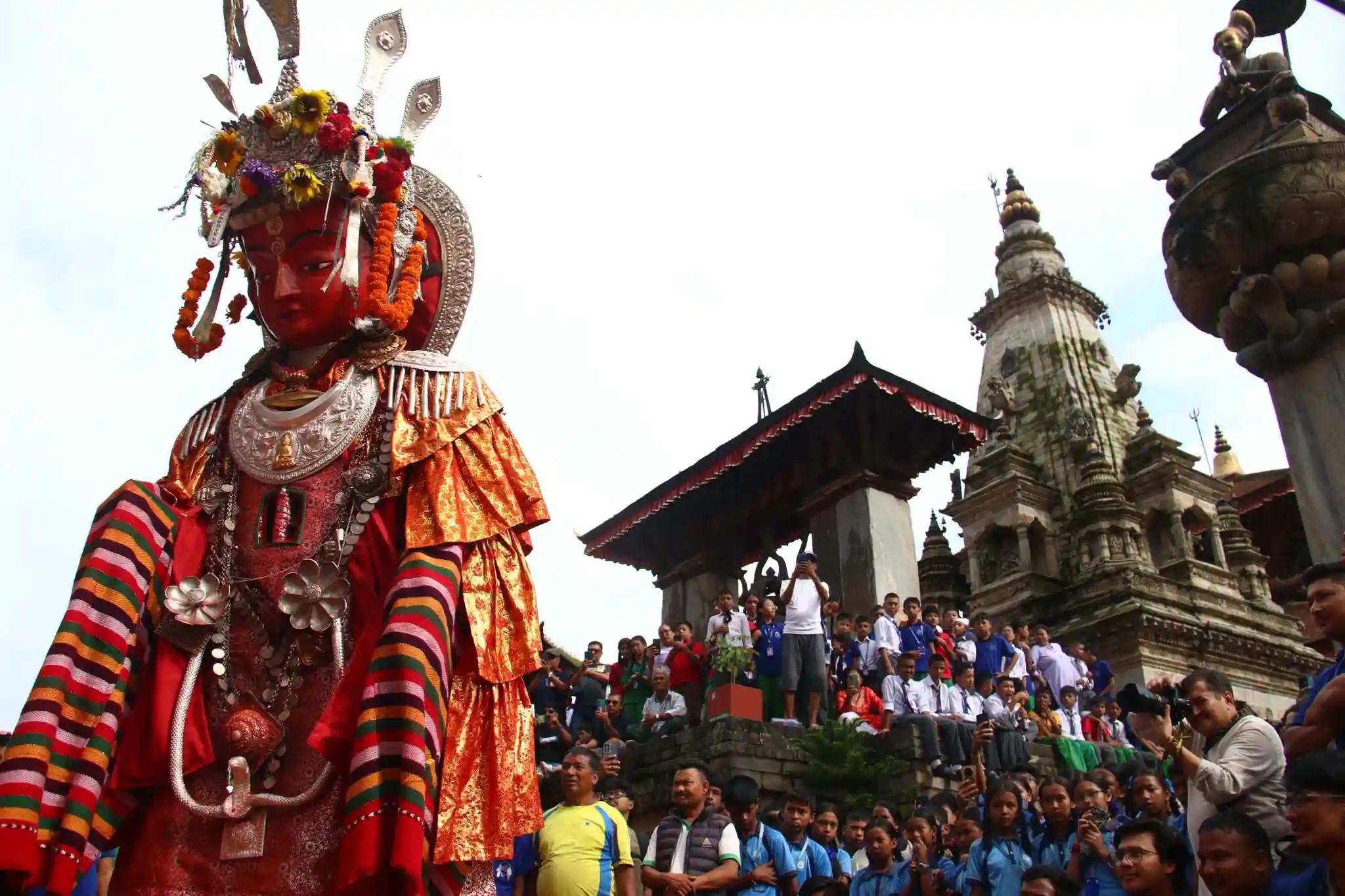
Legend traces Panjaran Dan to King Sarvananda's invitation of Dipankar Buddha to his palace.
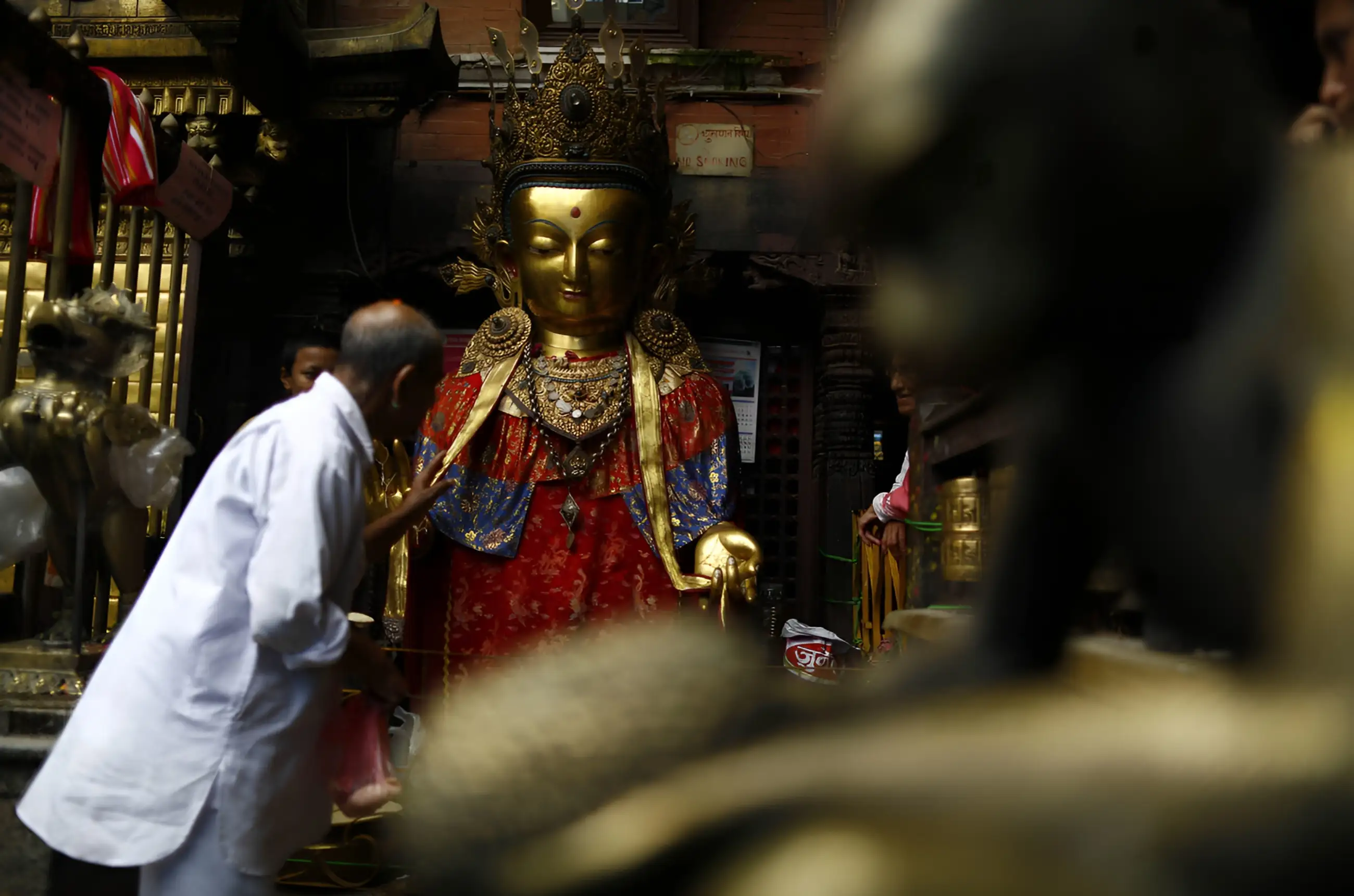
According to Bajracharya priests of Hanuman Dhoka, King Sarvananda invited Dipankar Buddha to a palace meal and prepared a large donation. On his way, Dipankar Buddha met a poor widow, Laxmi Thaku of Patan, and valued her modest gift above the king's wealth. No dated inscription confirms this account, and Newa chroniclers themselves record it as oral legend rather than settled history.
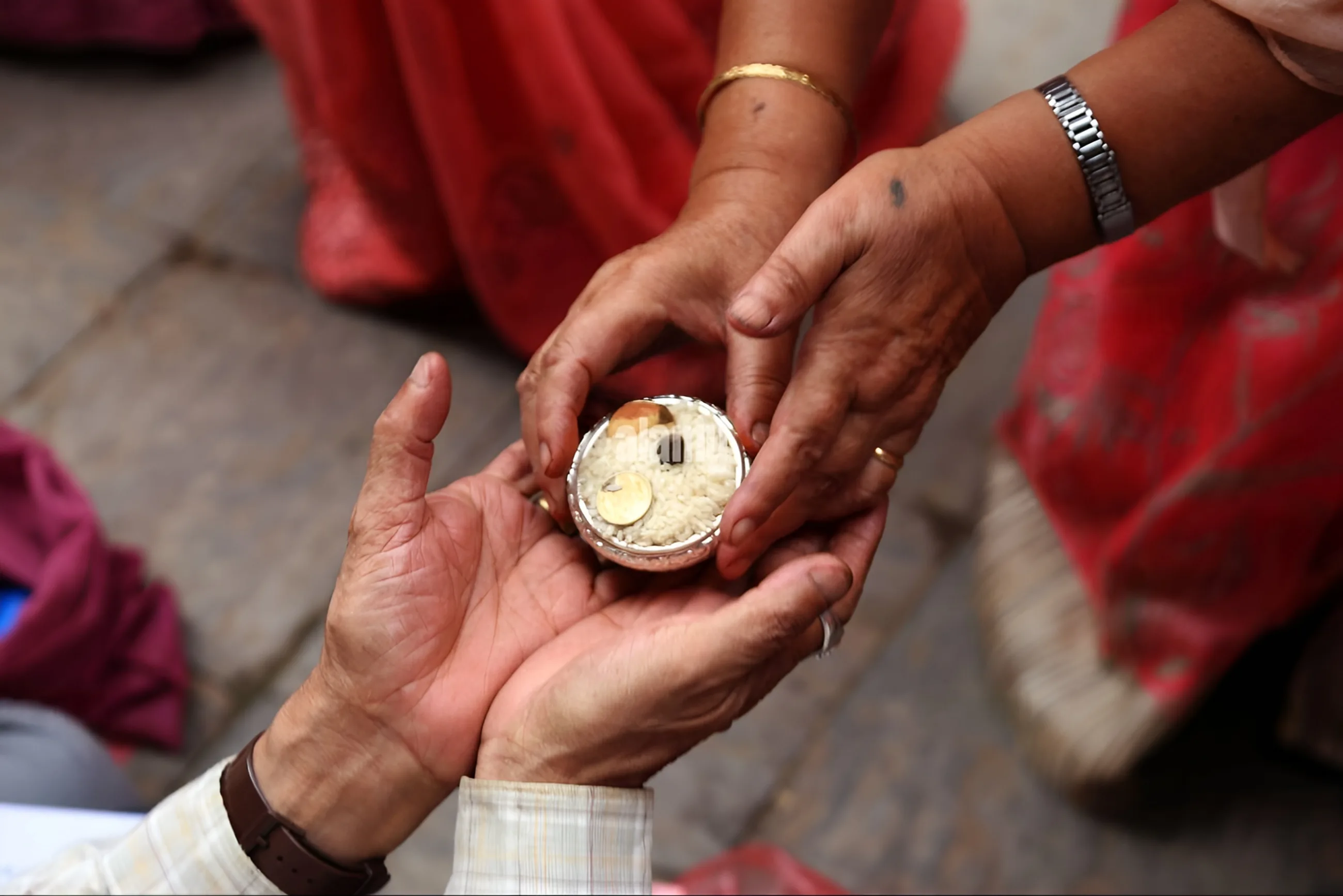
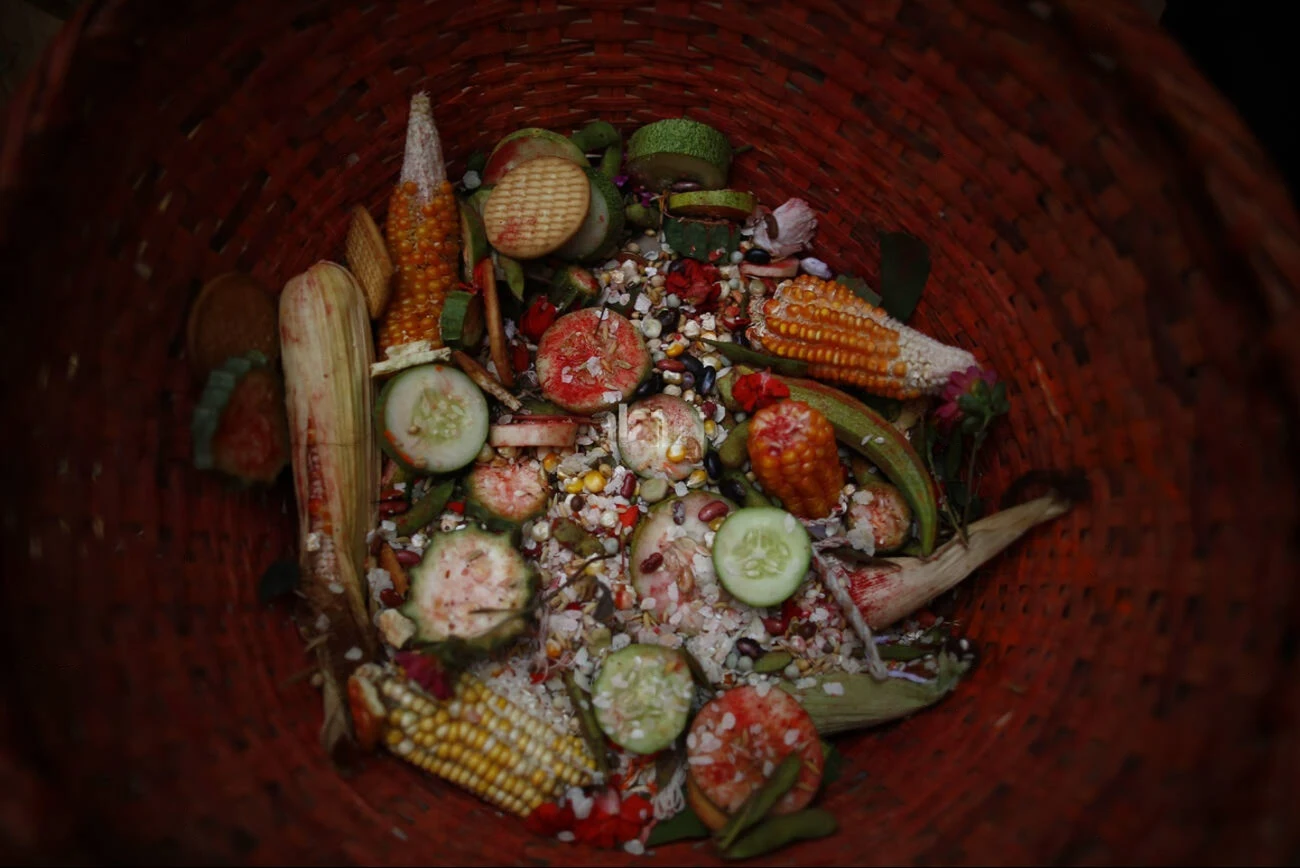
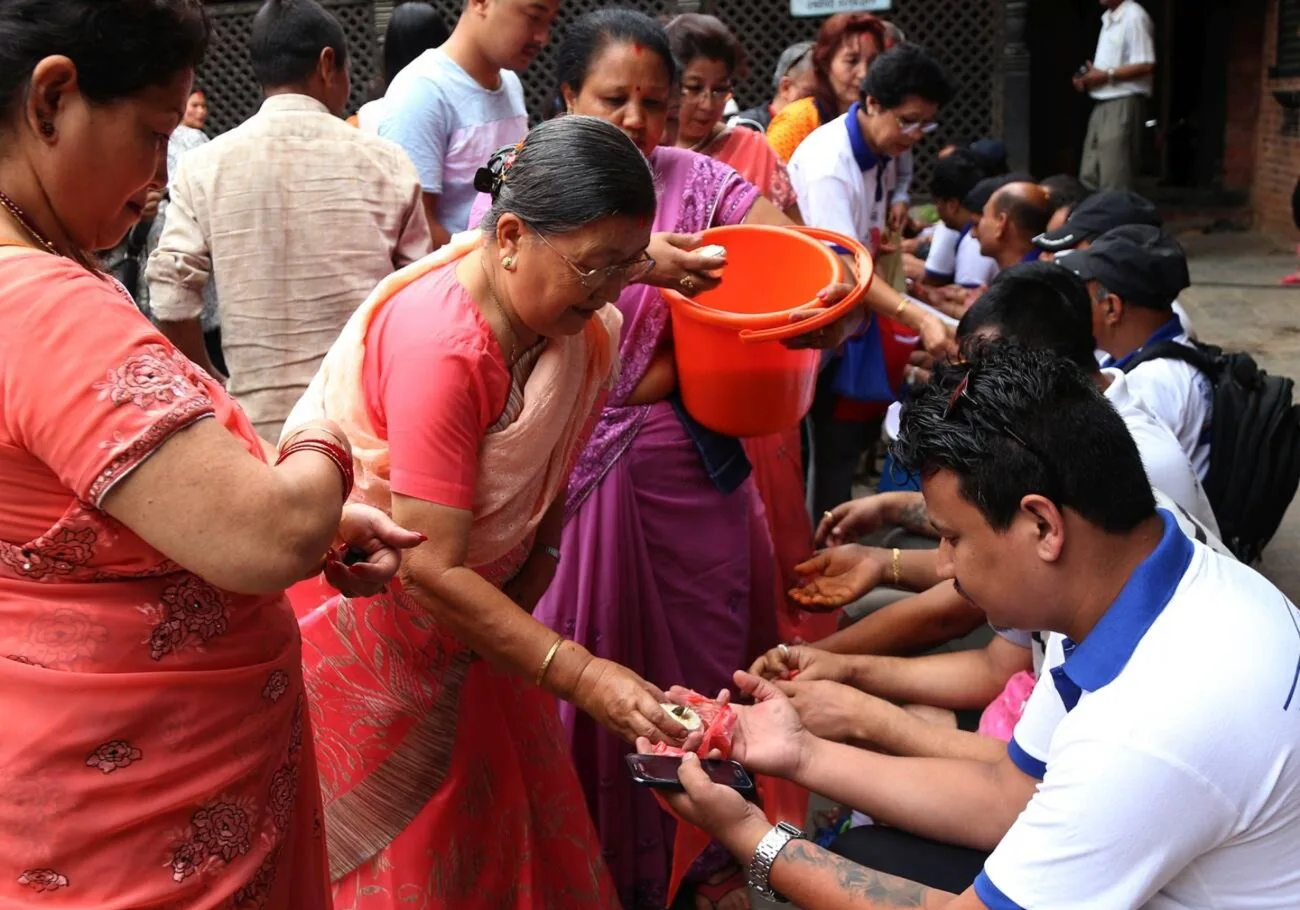
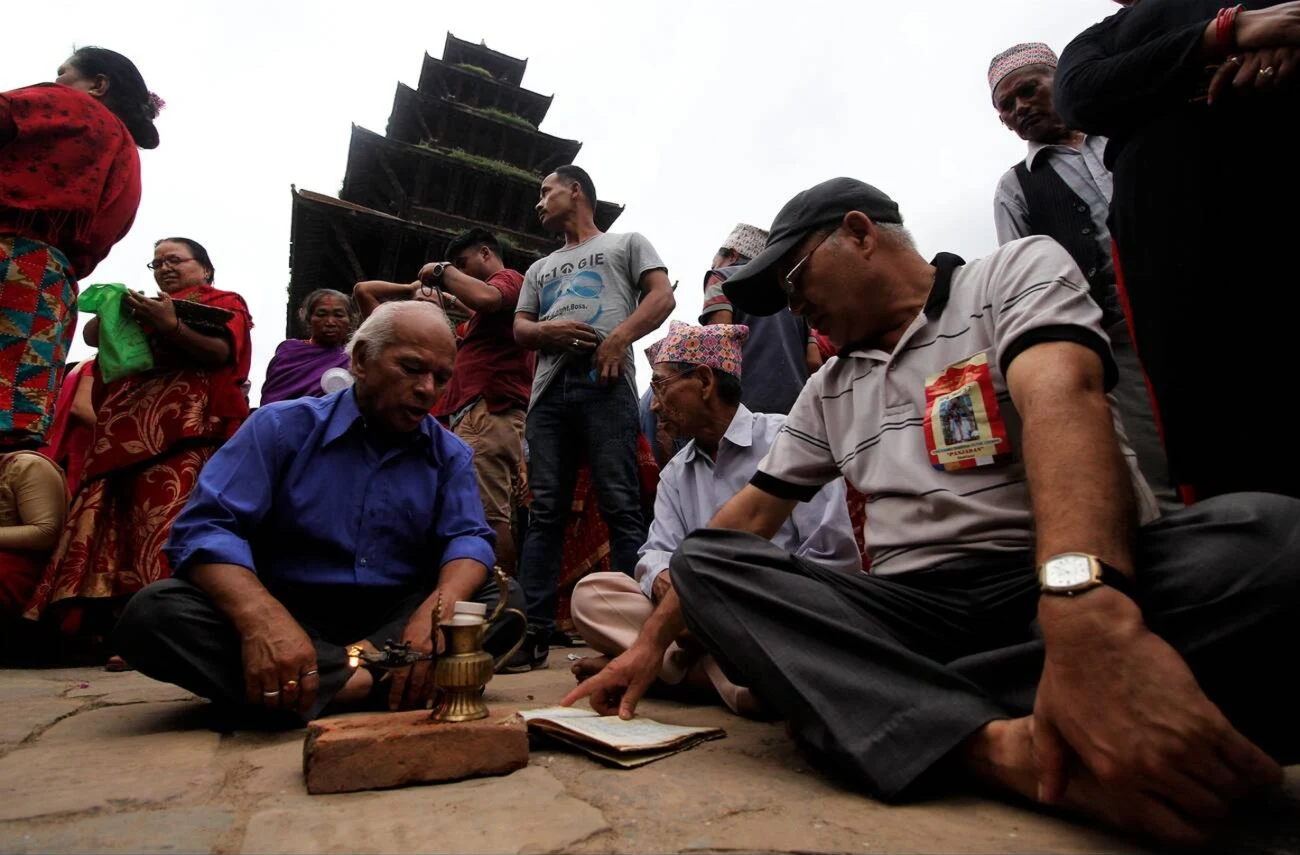
On Bhadra Krishna Trayodashi, priests collect five donated items door to door.
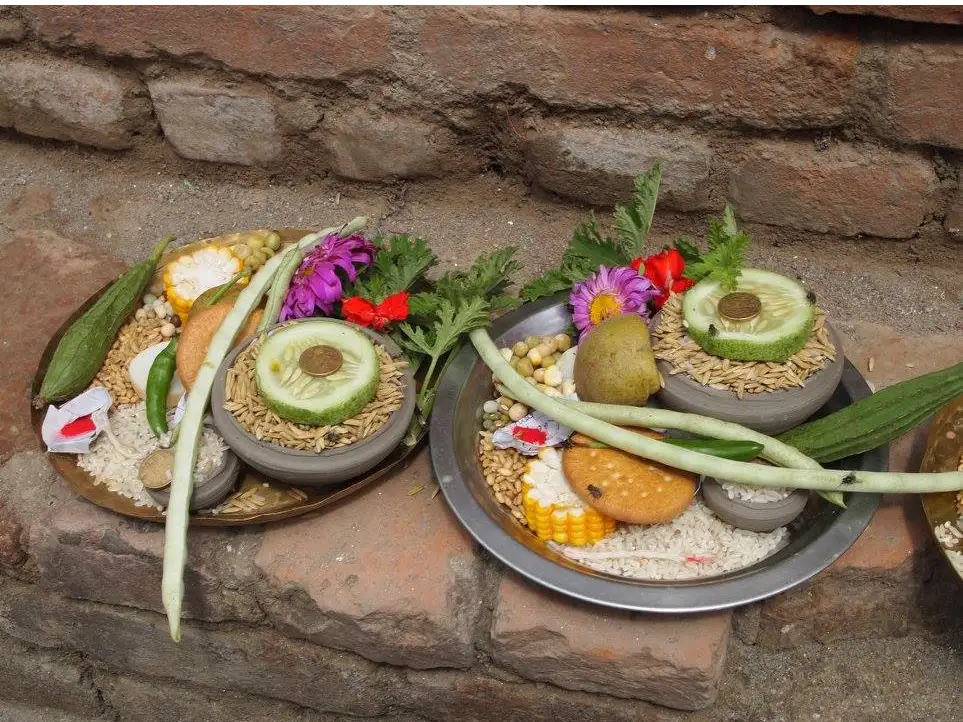
Shakya and Bajracharya priests walk from bahal to bahal, receiving wheat, rice, salt, money, and fruit into a pindapatra bowl. Sources vary on the fifth item, some record pulses or unhusked rice in place of fruit. Priests, not monks, now receive the alms because Nepal's monastic Sangha has been extinct for centuries.
700 +yrs
Patan tradition documented
5 items
Sacred materials donated
A poor widow's small gift outweighed a king's wealth in Dipankar Buddha's eyes.
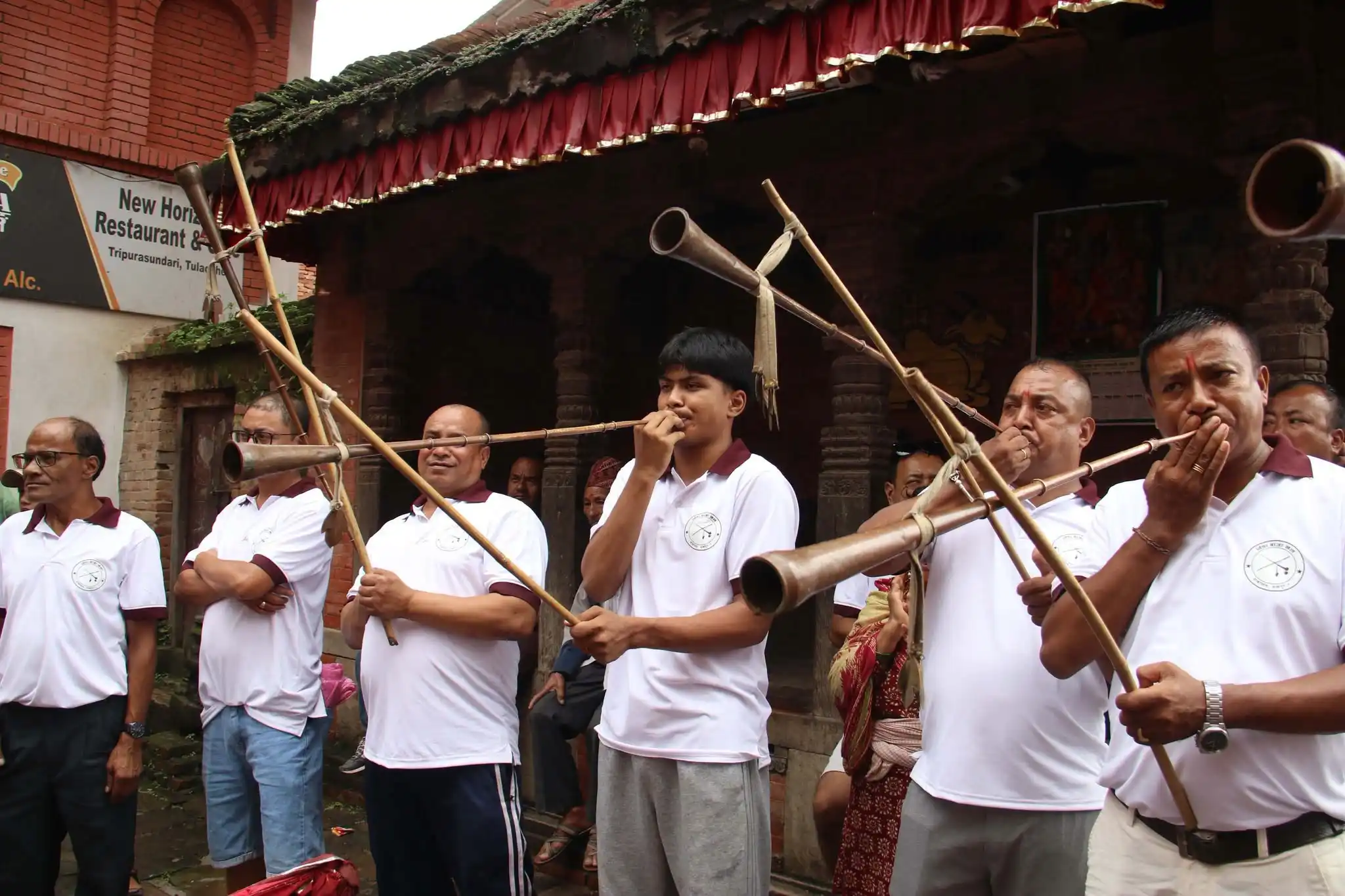
Guthi trusts still fund Panjaran Dan across the Kathmandu Valley today.
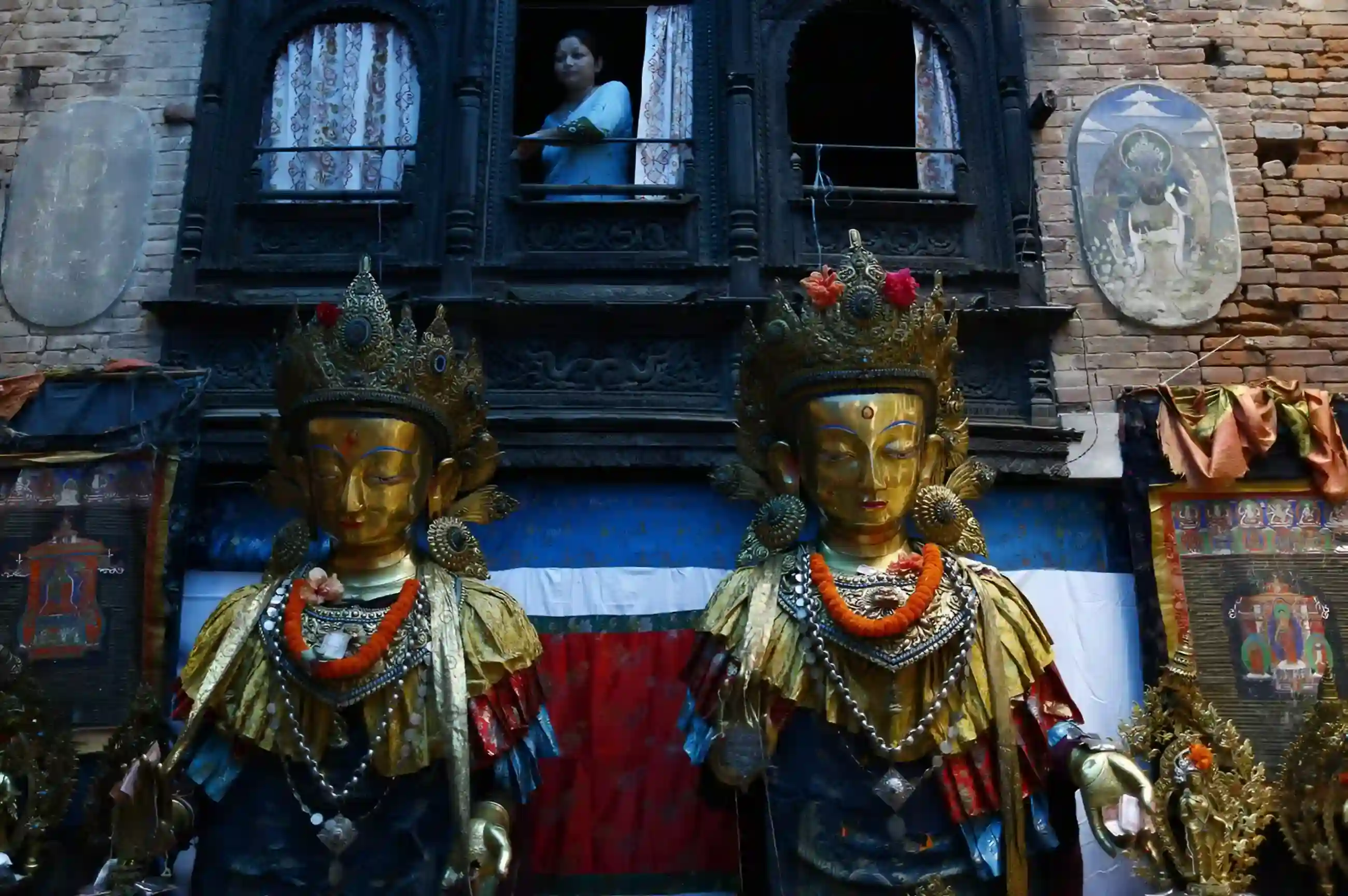
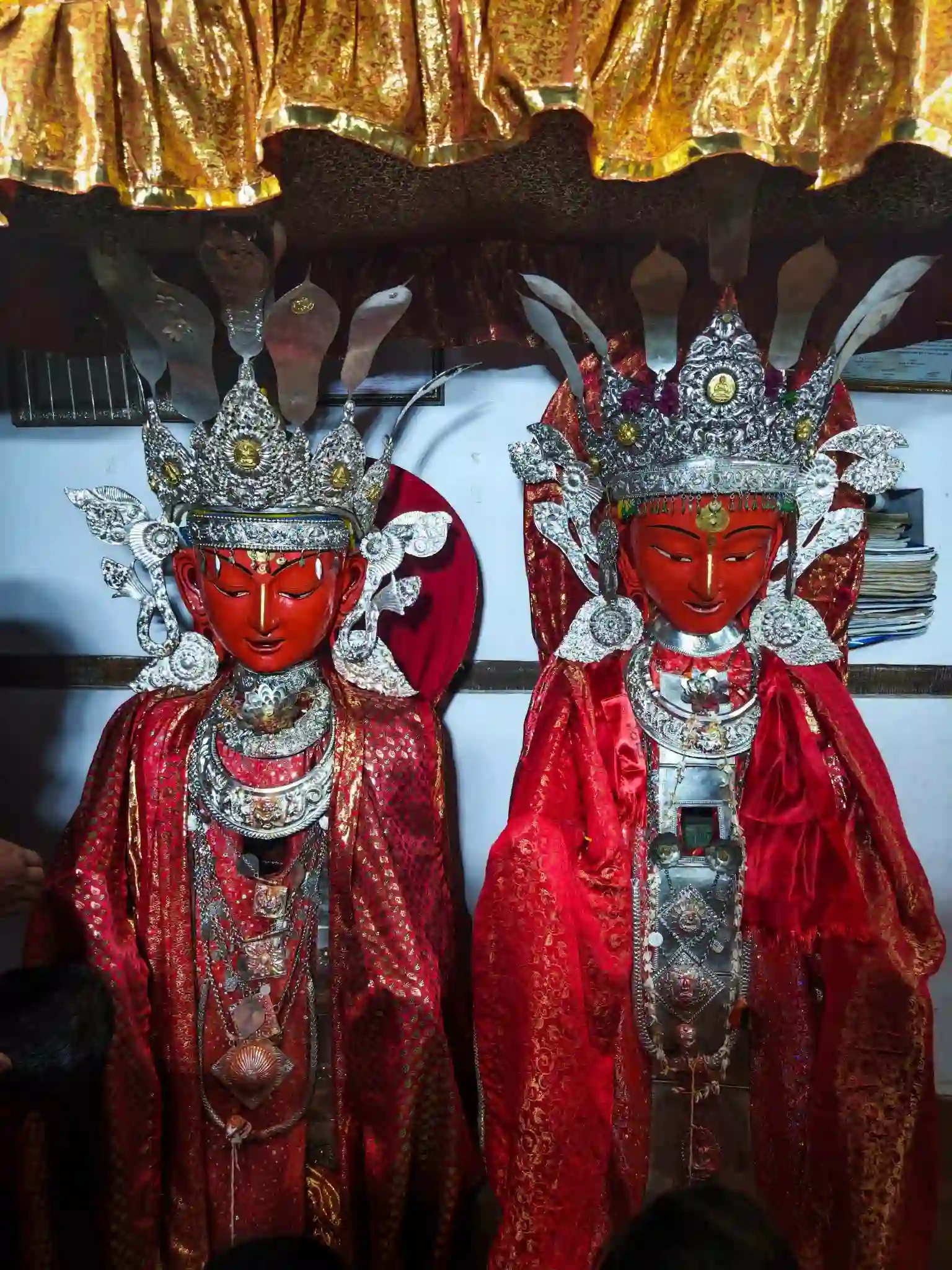
In Bhaktapur, family Guthis such as the Chitrakars of Tachapal and the Vaidyas of Inacho fund the festival's donations each year. Dipankar Buddha effigies are still paraded through Newa towns of the valley on the same lunar date each year. The core practice, giving five essential materials to Shakya and Bajracharya priests, remains unchanged from the accounts recorded a century ago.