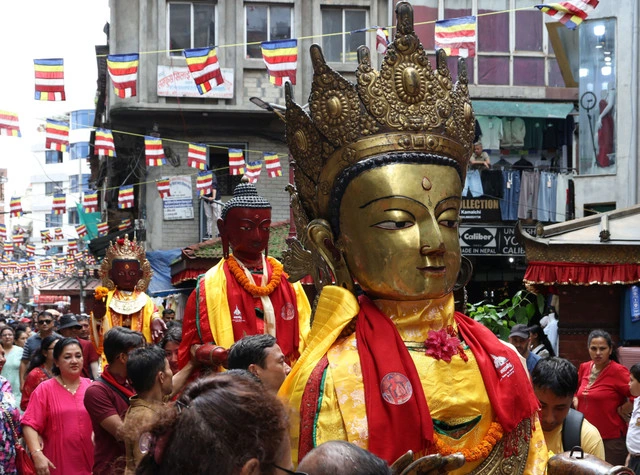
Bwongya
Festival
Author
Kapil Sainju
Published
29 Jul, 2026
Bwongya, the Samyak Mahadan of Mahabouddha, began circa 1015 AD as an act of mass alms giving.
This article covers Bwongya as observed in Kathmandu district, centered on Mahabuddha Mahavihar. It traces the festival from its earliest Licchavi era accounts through its Malla period reorganization, when the Kathmandu observance settled into a twelve year interval.
The account draws on Nepal Sambat chronology, oral tradition recorded through Samyak Guthi organizers, and recent reporting on the festival's Kathmandu revival. Where sources disagree on origin, both versions are stated rather than resolved.
Bwongya at Mahabouddha continues a Newa Buddhist alms tradition dated to the Licchavi era.
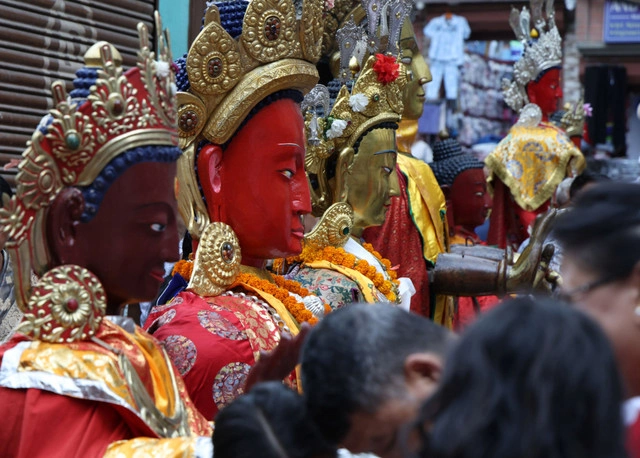
The festival gathers Dipankara Buddha images at Mahabuddha Mahavihar for public offering. It marks one of the three Samyak observances in the valley, alongside Patan and Bhaktapur, each following its own interval.
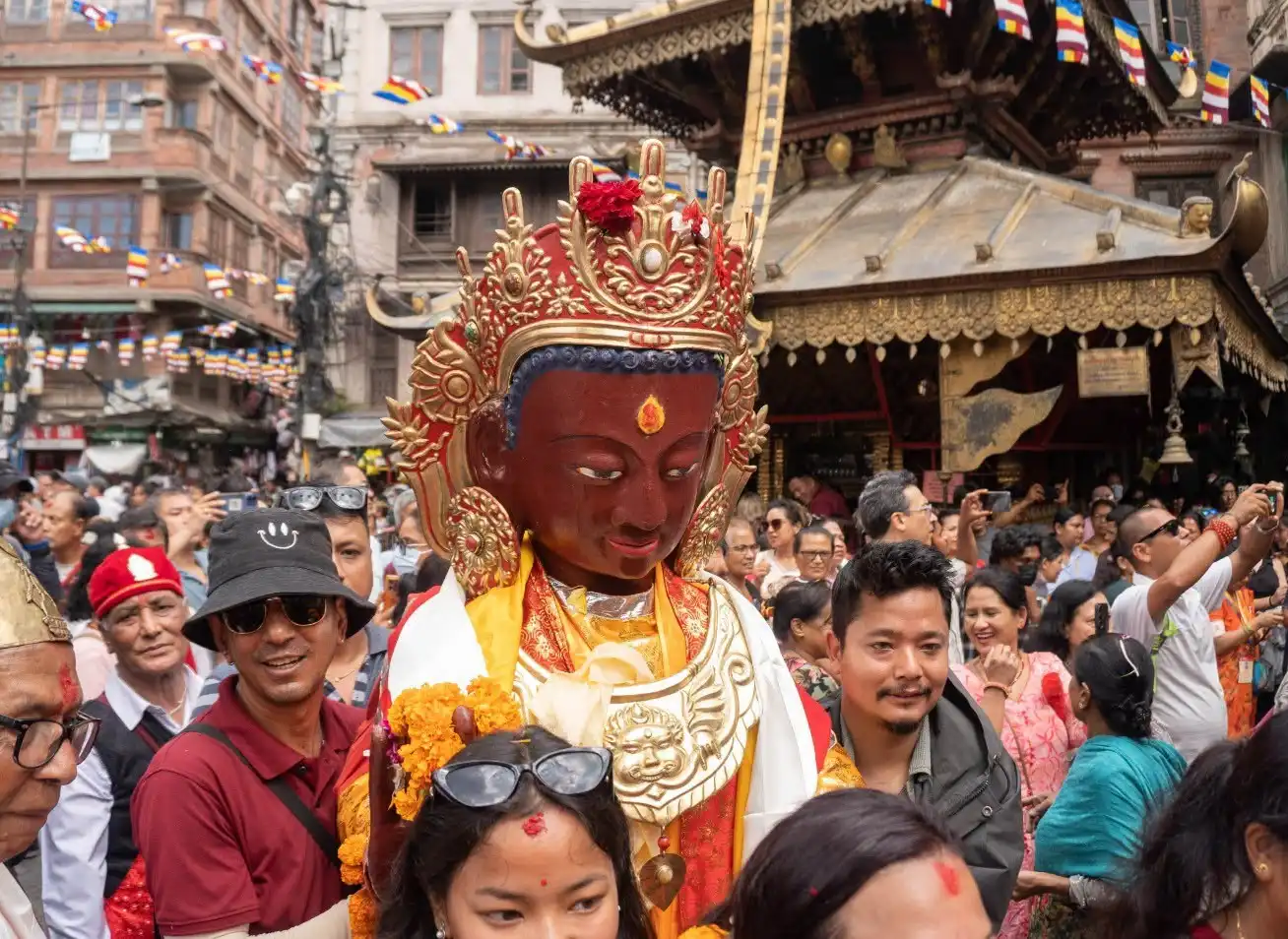
Two accounts explain the origin of Samyak Mahadan, and they do not agree.
One account places the first ceremony in the sixth century AD, when a merchant named Sunder Sarthabahu invited Buddha idols from valley monasteries under King Brishadeva. A separate account credits a Thakuri prince, Bharibharo, son of King Bhaskar Dev, who is said to have organized the first Samyak near Nepal Sambat 135, or 1015 AD, after his stored cow dung turned to gold.
Kathmandu's twelve year interval has not been kept since 2003.
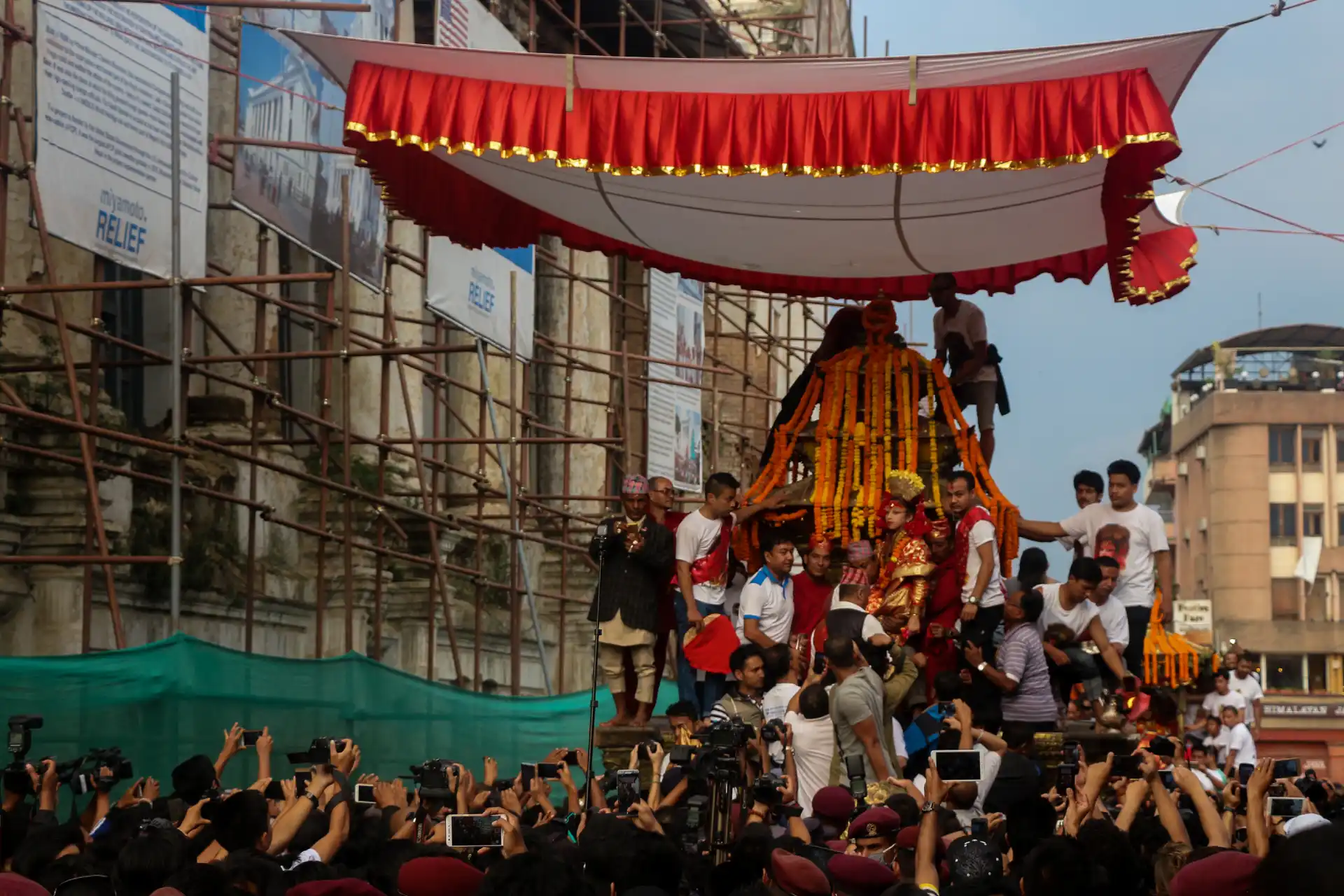
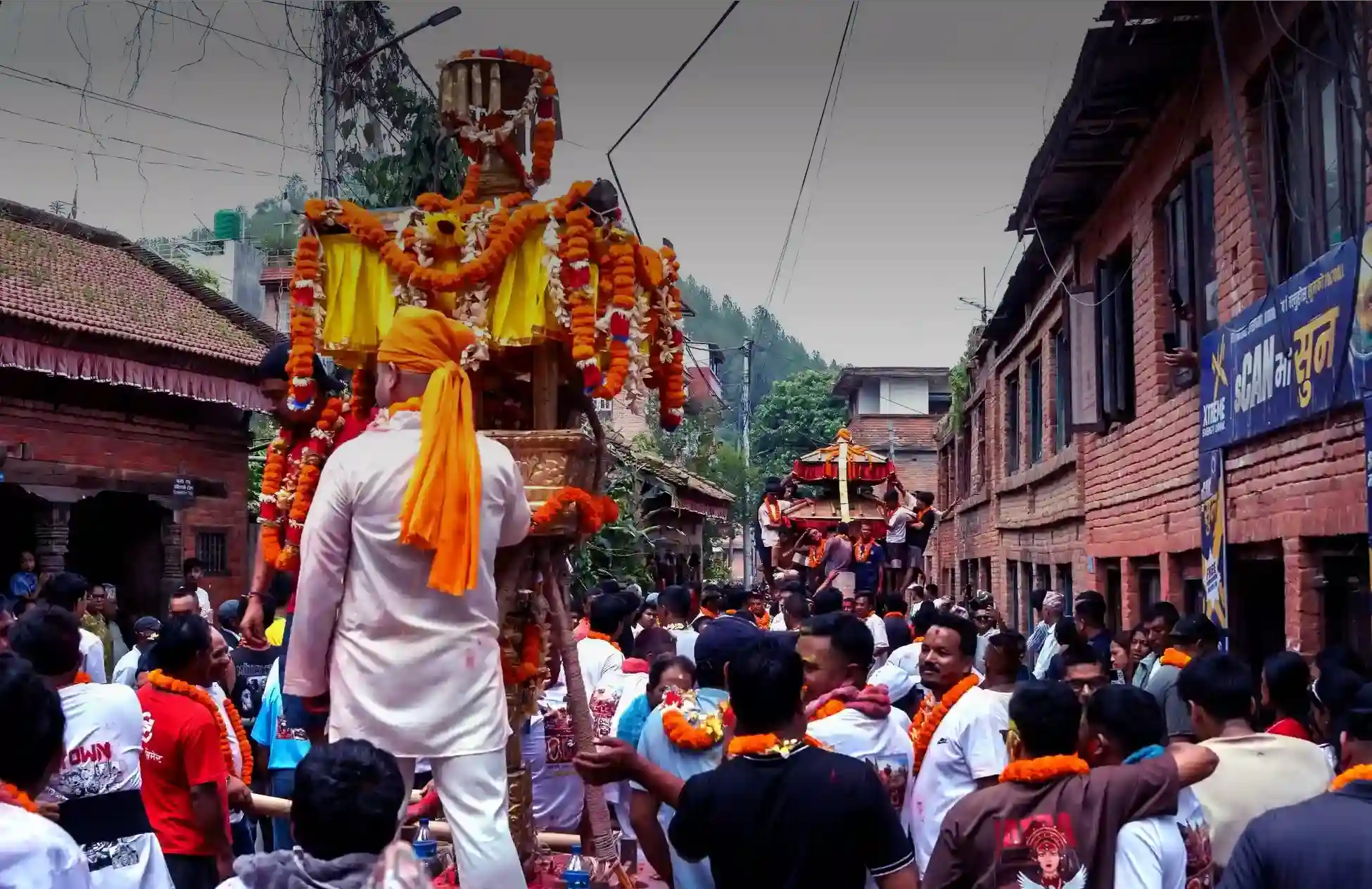
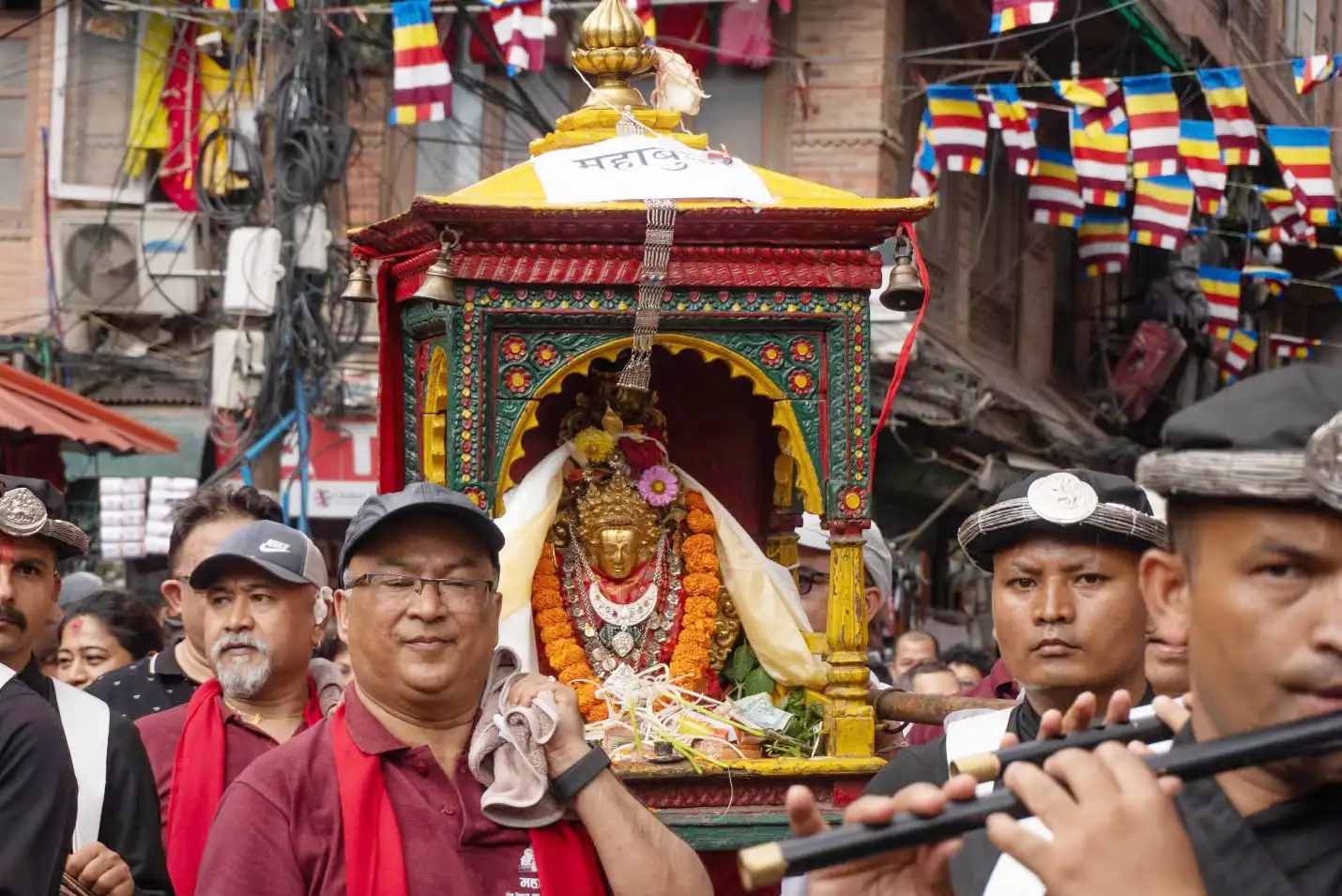
The Kathmandu Samyak Mahadan follows a twelve year cycle by tradition, unlike Patan's five year and Bhaktapur's annual observance. The last full Kathmandu festival was held in 2003, and organizers at Mahabuddha Mahavihar planned a Panchadana offering and Dipankara procession for Shrawan 13, 2026, coinciding with Guru Purnima, to restore the practice.
12 yrs
Kathmandu interval
5 yrs
Patan interval
1 yrs
Bhaktapur interval
Bwongya remains Kathmandu's largest single act of collective alms giving to Dipankara Buddha.
The 2026 Mahabuddha ceremony marks an attempt to restore a lapsed cycle.
After twenty four years without a full Kathmandu observance, Ward 27 organizers and Kathmandu Metropolitan City backed a renewed Panchadana ceremony at Mahabuddha. Whether the twelve year cycle resumes on schedule depends on continued support from the Samyak Guthis and the ward administration.