Naag Panchami
Festival
Author
Kapil Sainju
Published
19 Aug, 2026
Naag Panchami falls on the fifth day of Shrawan's bright fortnight.
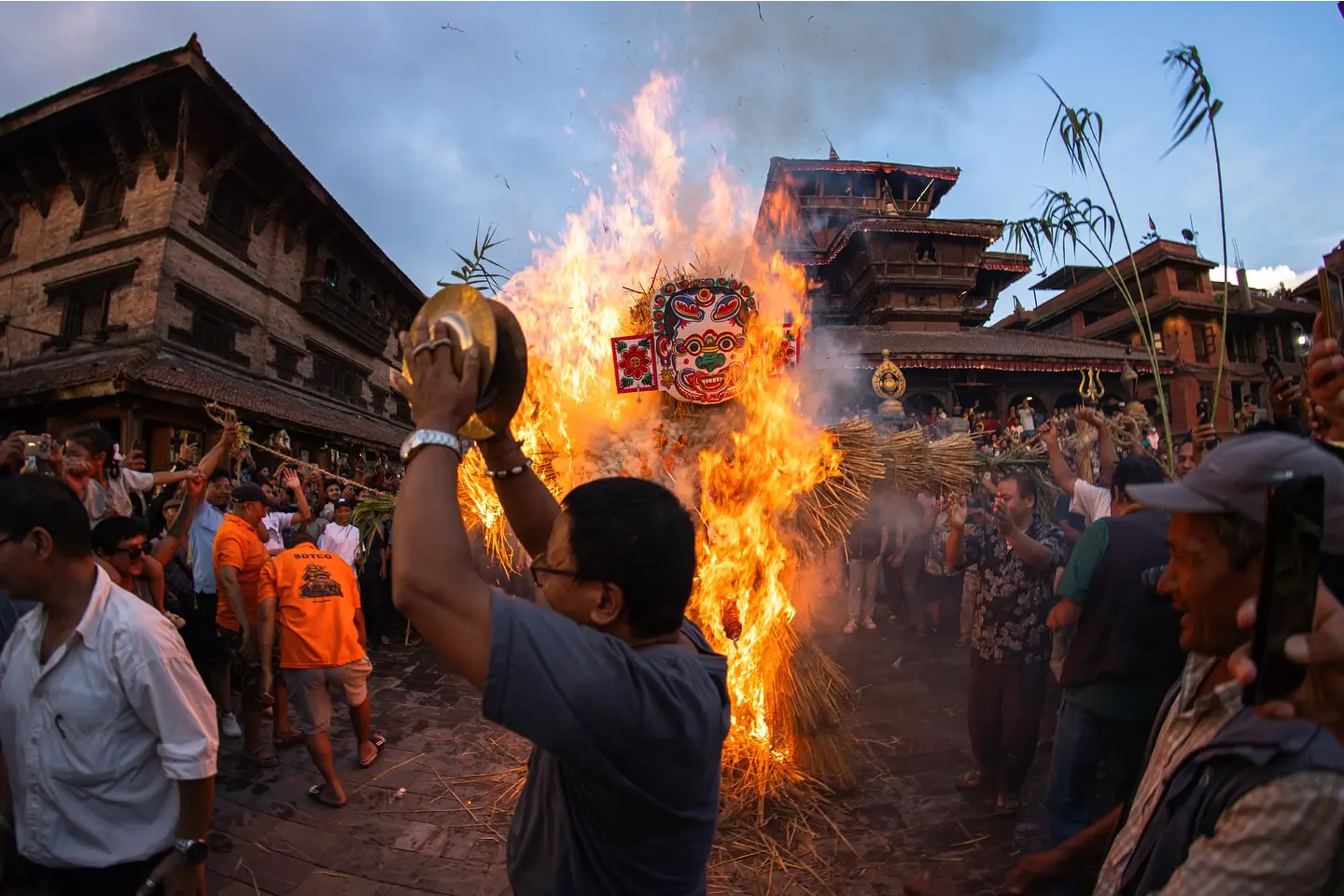
The article covers Newa Hindu, Buddhist, and Jain observance in Kathmandu, Patan, Bhaktapur, and it's surrounding drawing on both the mythic Satya Yuga origin story and the historical record from the 17th century onward. It focuses on ritual practice at home shrines, temple sites, and the valley's named Naag ponds.
Research draws on Bajracharya oral tradition texts, including Mana Bajra Bajracharya's 1968 record of Nepali festivals, temple accounts from Changu Narayan and Pashupatinath, and cross reference with Nepal Tourism Board and published academic material on Naag Panchami ritual practice.
Naag Panchami falls on the fifth day of Shrawan's bright fortnight.
The date follows the Nepali lunar calendar, in the month of Shrawan, during monsoon season. Newa households alongside wider Hindu, Buddhist, and Jain communities across Nepal observe the day with fasting, temple visits, and doorway rituals rooted in centuries of serpent worship.
Manjushree's draining of the valley lake angered the resident
According to Newa Buddhist oral tradition, Manjushree cut open Chovar gorge to drain the valley's primordial lake, forcing the Naag kings from their home. He calmed their anger by creating ponds, including Taudaha, drawn from Mana Bajra Bajracharya's 1968 record of Nepali festivals.
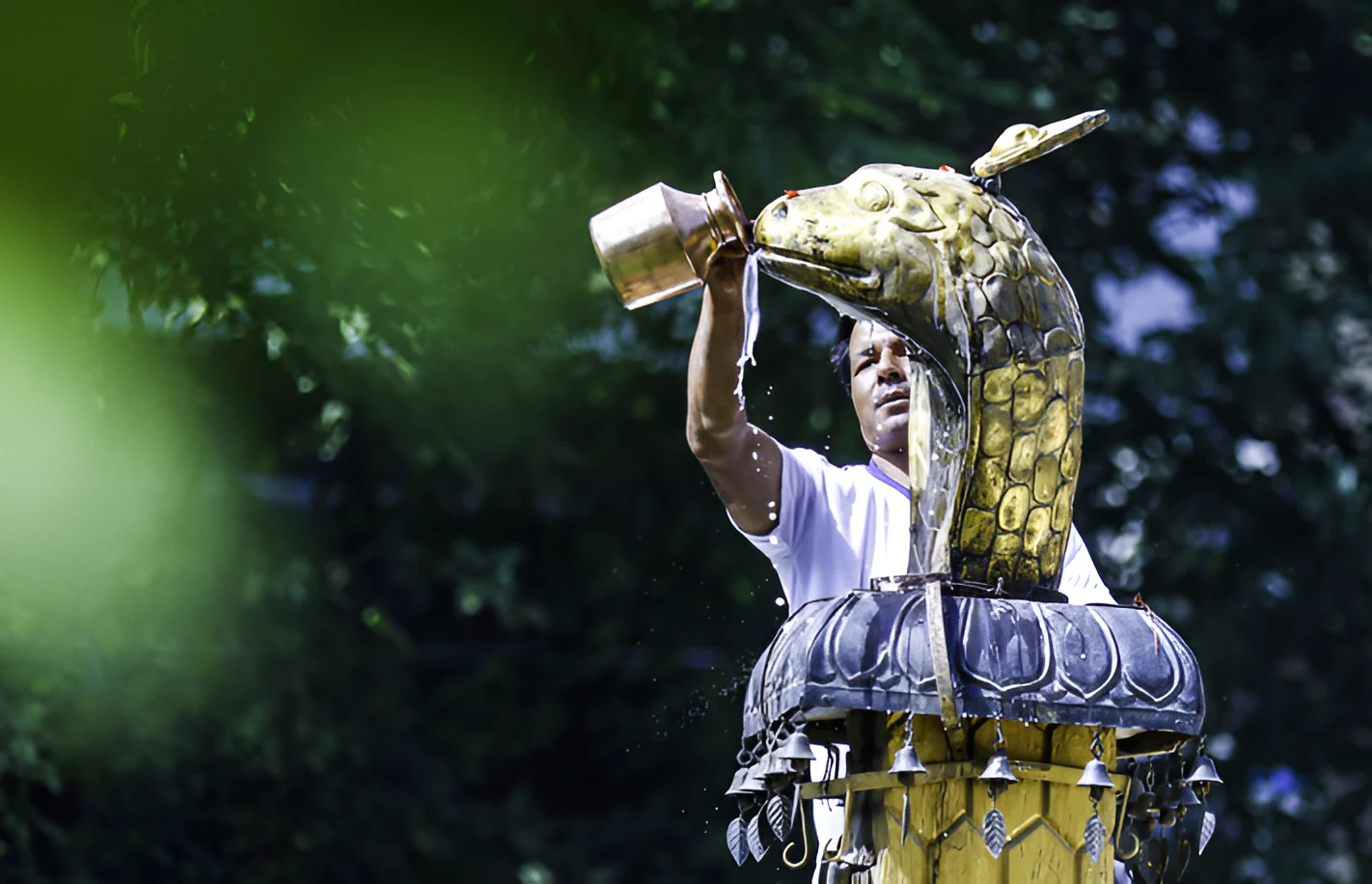
Household ritual comes first, temple and pond worship follows at dawn.
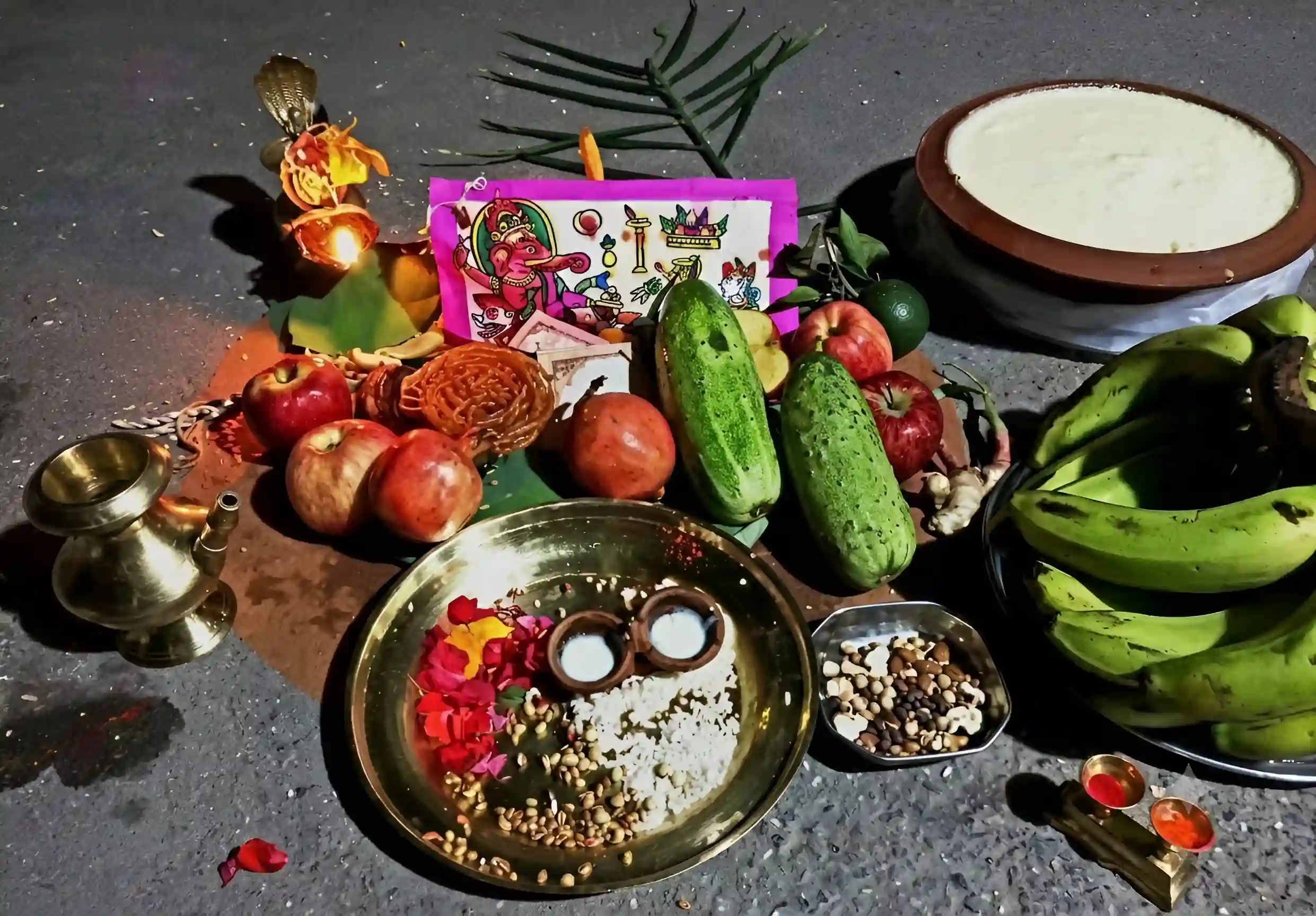
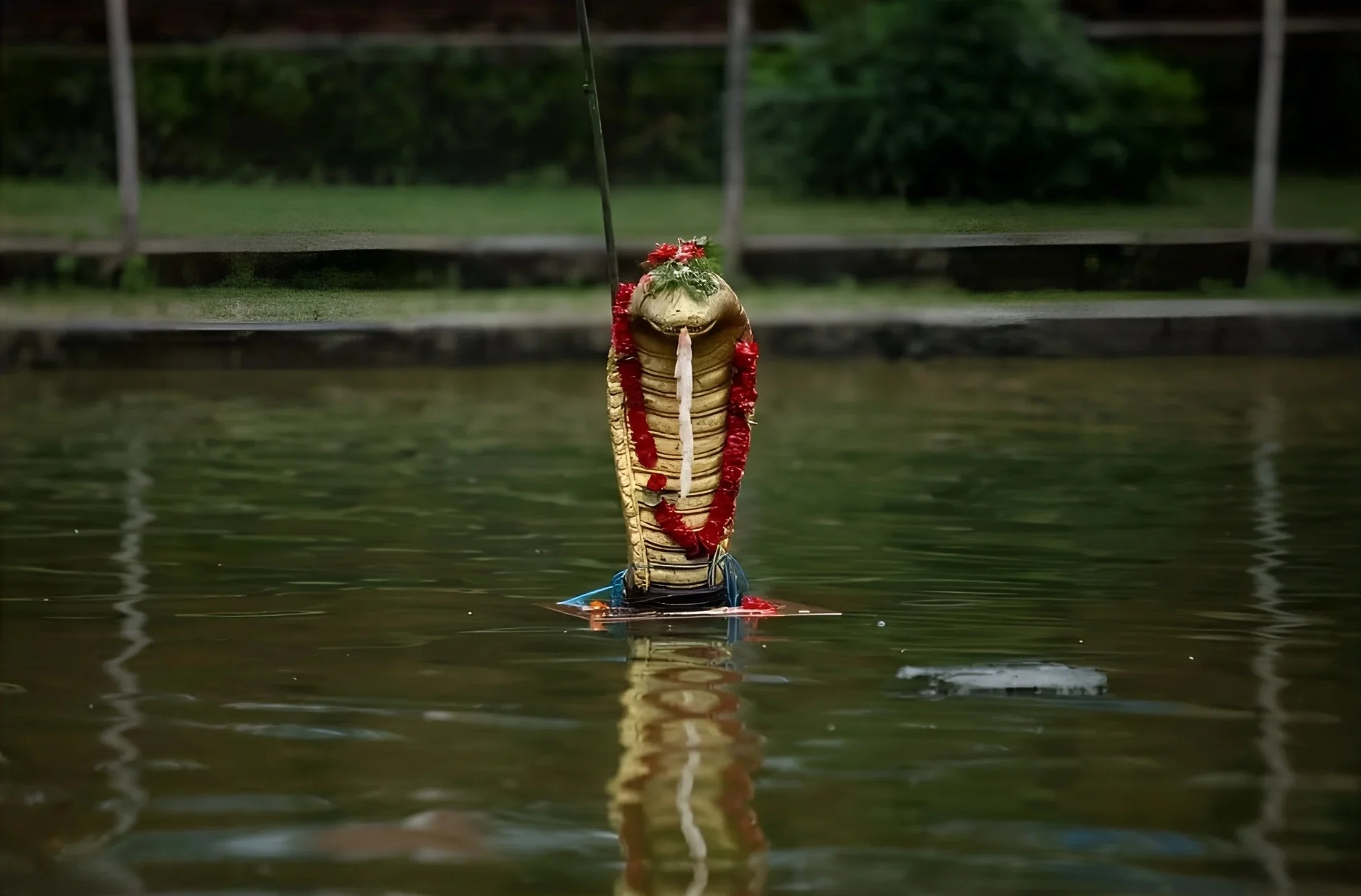
Before sunrise, the family head or a priest cleans the door lintel and pastes a Naag image above it using cow dung as adhesive. Devotees then travel to Naag Pokhari, Taudaha, or Nagdaha to offer milk, dubo grass, and sindur at the ponds believed to house Naag kings.
125 ft
Nag Pokhari
Built in the 17th century by Queen Subarna Prabha, the Naxal pond measures 125 by 65 feet.
8 of 12
Naags Worshipped
Scripture names twelve Naag deities, but only eight, including Vasuki and Takshak, receive puja on this day.
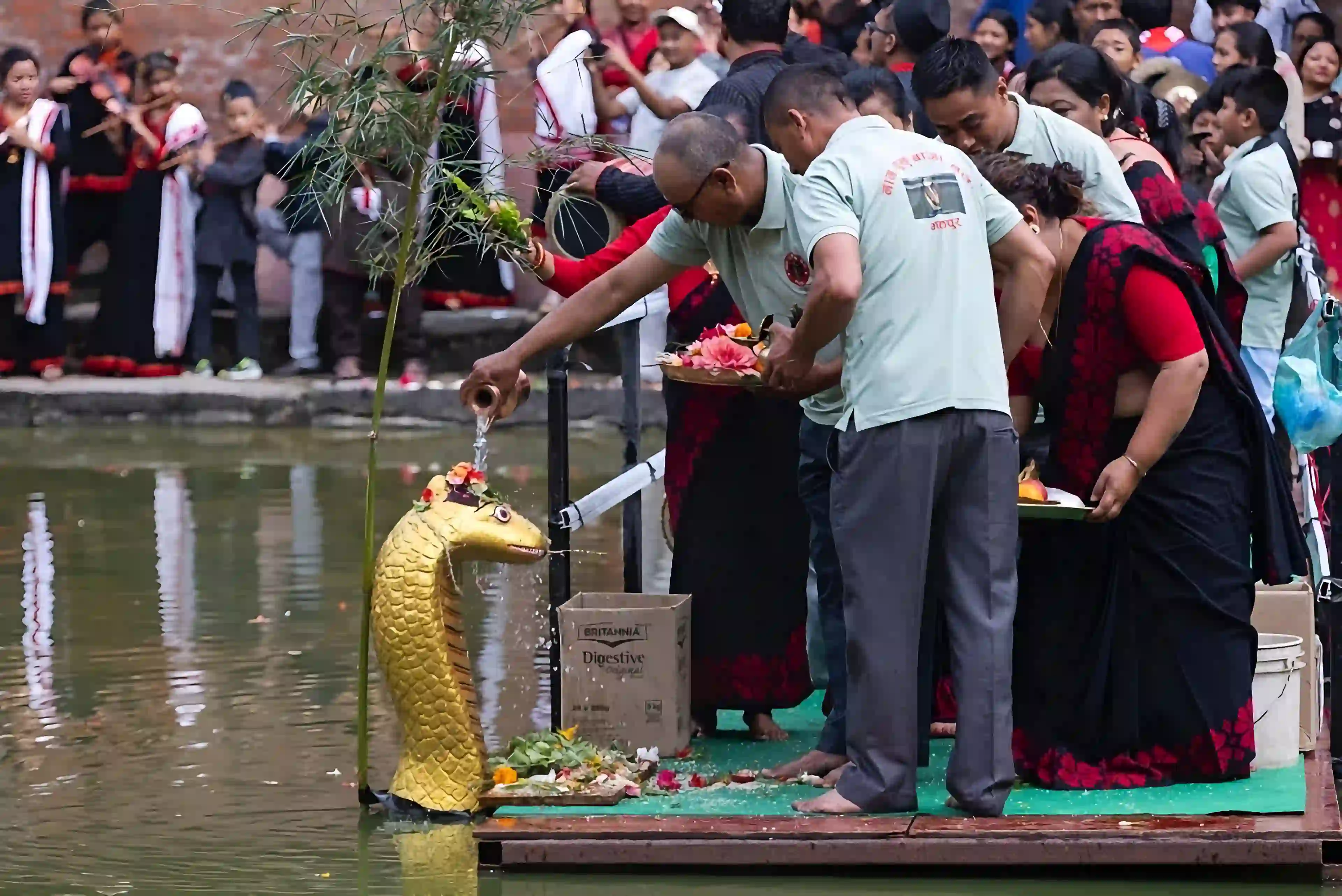
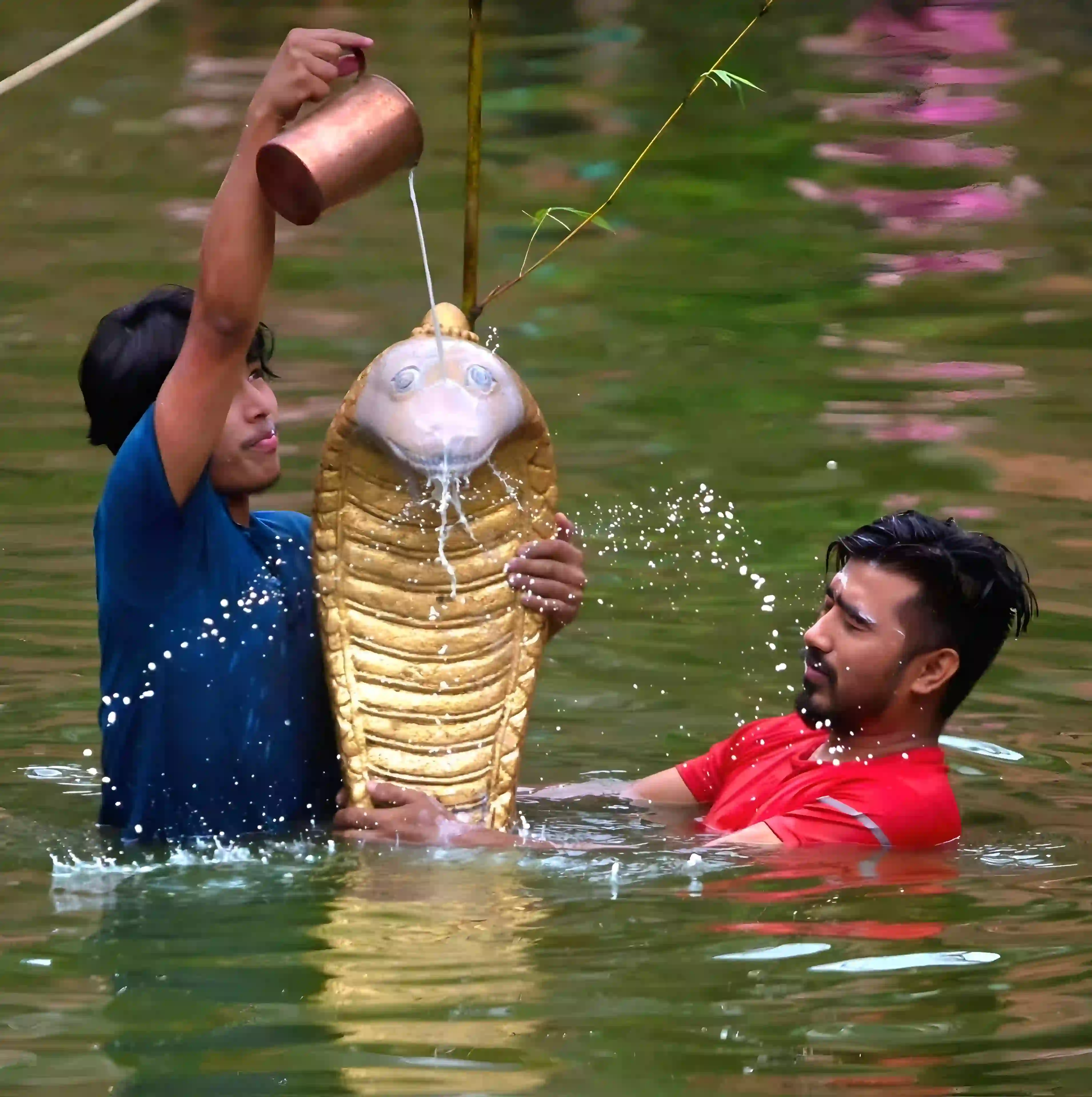
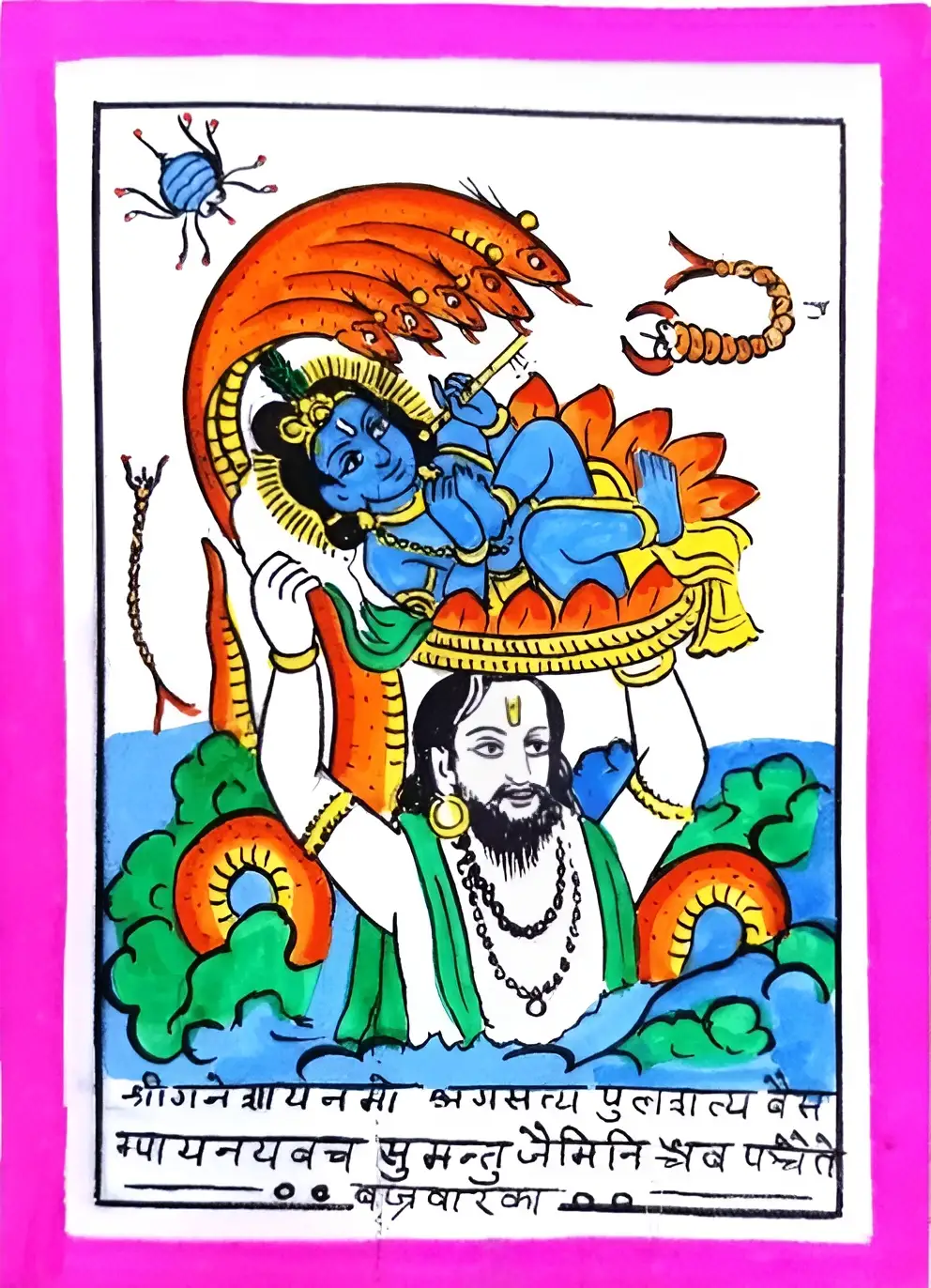
Naag Panchami converts fear of drought and snakebite into structured worship of water.
The doorway ritual continues in Kathmandu households practicing it each Shrawan.
Families across the valley still paste Naag images above their doors and visit Naag Pokhari, Taudaha, and Nagdaha each Shrawan. Live snake charming at the ponds has declined, yet builders still avoid disturbing a Naag's resting place when siting new foundations.