Panauti Jatra
Festival
Author
Kapil Sainju
Published
23 Jun, 2026
Panauti's nine-day chariot festival enacts a deity mating ritual at Layaku Darbar each Jestha Purnima.
The festival is observed annually in Panauti, Kavrepalanchok District, 32 km southeast of Kathmandu, at the confluence of the Punyamati and Roshi rivers. Preparations begin on Sithi Nakha and the main chariot procession runs for three days centered on the full moon of Jestha, typically falling in June during the paddy-planting season.
Panauti has served as a ritual center since at least the Lichhavi period.
Inscriptions from the reign of Shivdev I, dated 655 BS, confirm Panauti's administrative and religious significance during the Lichhavi era. The town sits at the confluence of the Punyamati and Roshi rivers, a Triveni Ghat locals call Uttar Prayag, which drew pilgrims and established the site's sacred status before the Malla kings built its major temples.
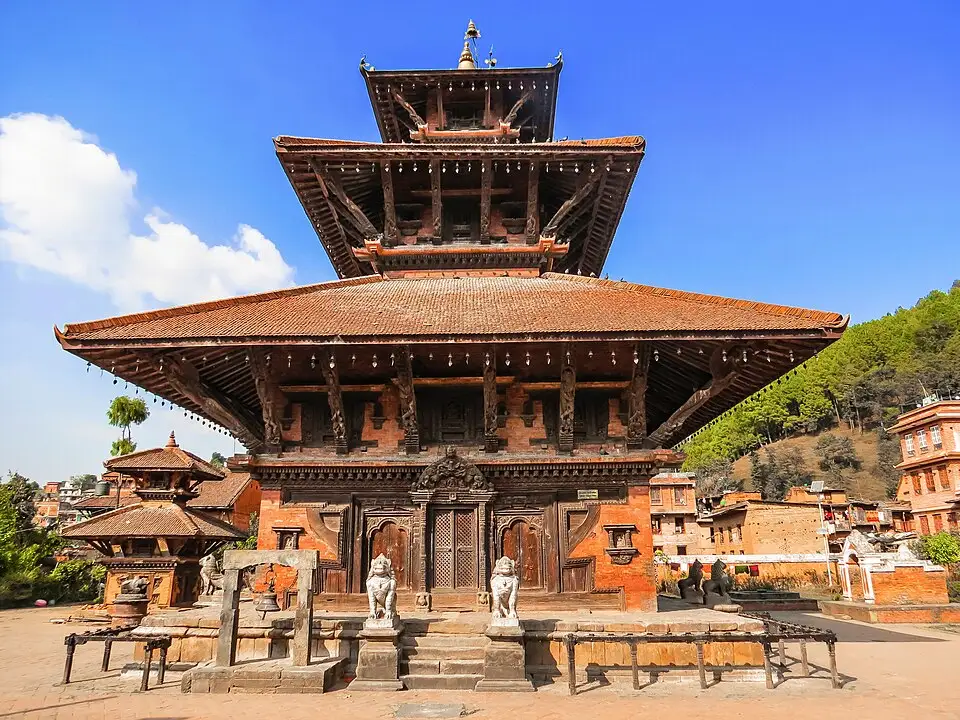
The Indreshwor Mahadev temple, built from 1294 CE, is the ritual anchor of Jya Punhi.
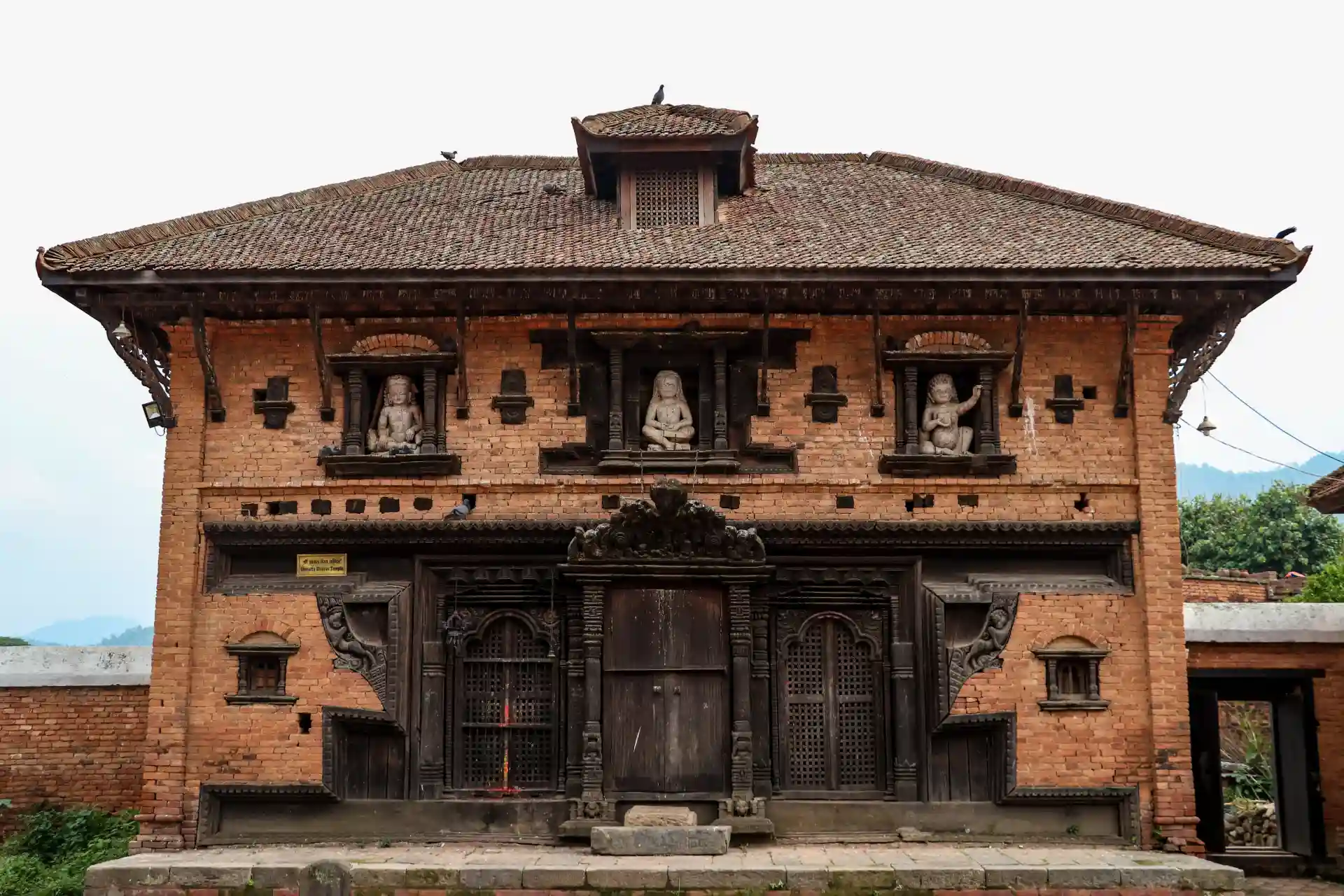
Construction of the temple was commissioned by Princess Biramadevi of Panauti in 1294 CE and completed with the golden pinnacle gifted by King Jayasingh Ramvardhan in 1383 CE, as recorded in the Gopalarajvamsavali chronicle. The Unmatta Bhairav temple within the same precinct dates to the 16th century and houses the chariot deity central to the fertility ritual.
The nine day sequence begins on Sithi Nakha, not on the full moon day.
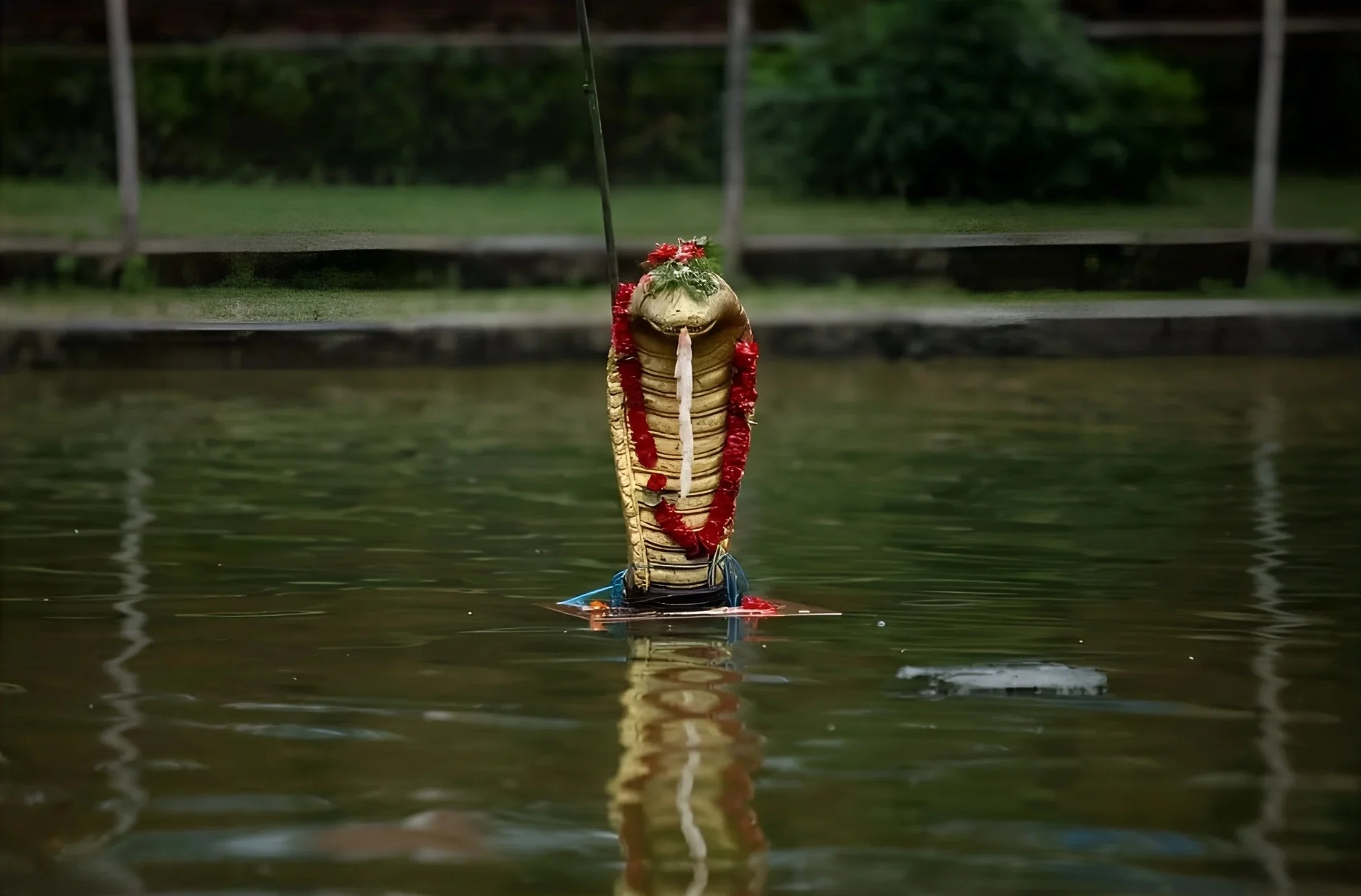
From Sithi Nakha, residents clean the town, build the chariots, and make morning worship rounds as a group for nine days. Signaled by a swift whirlwind, Vasuki Nag arrives in Panauti to kick off the nine days Jya Punhi festival. The celebrations conclude three days past the full moon when the gods return to their temples, ushering in the steady monsoon rains.
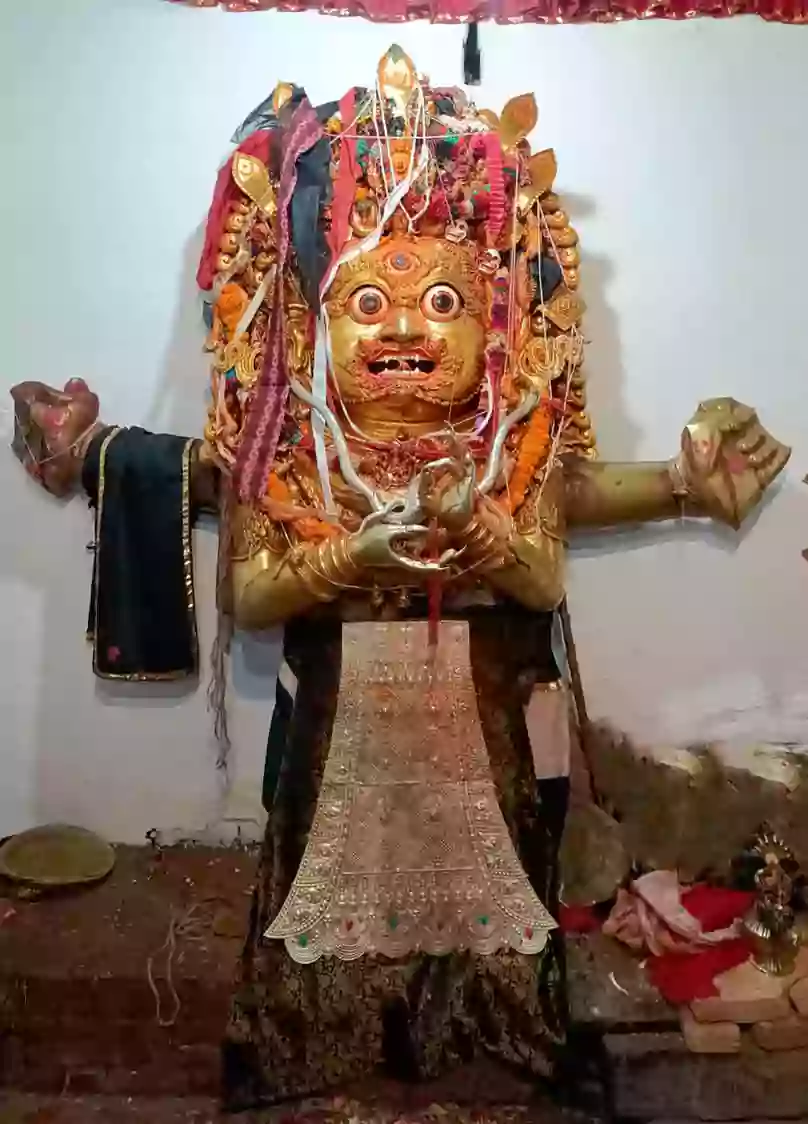
Duin Cha Nyaya Kegu: The Sacred Procession to Brahmayani Temple
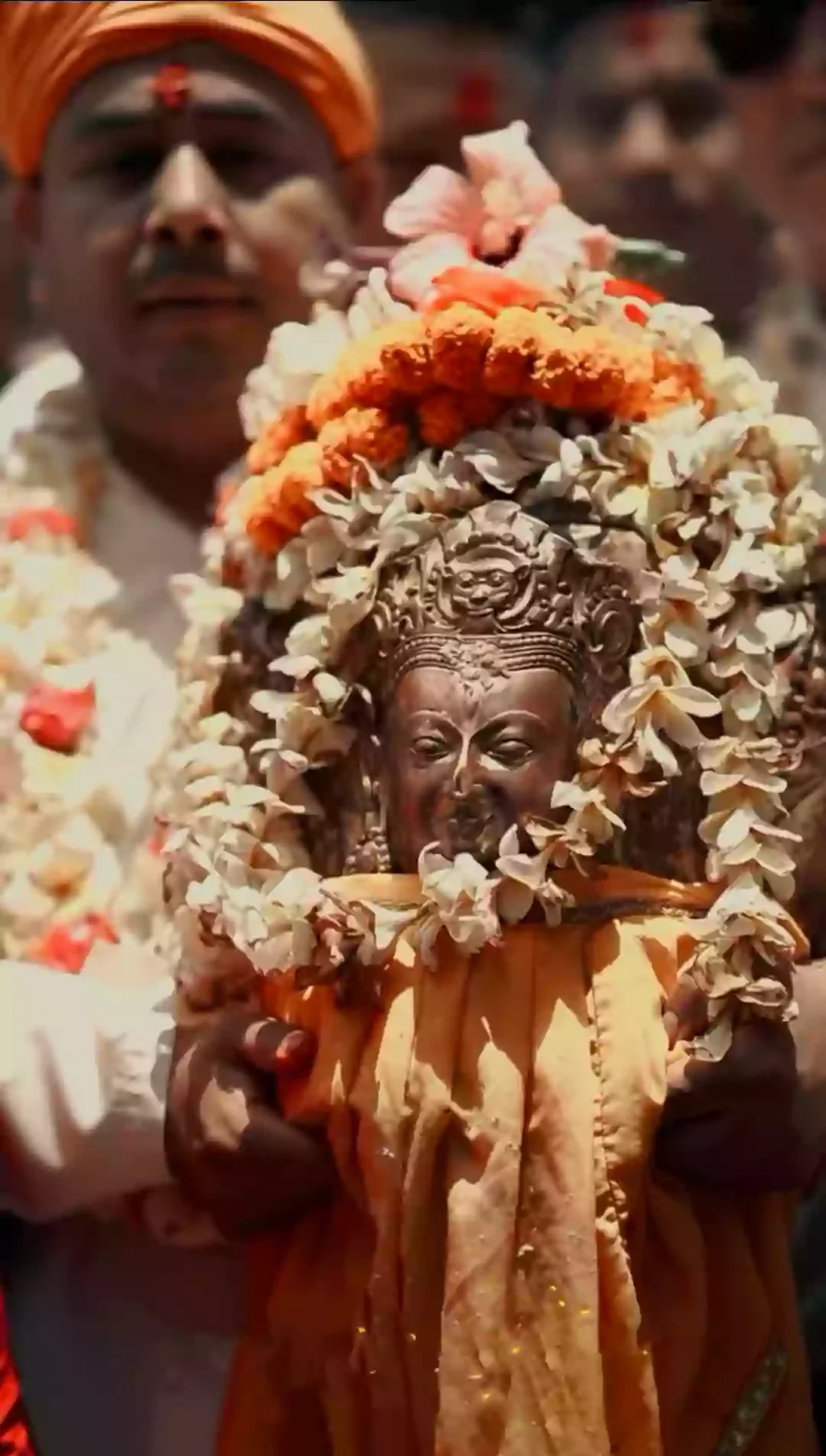
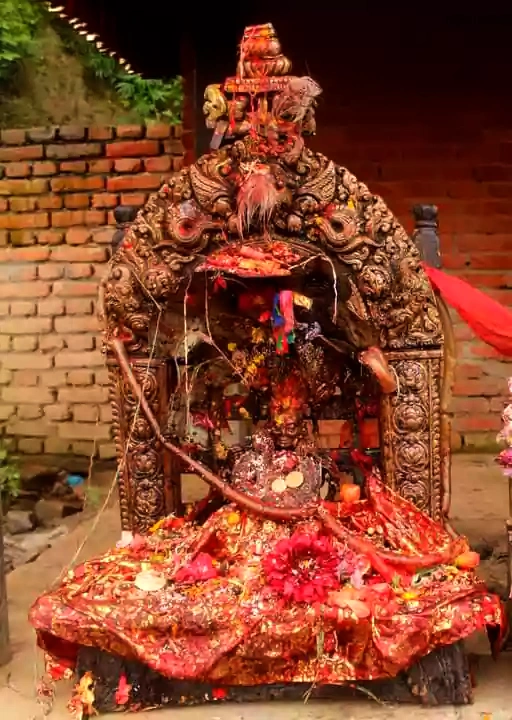
On the fourth day, Duin Cha Nyaya Kegu, Goddesses Brahmayani and Bhadrakali are brings to Brahmayani temple located at Tribeni Ghat from their respective Dyo Chhe. While bringing goddess Brahmayani, a tantric priest (Achanju), a women and a porter will cross the flooded Punyamata river through modern bridge as symbolic represent of ritual honors the exact moment Basuki Nag arrived to rescue the priest team for delivering secret offerings to Goddess Brahmayani.
Mu-jatra: Rituals, Sacred Preparations, and the Vibrant Palanquin of Lord Ganesh
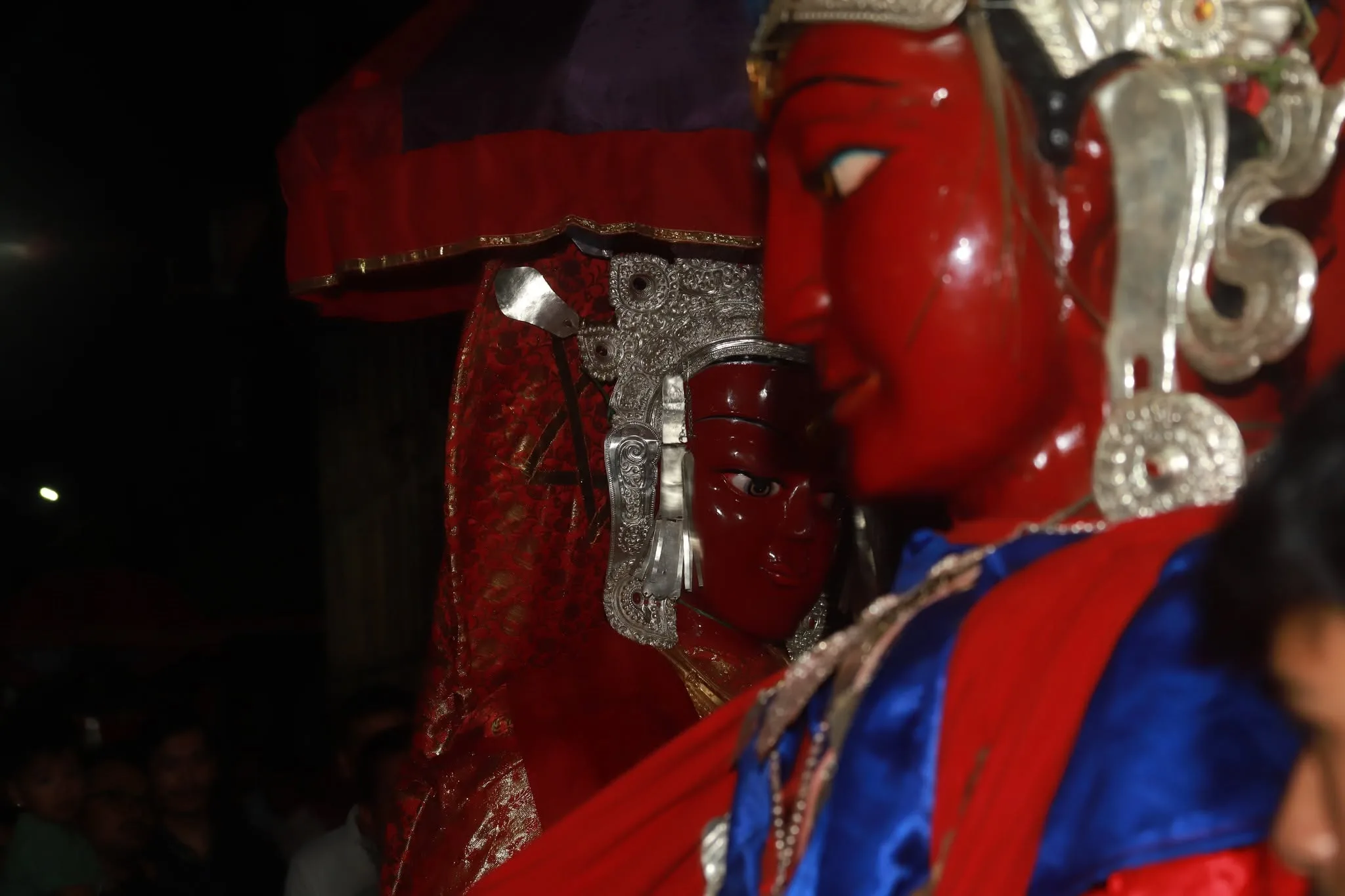
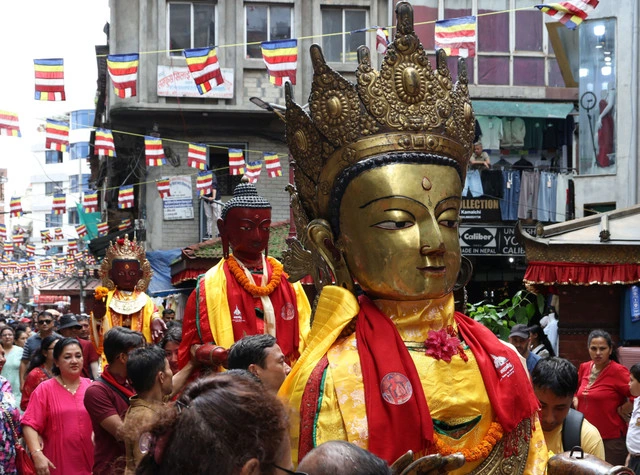
On the fifth day, Mu-jatra, on this day devotees from town visits to temples for worshiping god and goddesses and also animal sacrifices are made to Brahmayani and Bhadrakali. Bhadrakali's chariot is repositioned from the Punyamati riverbank toward Gainepati in preparation for the full moon procession. Also, the jatra of lord Ganesh is celebrate as key highlight and opening of the traditional festival. Palanquin of Lord Ganesh is carried through town with vibrant music of Dhime and Bhusiya.
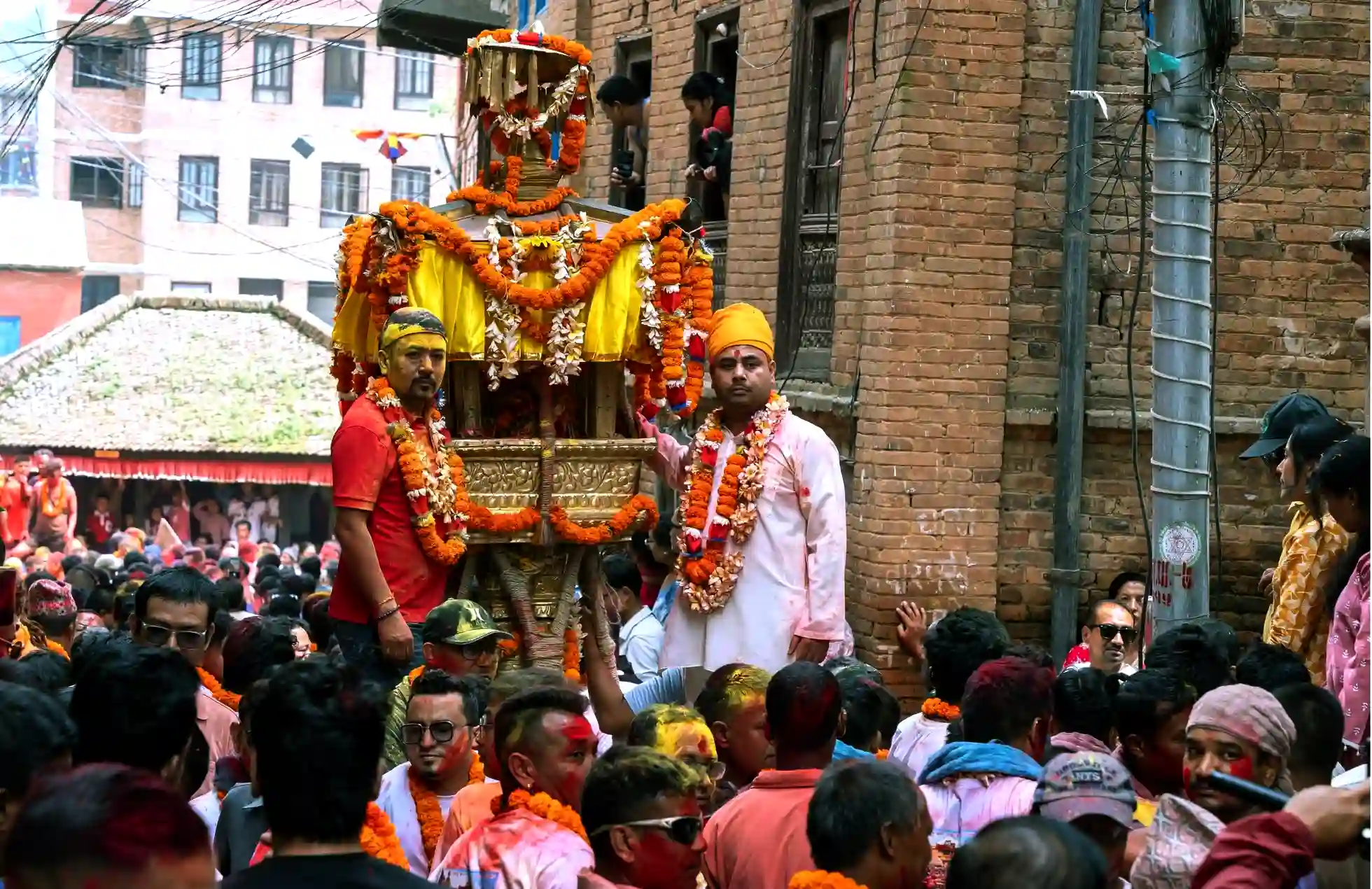
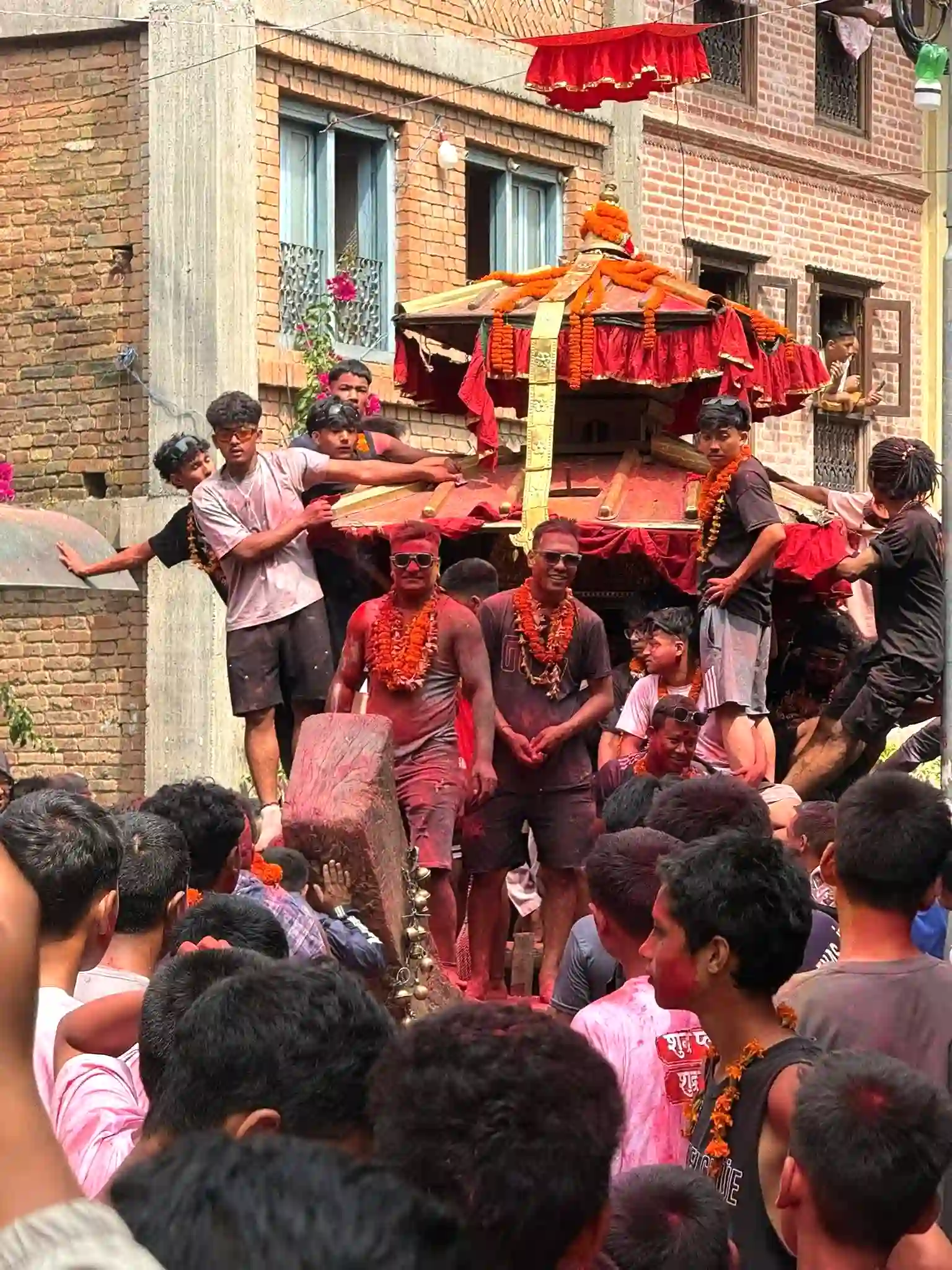
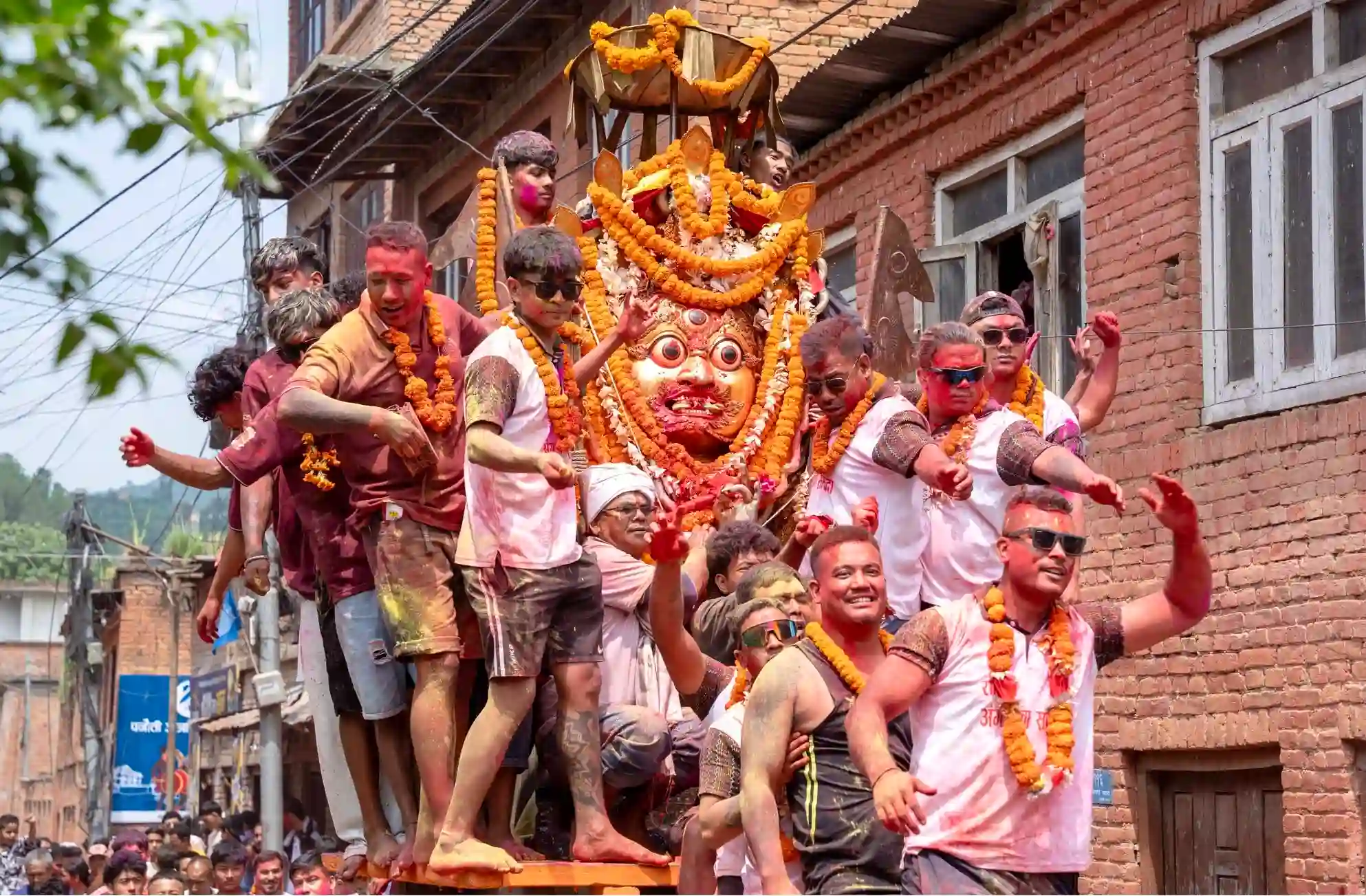
On Jya Punhi, the full moon day, the main chariot collision takes place at Layaku Darbar.
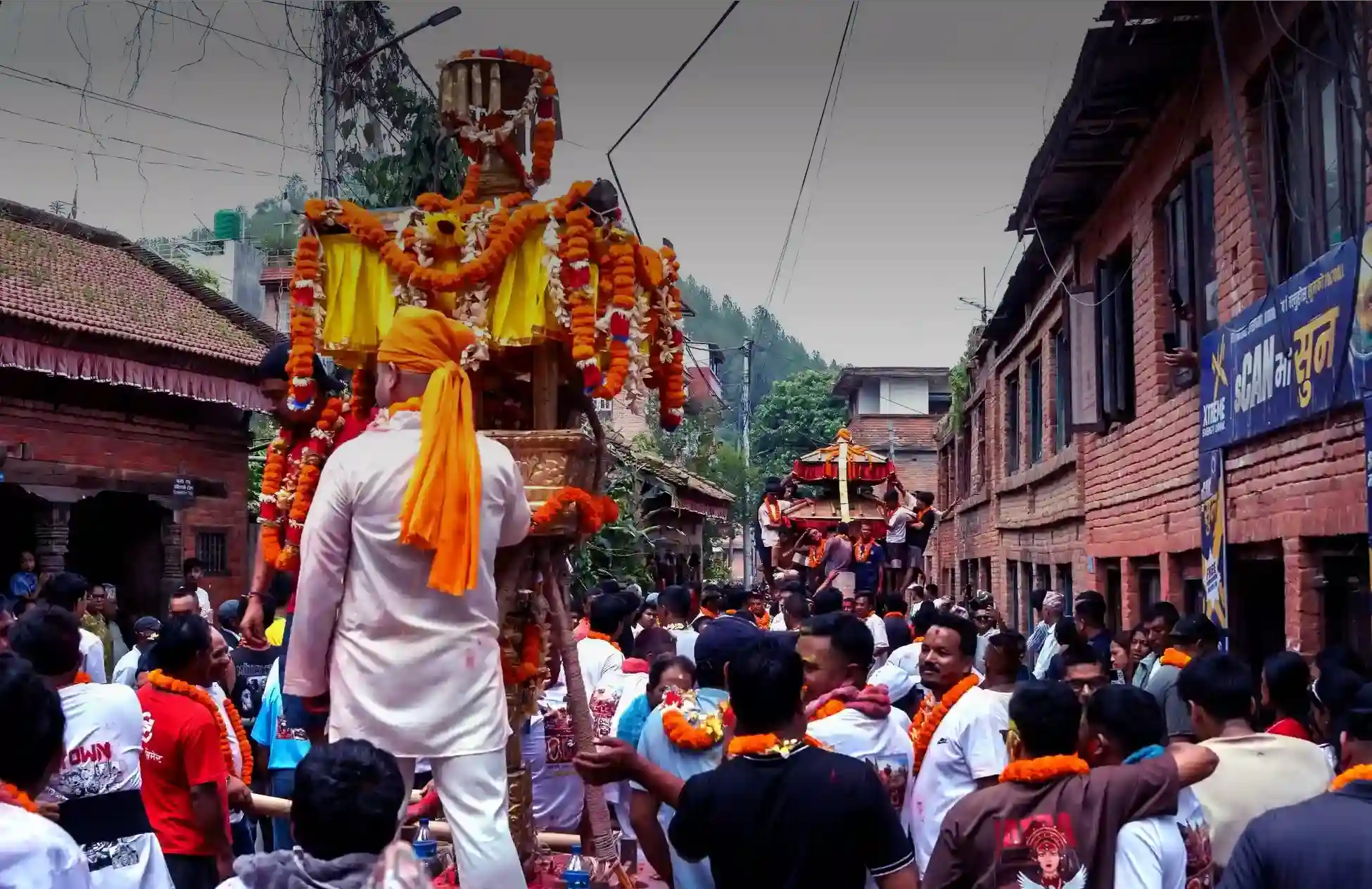
Bhadrakali's chariot is pulled through the town on the same route Brahmayani traveled; Unmatta Bhairav's chariot catches her at Police Pati on the eastern edge of the main square and strikes her chariot three times from behind. Indreshwor Mahadev's palanquin, carried by the Prajapati caste, then collides with Bhadrakali's chariot three further times, enacting a second divine union.
9 days
Full ritual duration from Sithi Nakha to deity return
3 times
Chariot collisions per divine pair on Jya Punhi
1294 CE
Construction start of Indreshwor Mahadev temple
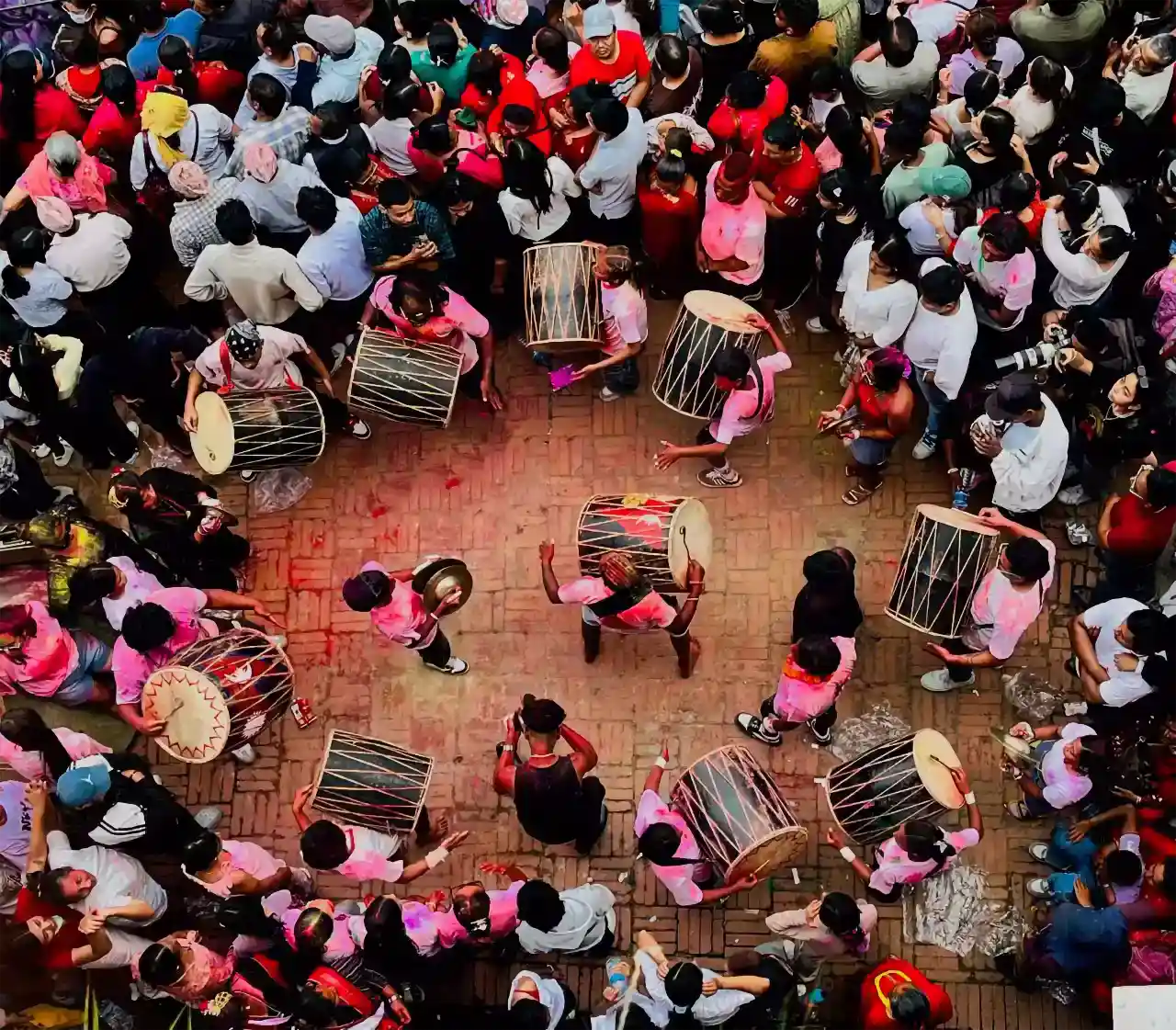
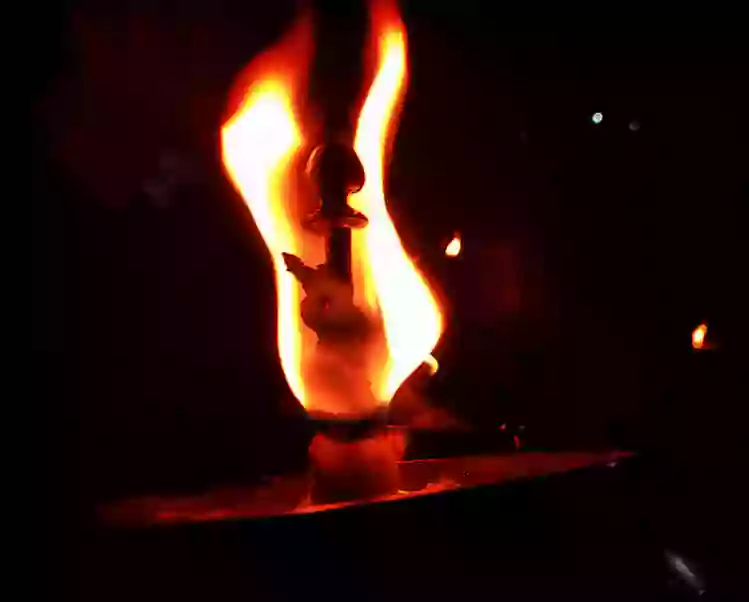
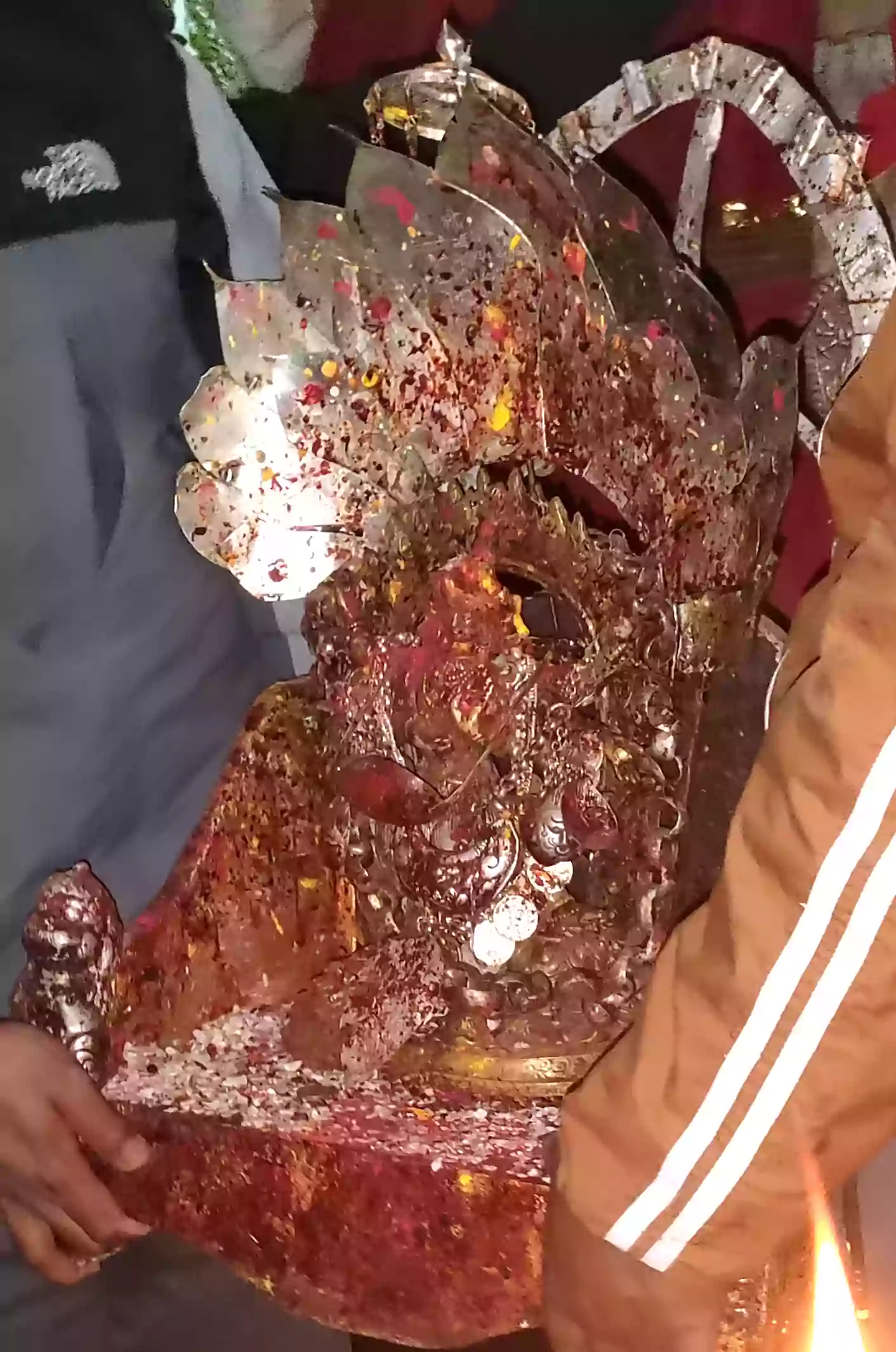
The chariot collision at Layaku Darbar is a public enactment of a Tantric fertility myth, not a symbolic gesture.
The Dual Purpose of the Jatra: Fertility and Protection.
The dual function of the jatra as fertility rite and protective prayer has been continuous from the Malla period through the present day, though the collisions formerly concluded before dawn when the rite was considered unsuitable for public viewing.