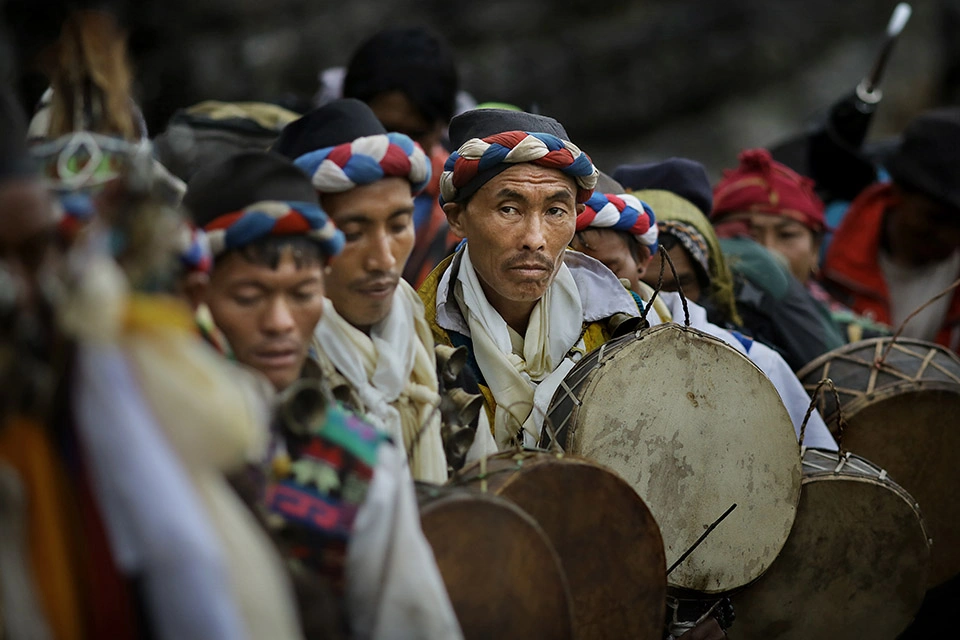
Silu Tirtha
Festival
Author
Kapil Sainju
Published
15 Sep, 2026
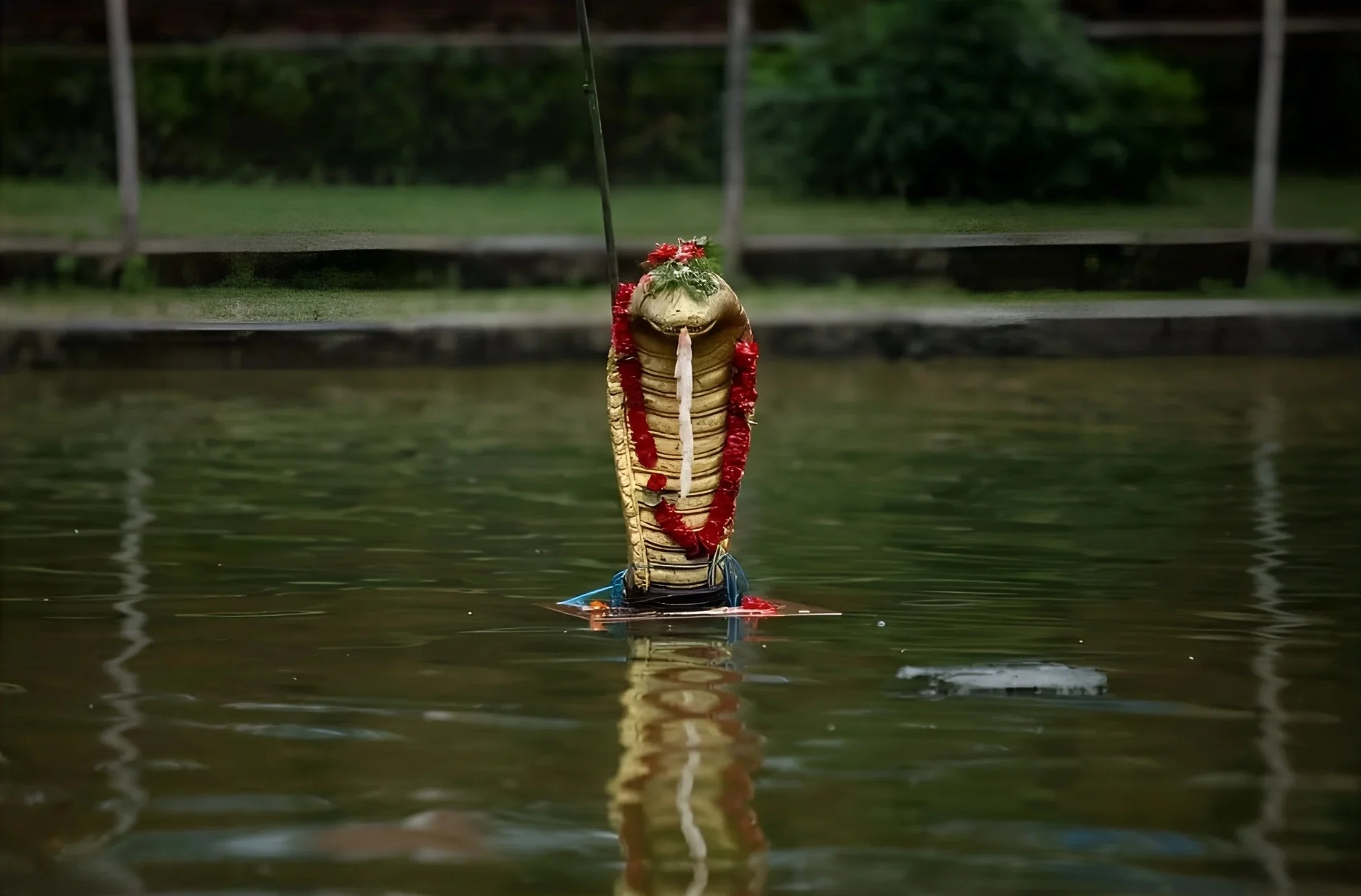
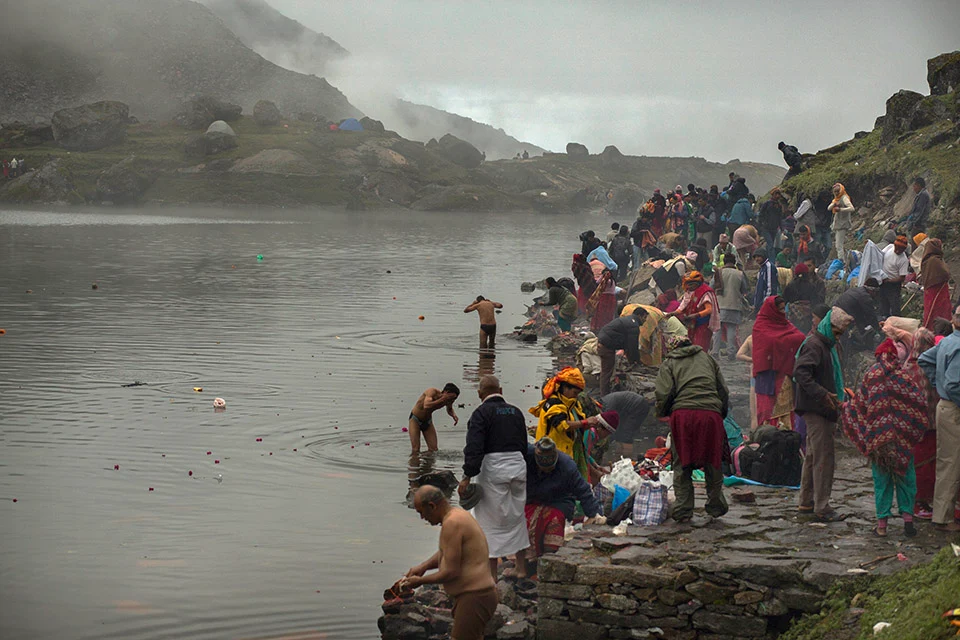
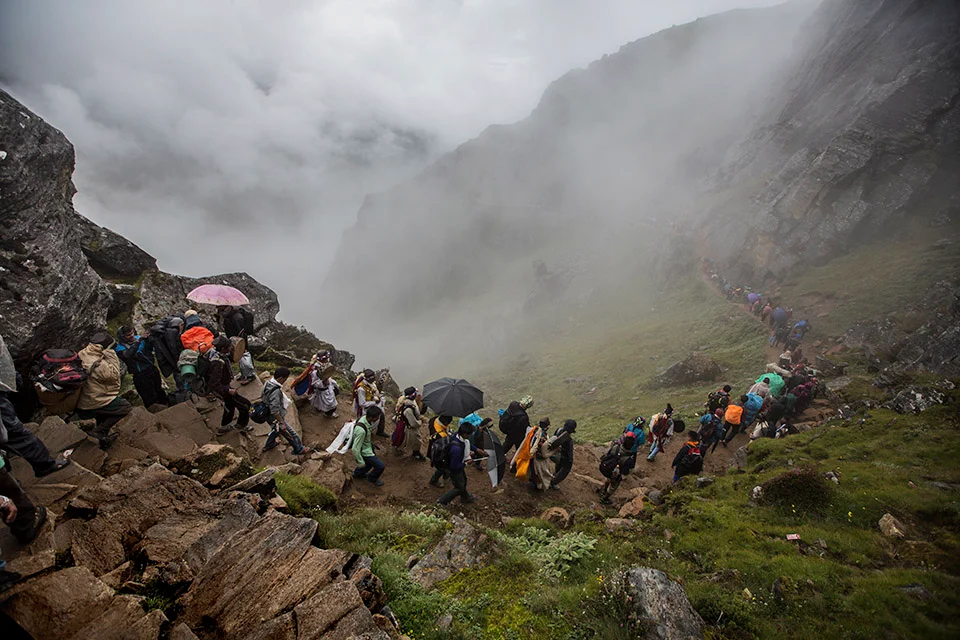
Newa pilgrims bathe at Gosaikunda, Silu Tirtha, each Janai Purnima full moon.
The scope covers the Malla era ballad tradition, the mythological Satya Yuga origin story tied to Samudra Manthan, and the present day Janai Purnima festival, which still draws pilgrims from the Kathmandu valley to Rasuwa district. The subject belongs to Nepal Mandal, the historic Newa homeland, and to the wider Newa community across Kathmandu, Patan, and Bhaktapur.
Silu is the Newa name for the sacred lake Gosaikunda.
Gosaikunda sits at 4,380 meters in Rasuwa district, in Langtang National Park, about 140 kilometers north of Kathmandu. Newa have called this lake Silu for generations, and the pilgrimage to reach it, Silu Wanegu, is one of Newa society's oldest sustained ritual journeys.
Hindu tradition places Silu's origin in the Samudra Manthan myth of the Satya Yuga.
Puranic accounts describe gods and demons churning the cosmic ocean for amrita, the elixir of immortality. Shiva then swallowed the poison that surfaced, an act Newa link to the high lakes of the Himalaya, including Silu. Sources disagree on when the ballad Silu was composed, ranging from the early Malla period to the nineteenth century.
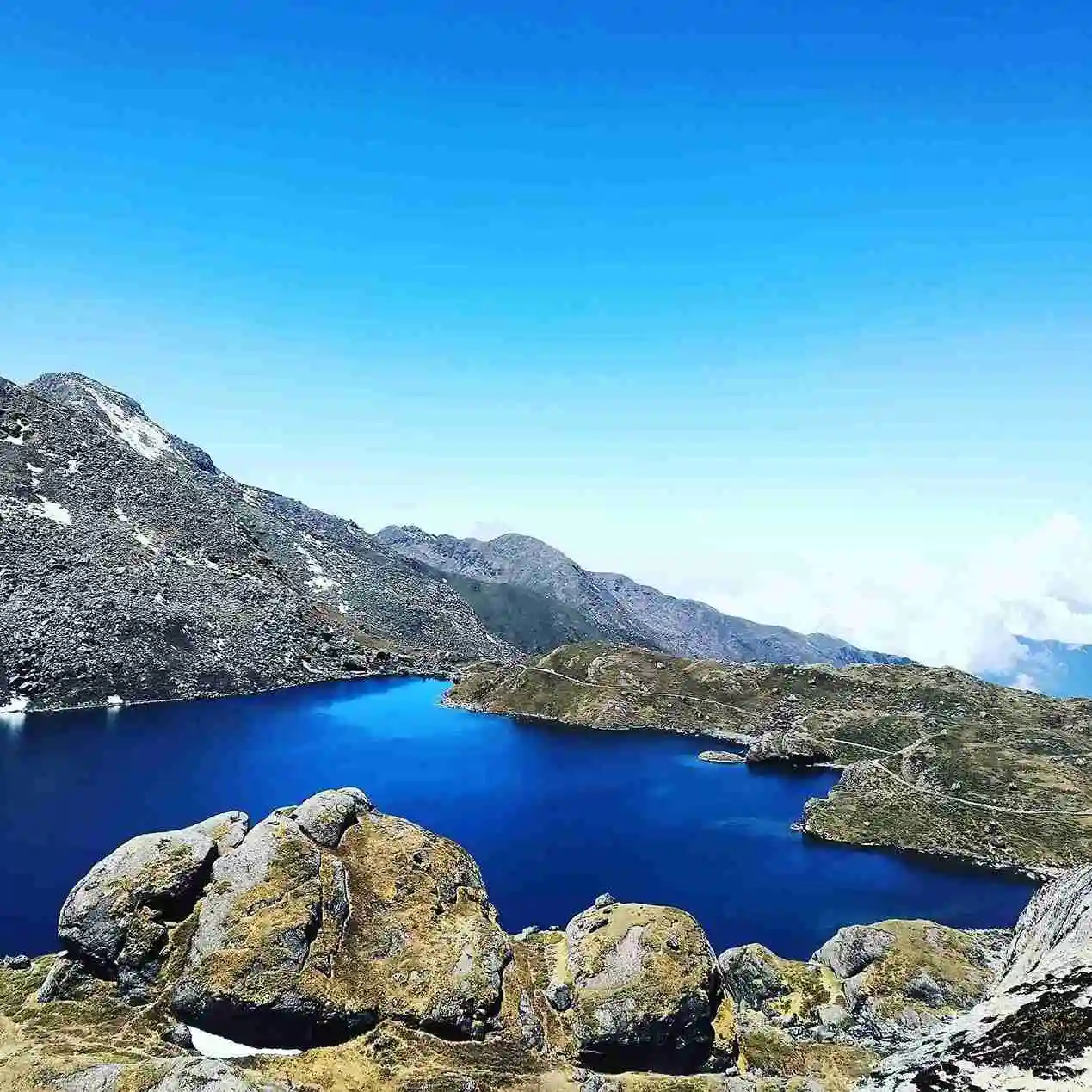
The traditional route to Silu begins on foot from Kathmandu.
Pilgrims once walked from Kathmandu through Sundarijal and Helambu before descending to Dhunche, then climbing past Sing Gompa at 3,330 meters. The final ascent crosses Laurebina Pass at 4,610 meters before reaching the lake.
The modern route uses road access to Dhunche before trekking.
Today most pilgrims drive from Kathmandu to Dhunche, a seven to eight hour trip on the Trisuli road, then trek the remaining distance on foot. Local buses also run from Machhapokhari through Galchi and Trisuli during festival season.
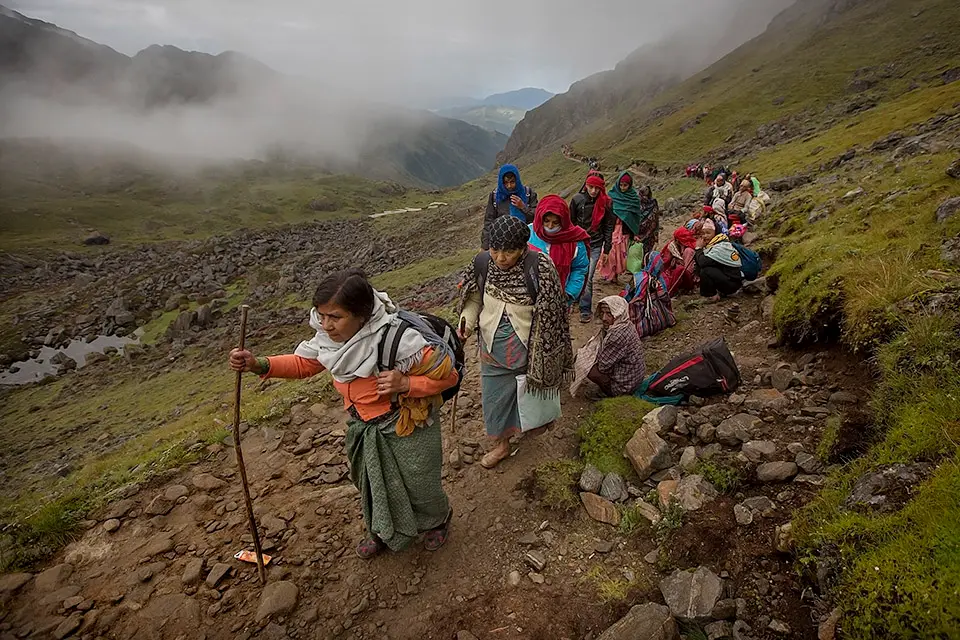
Newa tradition holds that a husband and wife must not travel to Silu together.
Silu Wanegu continues each Janai Purnima full moon in Shrawan.
Newa and non-Newa pilgrims still gather at Gosaikunda to bathe on the full moon, alongside Hindu devotees marking Janai Purnima and shamans performing all night rituals. The ballad and the taboo on couples traveling together are still recounted as Newa heritage today.