Nepal Sambat
History
Author
Kapil Sainju
Published
07 Nov, 2026
Nepal Sambat is conventionally dated to 20 October 879 CE, during the reign of Raghavadeva in the Kathmandu Valley.
The origins of Nepal Sambat are also associated with Sankhadhar Sakhwa, who is traditionally credited with freeing the people of Nepal Mandala from debt. Although this story occupies an important place in cultural memory, historians distinguish the traditional account from surviving documentary evidence concerning the establishment of the era.
This article examines the historical origins of Nepal Sambat, its calendar system, early manuscript evidence, changes in official recognition, and its significance in Newar society and contemporary Nepal.
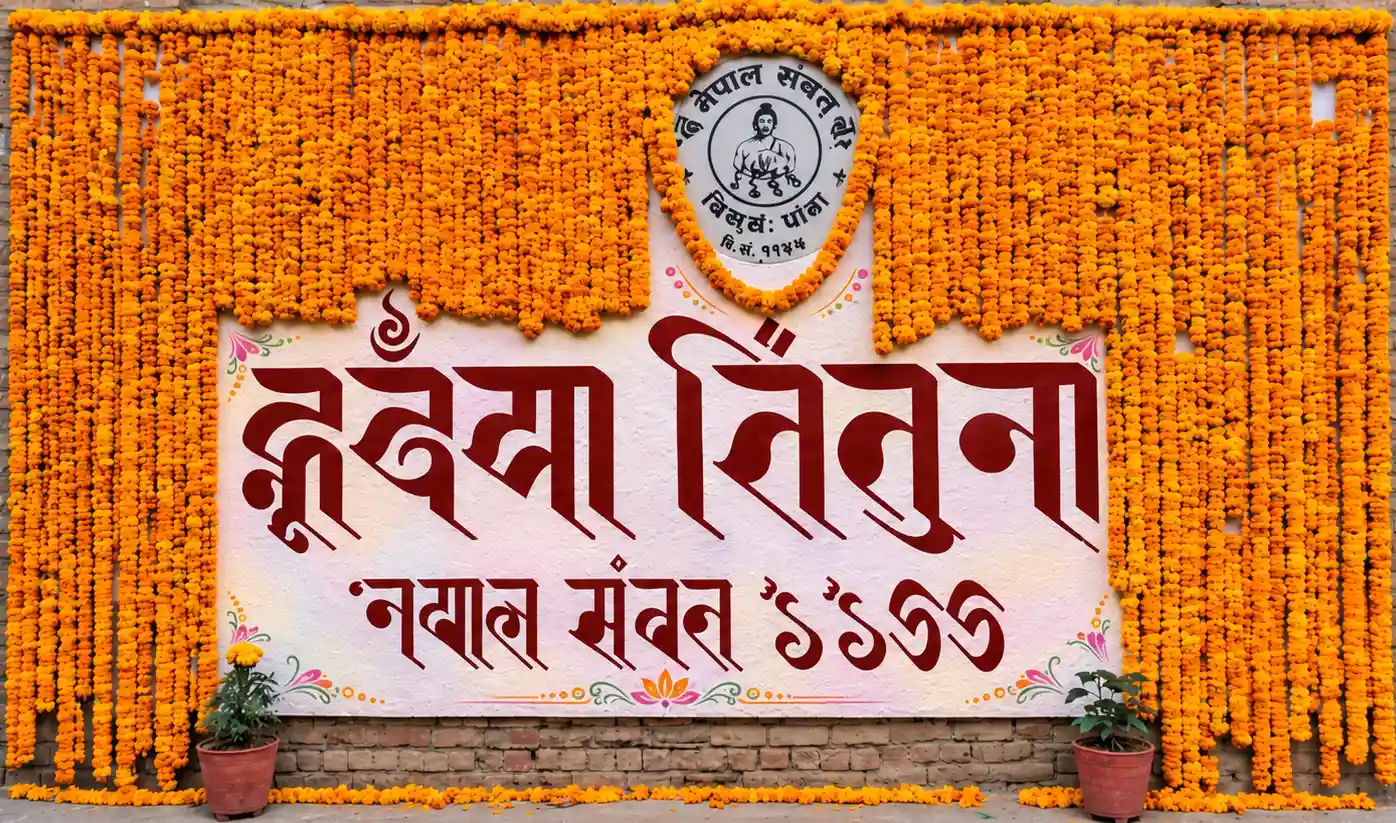
Nepal Sambat is the Newa calendar era counted from 879 CE.
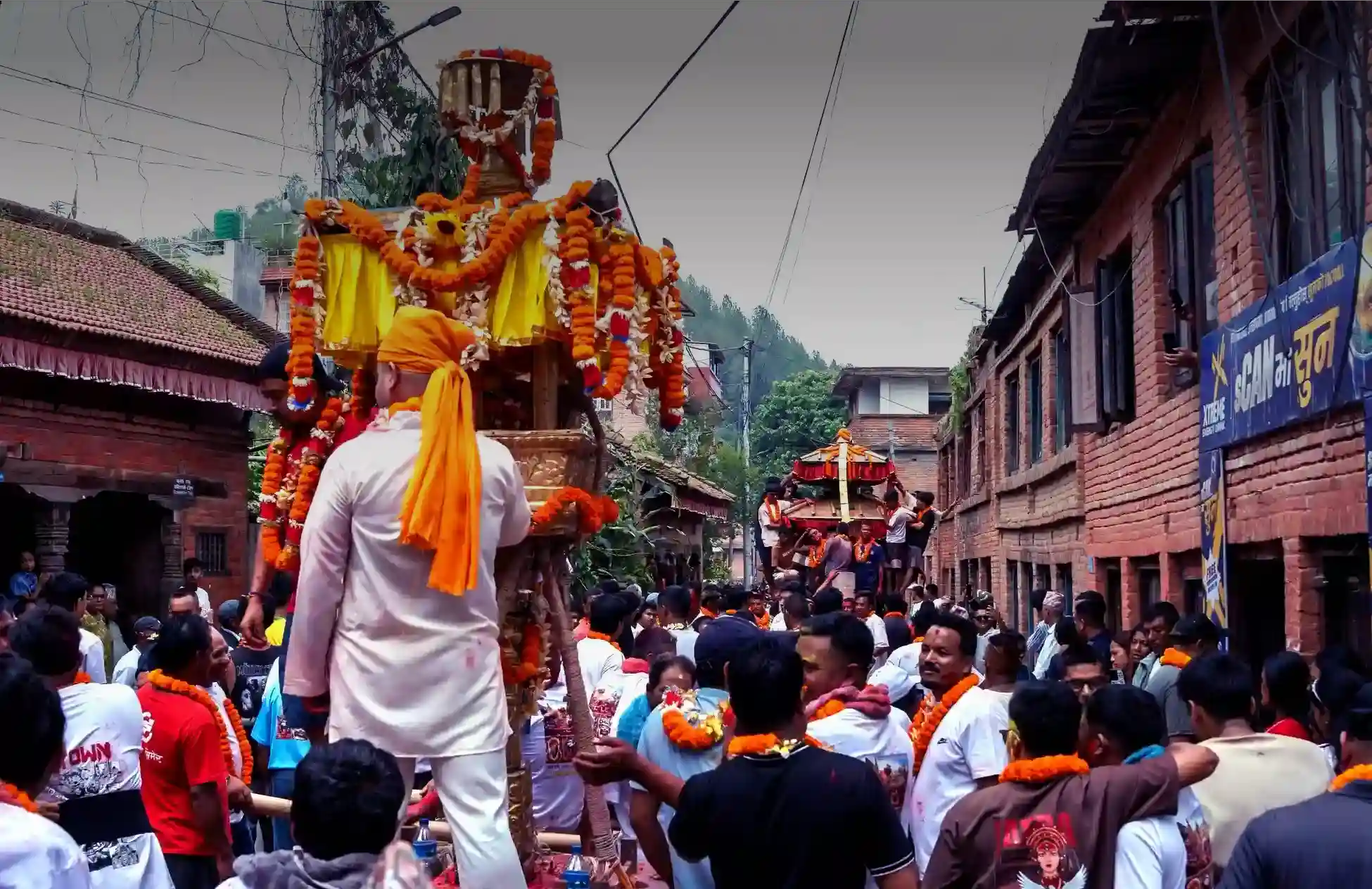
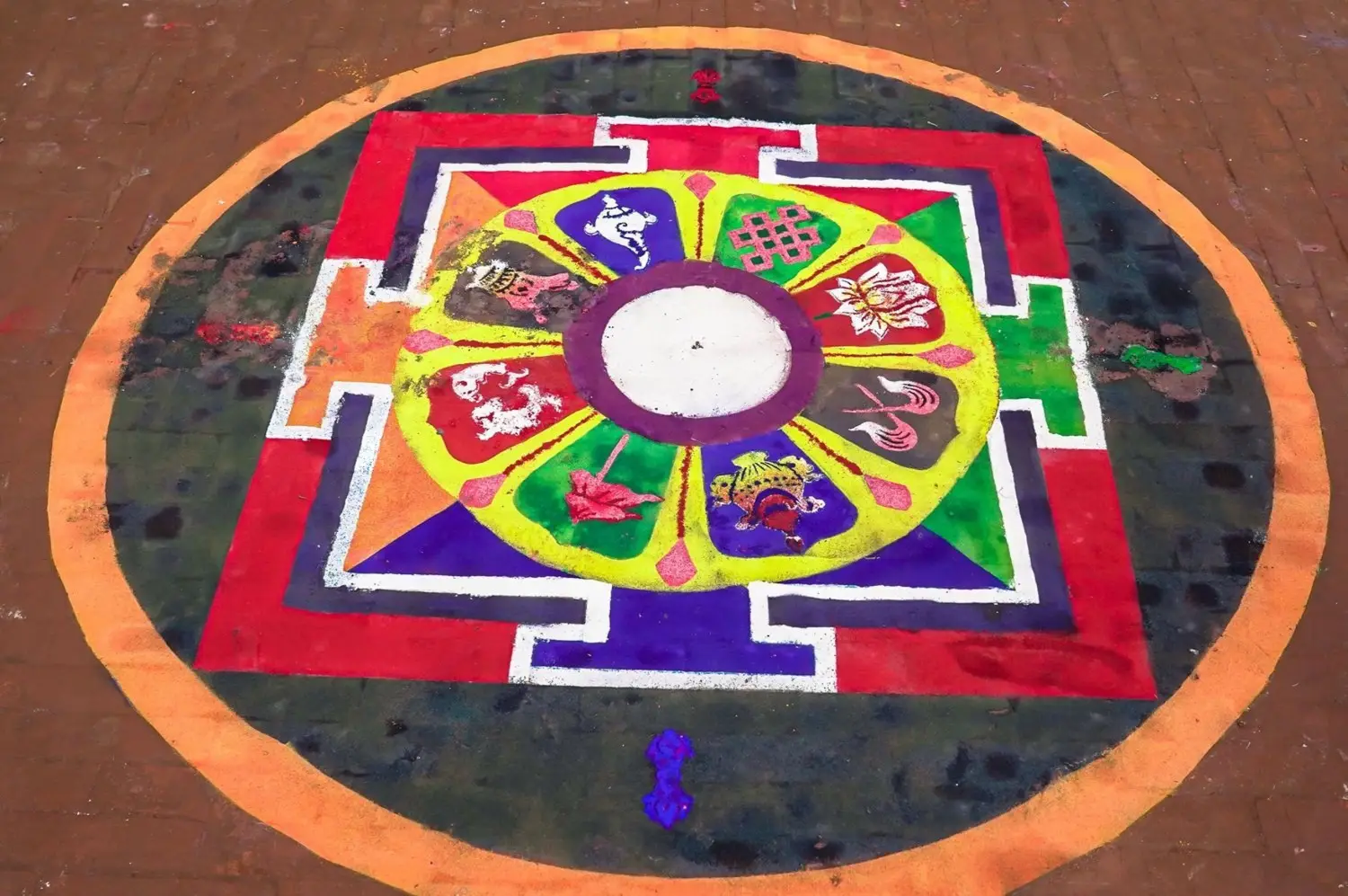
Nepal Sambat provided a system for dating historical documents, commercial records and religious observances in Nepal Mandala. Its lunisolar calendar begins with Kachhala, the first month, and follows lunar cycles while adjusting to the solar year. Festivals such as Indra Jatra form part of the wider religious calendar of Newar society.
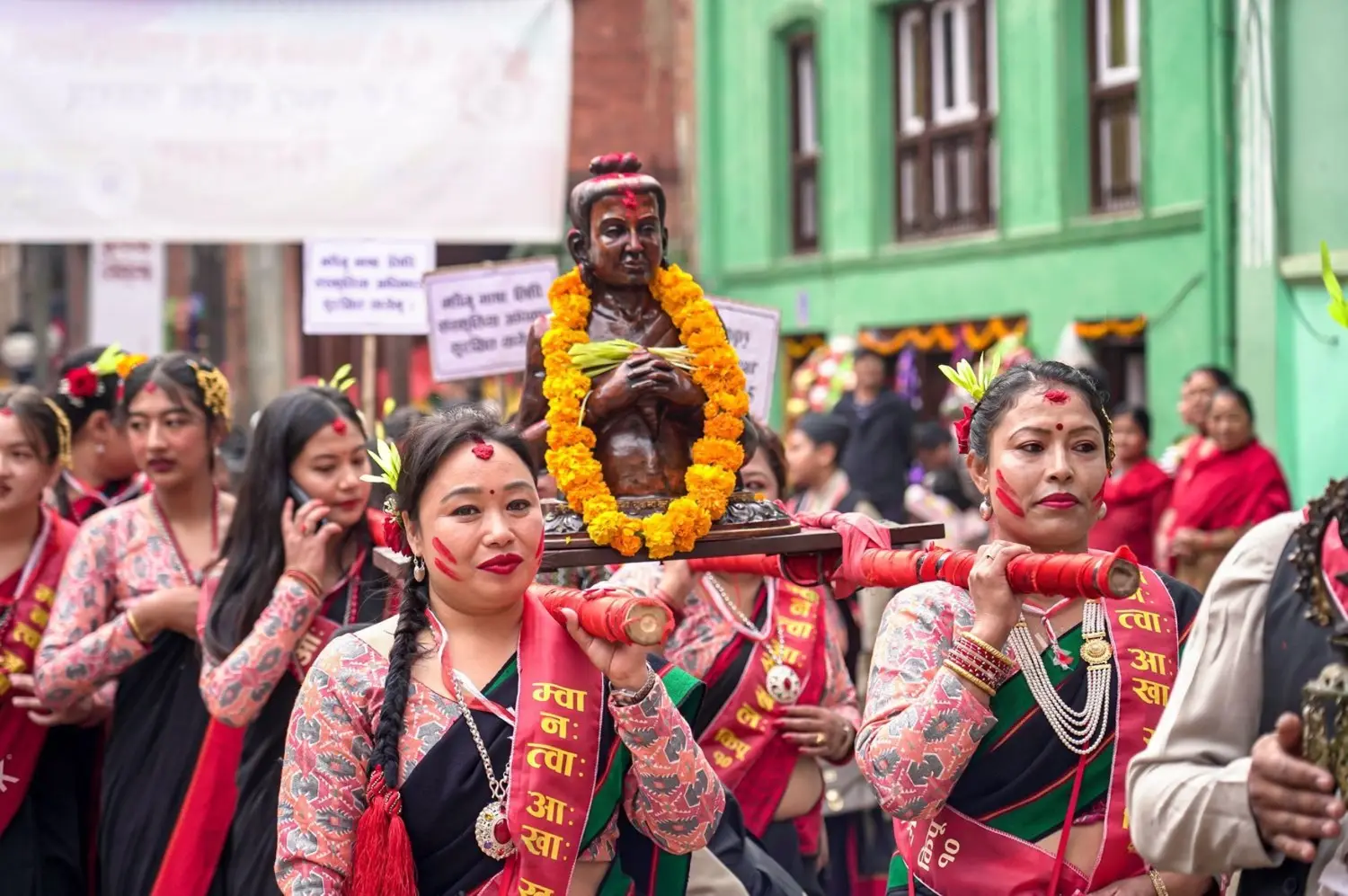
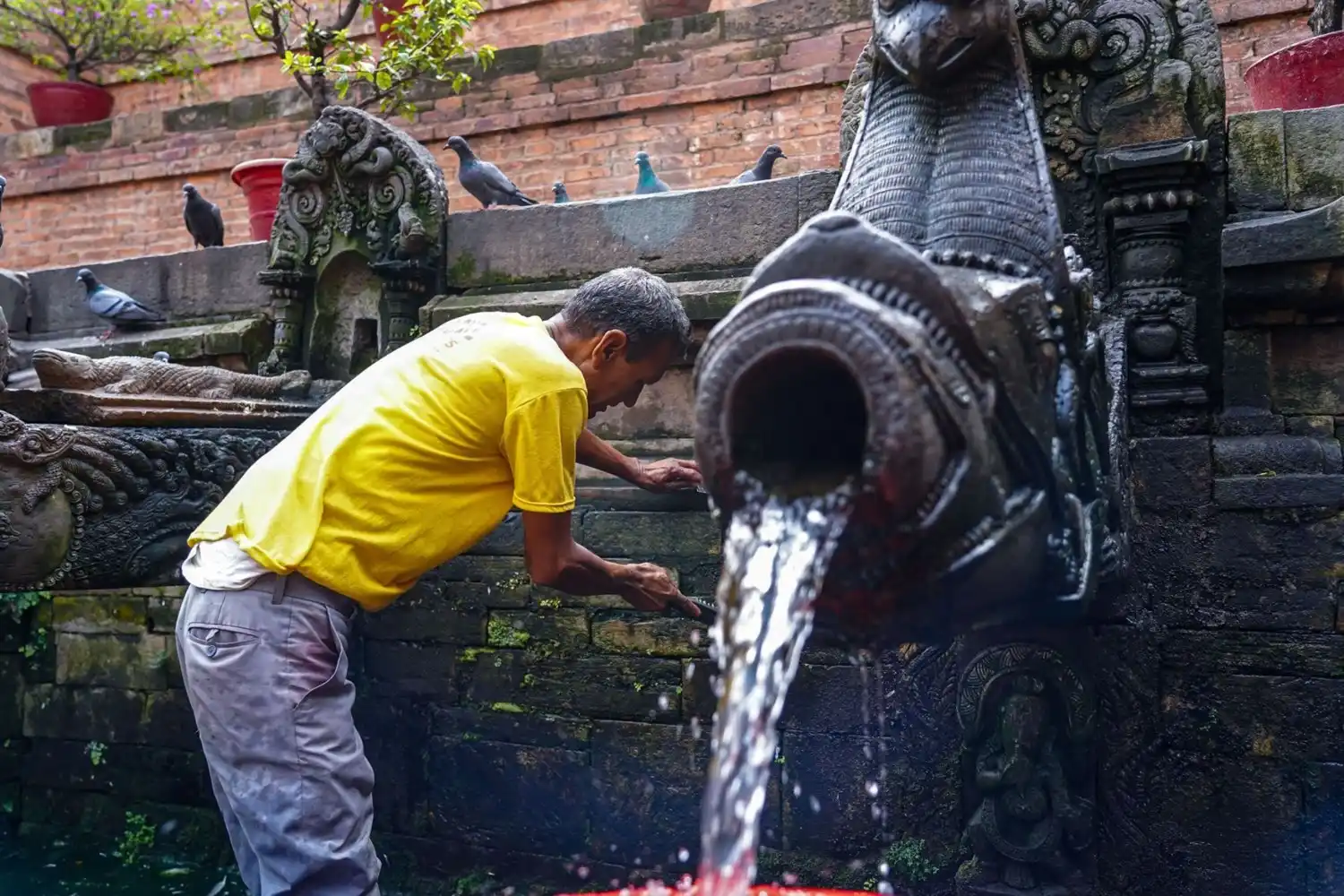
Newar tradition associates Sankhadhar Sakhwa with Nepal Sambat's origins.
Newar tradition credits Sankhadhar Sakhwa with turning sand into gold and freeing people from debt. The story remains culturally significant, but surviving historical evidence does not establish it as the cause of the era's foundation.
The calendar follows the moon and adds a month when needed.
Manuscripts and inscriptions carried the era through the medieval period.
148 NS
First Nepal era naming
A manuscript dated NS 148 (approximately 1028 CE) uses the designation Nepala-vatsara, providing early evidence of the era's association with the name Nepal.
766 NS
Early Sakhwa-era reference
A manuscript colophon dated NS 766 (approximately 1645 CE) uses the designation Shaknudutta Samvat. Scholars differ on its relationship to the later Sankhadhar Sakhwa tradition.
Calendar Reforms and Modern Recognition
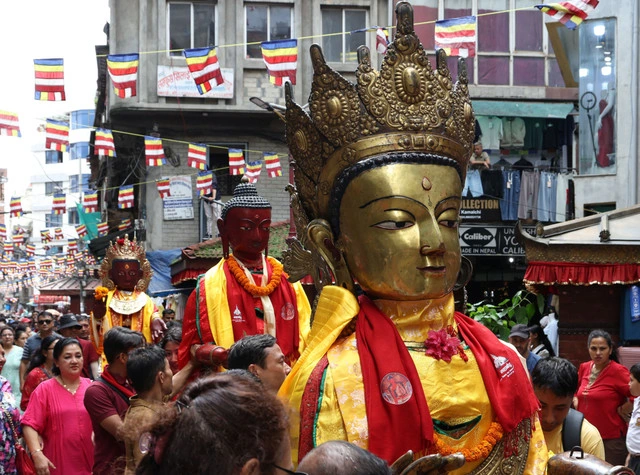
During the early twentieth century, reforms under Prime Minister Chandra Shumsher Rana strengthened the administrative use of Vikram Sambat. Nepal Sambat nevertheless continued in manuscripts, religious observances and Newar community traditions. Buddhist observances such as Gunla Parba reflect the continuing importance of the traditional religious calendar. The government recognised Sankhadhar Sakhwa as a national luminary on 18 November 1999. On 23 October 2008, Nepal Sambat received national recognition through a government decision.
Newa communities preserved Nepal Sambat through religious and cultural practices.
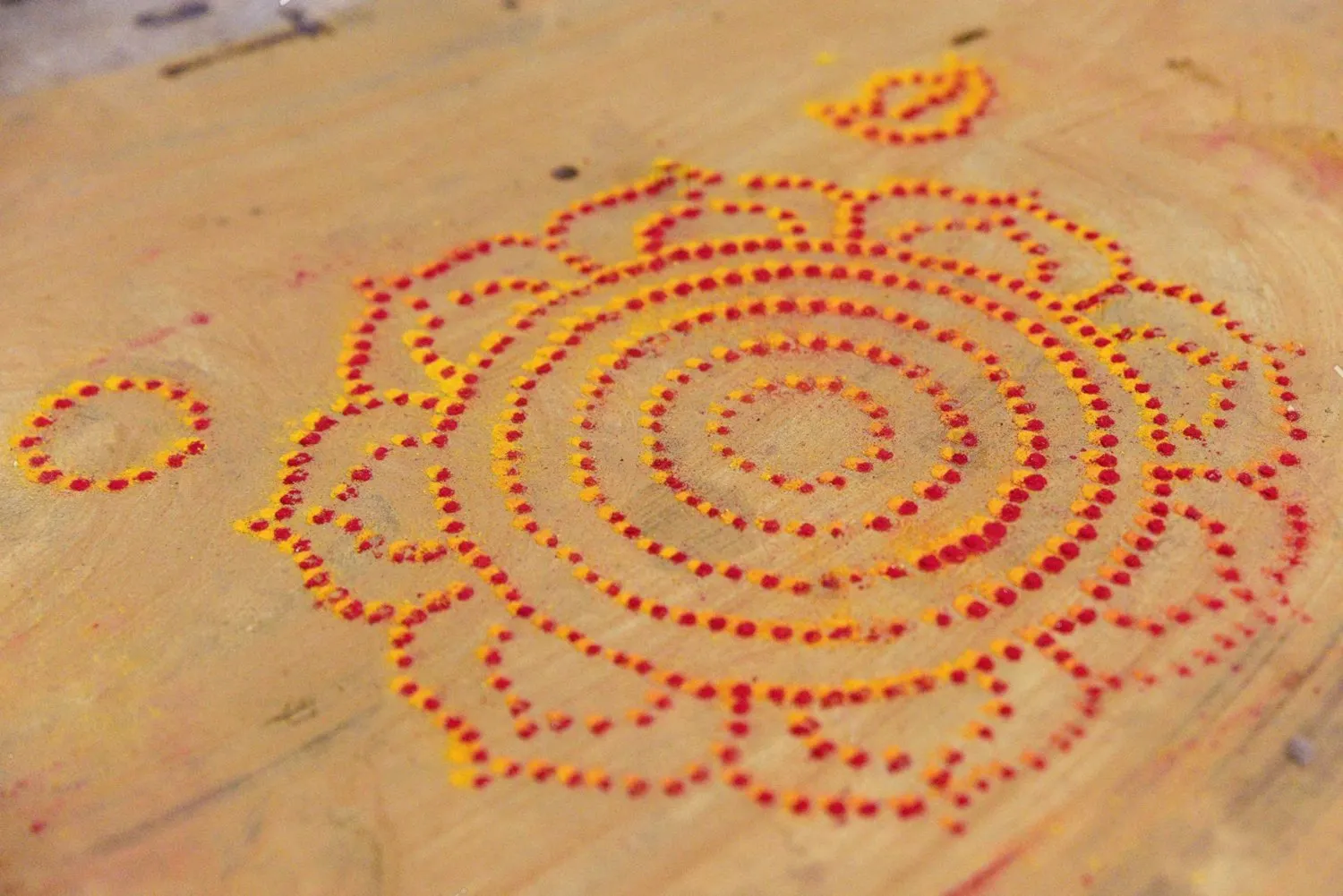
Mha Puja still opens the New year each autumn.
Mha Puja, the worship of the self, marks the beginning of the New year and is observed during Tihar. The ritual emphasizes self-purification, renewal, and well-being, reflecting the spiritual and cultural traditions of Newa society.
Nepal Sambat has remained part of Nepal's historical record since 879 CE through manuscripts, inscriptions, and religious documents. Newar communities have maintained its significance through religious observances and traditional calendar practices, including household festivals such as Chatha. Its continued use connects historical chronology with cultural identity and continuity across generations.